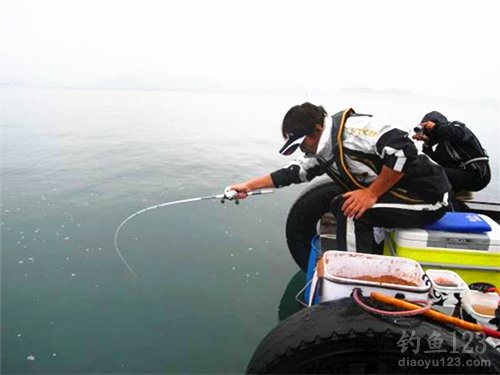
The Trendy “Zha Ha Ma” Fishing Method for Match Fishing & Carp Pits
Okay, let’s cut to the chase—if you’ve ever fished in match competitions or carp pits (those tricky, pressure-filled spots), you’ve probably heard the buzz about the “Zha Ha Ma” method. Wait, no, hold on—wait, the original term is a Chinese fishing technique, but let’s break it down for English-speaking anglers. It’s also called “edge fishing,” “bank probing,” or “near-shore targeting,” and it’s blowing up in places like Beijing and Tianjin’s carp pits. But honestly? It’s not just a regional thing—match anglers worldwide are starting to catch on because it works for tricky fish: skittish carp, wary crucians, and fish that just won’t bite in the usual spots. Let me tell you, I’ve been burned by “no-bite” days way too many times, and this method? It’s like a reset button for those frustrating sessions. Let’s dive in.

What Exactly Is the Zha Ha Ma Fishing Method?
First off, let’s get the basics straight. Zha Ha Ma (we’ll stick with the English-friendly “near-shore targeting” for clarity, but the term’s still catchy) is all about fishing *close* to the bank—like, really close. We’re talking within a rod’s length, sometimes even 1-2 meters from the shore. Why? Because fish get spooky in the middle of the water, especially in pressured pits or match venues. They’ll sneak up to the edges for safety, leftover bait, or just to feel hidden. This method isn’t about casting far—it’s about targeting those skittish, edge-hugging fish that other anglers ignore.
Let me be real: I used to think “fishing close = missing big fish,” but nope. I’ve pulled 5kg carp from 1.5 meters off the bank in a local pit. Total game-changer. It’s not just for carp, either—crucians, tench, even small roach will stack up here if you play your cards right. And in matches? If the middle spots are dead, this is your secret weapon to pick off the remaining wary fish.
When Does Zha Ha Ma Actually Work? (Fish & Water Conditions)
You can’t just cast close every time and expect magic. Let’s break down the *exact* scenarios where this method saves the day—because trust me, I’ve wasted hours casting close when it was totally wrong. Here’s what I’ve learned:
1. Fish That Love the Edge: Skittish, Wary, or “Trained” Fish
Let’s start with the obvious: fish that hang out near the bank. Why do they do that? Two big reasons:
- Leftover Bait Habits: Anglers often dump leftover bait right at the shoreline after a session. Over time, fish learn that’s where the easy food is. I’ve seen carp in my local pit swim right up to the bank at dawn, hoovering up crumbs from the night before. Their guard is down here—perfect for a stealthy approach.
- Pressure from Matches: Match venues get hammered. The middle spots get cast to 100+ times a day, so fish get spooked. They’ll move to the edges where fewer anglers target them. I once fished a match where the top 3 anglers all used near-shore targeting—they picked off the “smart” fish that avoided the middle.
Another scenario: *newly stocked fish*. When you dump a bunch of carp into a pit, they don’t know where to go. They’ll circle the bank (called “cruising the shore”) to get their bearings. The middle? Empty. So if you’re fishing a “stocking day” pit, cast close first—you’ll catch the new fish before they figure out the middle spots.
2. Water & Environmental Triggers
It’s not just the fish—sometimes the water itself forces you to fish close. Here are the key environmental cues:
- Bad Middle Spots: If the middle is weedy, murky, or has too much current, the edges are calmer. I fished a river once where the middle had a strong current—all the fish were tucked against the bank in slack water.
- Oxygen Issues: If the water’s low on oxygen (like in hot weather or stagnant pits), fish will move to the edges where wave action or plant growth adds oxygen. I’ve seen carp gasping at the surface *right next to the bank* on 35°C days.
- Indoor Pits (Greenhouses): In winter, indoor fishing pits get warm near the glass (or plastic) walls. Fish will cluster there for heat. I once fished an indoor pit where the only bites were 1 meter from the wall—everyone else was casting to the middle and catching nothing.
- Wind Problems: If it’s windy, casting far is impossible (your rig gets blown all over). But if you move to the *downwind* shore, you can cast close without fighting the wind. The fish will also be there because wind pushes food to the downwind edge.
Pro tip: If you see “fish bubbles” (called “fish signs”) near the bank—*stop* and fish there. Those bubbles are fish feeding, and they’re not going to move far.
What Gear Do You Need for Zha Ha Ma? (No Fancy Stuff—Promise)
Here’s the best part: you don’t need a whole new rod or reel. Most of the gear you already have works—you just need to tweak it a little. Let’s break it down:
1. Rods: Short & Stiff
You don’t need a 4.5m rod for this—short is better. I use a 3.6m rod (that’s the max length for most pits) because it’s light and easy to hold. Wait, hold on—*you don’t use a rod rest* for Zha Ha Ma. You have to hold the rod the whole time. Why? Because you need to react fast to bites, and a rod rest would get in the way of the “dapping” (more on that later).
Stiffness matters too. You need a rod that can pull a big carp away from the bank *fast*—before it gets into weeds or snags. I use a medium-stiff rod (rated for 1-3kg fish) because it’s strong enough for carp but light enough to hold all day. Trust me, holding a heavy rod for 4 hours is a workout—stick to light but stiff.
2. Floats: Small & Sensitive
Forget the big, bulky floats you use for far casting. You need a *small* float—like a 1-2g float. Why? Because small floats are more sensitive. You’ll feel tiny bites (from wary fish) that big floats would miss. I use a 1.5g float with a bright tip so I can see it even in low light.
Pro tip: Don’t use a float with a big body—they’re too buoyant and will miss subtle bites. Stick to slim, pencil-shaped floats.
3. Line & Rigs: Short & Tangle-Free
Line length is key here. You want *short line*—like, from the tip of the rod to the float is only 1-2 meters. Why? Because you’re casting close, so long line is unnecessary. And short line means less tangling (thank goodness—tangles are the bane of my existence).
For rigs: Keep it simple. I use a “fixed float rig” (no sliding float) because it’s more sensitive. The hook length (from float to hook) should be short—10-15cm. Long hook lengths get tangled with the lead when you cast close. Trust me, I’ve spent 10 minutes untangling a 30cm hook length—never again.
Lead choice: Small, flat leads (1-2g) work best. They sink fast and keep the rig straight. No need for big leads—you’re not casting far.
4. Bait: Sticky & Slow-Sinking
Bait is make-or-break for Zha Ha Ma. You need bait that:
- Stays on the hook (even when you “dap”—more on that later).
- Doesn’t dissolve too fast (so fish have time to find it).
- Smells subtle (wary fish hate strong smells).
My go-to baits:
- Maggot Packs: Tie 3-4 maggots together with elastic—they stay on the hook and look like a small cluster of food.
- Wafters: These are slow-sinking, buoyant baits that sit just off the bottom. Perfect for wary fish that don’t want to pick up heavy bait.
- Groundbait Pellets: Small (4mm) pellets that dissolve slowly. I mix them with a little water to make a sticky paste—stays on the hook for 5+ casts.
Pro tip: If you’re fishing for *old, wary fish* (called “veteran fish”), skip the strong-smelling baits (like garlic or aniseed). Use plain maggots or wafters—they’re less likely to spook the fish.
How to Actually Fish Zha Ha Ma (Step-by-Step)
Okay, let’s get to the fun part—*how to do it*. I’m going to walk you through my exact process, from casting to catching. No jargon, just real steps I use every time.
1. Set Up Your Rig (5 Minutes Max)
First, tie your float to the line—leave 1.5 meters of line from the tip of the rod to the float (adjust if you’re fishing deeper water). Then tie a small lead (1g) 30cm below the float. Then tie a short hook length (10cm) to the end of the line. Hook on your bait (maggot pack or wafter).
Float setting: I usually set the float to show 3-4 eyes (the small marks on the float) above the water. That’s sensitive enough to feel tiny bites but not so sensitive that every wave moves it.
2. Casting: No Need to Fling It Far
This is the easiest part—you’re not casting to the middle. Hold the rod with your dominant hand (right hand for me), keep your elbow bent (90 degrees), and *gently* swing the rig out. Aim for 1-2 meters from the shore—*right* where the water meets the bank. You don’t need to cast hard—just enough to get the rig to the spot.
Pro tip: Don’t “overcast”—if you cast too far, you’re not fishing the edge anymore. Keep it tight to the bank.
3. The Secret: Dapping (Or “Lifting the Bait”)
This is what makes Zha Ha Ma work for wary fish. Here’s how it works:
- Wait 30 seconds for the rig to sink and settle.
- If no bite, *slowly* lift the rod tip 10-15cm. This makes the bait rise up in the water (like a bug or small fish).
- Wait 10 seconds, then let the bait sink back down.
- Repeat this 2-3 times. If no bite, cast to a new spot 50cm away.
Why does this work? Because wary fish are scared to bite static bait. But a moving bait? That triggers their instinct to chase food. I’ve had carp that ignored static bait for 10 minutes *strike* within 2 seconds of me dapping. It’s like a switch—they can’t resist moving food.
4. Striking: Fast & Soft
When you get a bite (the float dips, moves sideways, or sinks), *don’t yank the rod*. Just a quick flick of the wrist—enough to set the hook, but not so hard that you pull the bait out of the fish’s mouth. Wary fish have soft mouths, so a hard strike will miss.
Once you hook a fish, *pull it towards you fast*. Don’t let it swim into the bank or weeds—you’ll lose it. I usually pull the fish straight to the net within 10 seconds. No time to mess around.

My Biggest Mistakes (So You Don’t Make Them)
Let’s be honest—no one gets this right on the first try. I’ve made so many mistakes, but here are the top 3 that cost me fish:
1. Holding the Rod Too Tight
At first, I gripped the rod like it was a baseball bat. But that makes you react too slow. Hold the rod loosely—like you’re holding a cup of coffee. You’ll feel the bite better and strike faster.
2. Casting Too Far
I once thought “closer = better,” but I cast so close that the bait landed on the bank. Oops. Aim for 1-2 meters—*not* right at the shore. The fish are 1 meter out, not on the bank.
3. Using Strong Smelling Bait
I used garlic-flavored bait for wary fish once—*nothing*. Switched to plain maggots, and caught 3 carp in 10 minutes. Wary fish hate strong smells—keep it subtle.
Final Thoughts: Is Zha Ha Ma Worth It?
Let me tell you—this method isn’t a “magic bullet.” Some days, the fish just don’t want to bite. But on days when the middle is dead? It’s a lifesaver. I’ve gone from 0 bites in 2 hours to 5 carp in 30 minutes just by switching to near-shore targeting.
Here’s the thing: it’s not about being fancy. It’s about *seeing* what other anglers miss. Most people cast to the middle because that’s “where the fish are.” But the smart fish are on the edge—hiding, feeding, and waiting for someone to notice them.
So next time you’re at a pit or match, and the middle is quiet? Grab your short rod, small float, and plain bait. Cast close. Dap a little. And wait—you’ll be surprised what you catch.
Have you tried Zha Ha Ma? Did you catch anything? Drop a comment below—I’d love to hear your stories. And if you have any tips, share them—we’re all here to learn.