


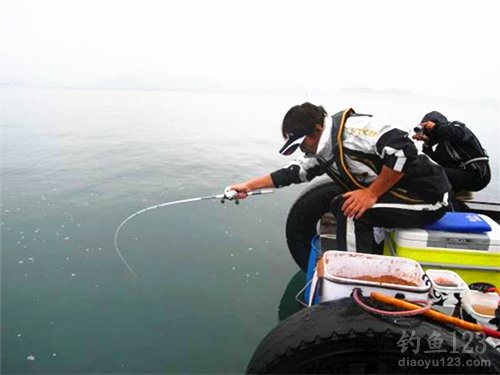
Float Fishing for Silver Carp and Bighead Carp from Reservoir Cages: A Thrilling Summer Adventure
Let’s be real—fishing can get boring if you’re doing the same old thing every time. Hand rods? Yeah, they work, but where’s the rush? Sea fishing trips? Don’t get me wrong, I love ’em, but shelling out $200+ a day (plus three days of travel costs) just isn’t feasible for most of us regular folks. That’s why when my buddy mentioned float fishing for silver carp and bighead carp from reservoir cages, I was immediately hooked (pun totally intended).
Float fishing—wait, isn’t that from Japan? Yeah, originally it was offshore raft fishing, but the vibe’s the same: deep water, big fish, and a rod that’s way more sensitive than your average sea rod. But let’s cut to the chase: this isn’t your grandma’s fishing trip. We’re talking about cages loaded with farmed fish, which means free food for wild silver and bighead carp… and lots of it. Let me break down my first (and definitely not last) float fishing adventure at a local reservoir cage farm.

Why Reservoir Cages Are a Silver Carp/Bighead Carp Goldmine
First off, why cages? Simple: farmed fish poop a lot. And I mean a lot. All those uneaten pellets and fish waste sink to the bottom, creating a buffet that wild silver and bighead carp can’t resist. Over time, the area around the cages turns into a permanent fish hotspot—like a five-star restaurant for carp, but with free valet (okay, maybe that’s stretching it, but you get the idea).
Silver and bighead carp are filter feeders, so they love hanging out where there’s constant food. The cages also block the current, making it easier for them to feed without fighting the flow. Plus, the deep water (our spot was 13–20 feet deep) means these fish can grow big—like 10+ pounds big. Perfect for a fight that’ll make your arms ache (in the best way).
Best Time to Target These Carp at Cages
If you’re planning a trip, mark your calendar for summer—specifically July and August. Here’s why:
- Water temperatures hit 75–85°F, which gets carp super active.
- Farmers feed their fish more in summer, so the buffet’s even bigger.
- Silver and bighead carp move up to the surface to feed more often when it’s hot (they need oxygen, and surface water has more of it).
We went in mid-July, and the water was warm enough that the carp were practically jumping into the cages. Pro tip: Avoid early morning or late evening if you’re after big carp—they’re more active midday when the sun’s high.
Float Fishing Gear: What You Actually Need (No Fancy Stuff)
Let’s be clear: You don’t need a $500 rod to catch these carp. But you do need gear that can handle their size and the deep water. Here’s what worked for us:
1. The Float Rod (Non-Negotiable)
Float rods are shorter than hand rods (we used 6–7 footers) and have a soft tip—way softer than sea rods. That soft tip is key because it lets you feel the carp’s subtle bites (even though silver carp can hit hard enough to yank the rod out of your hand). Ours had a spinning reel with a smooth drag—you’ll need that when a 15-pound carp bolts for the bottom.
2. Line and Hooks: Go Big or Go Home
Silver and bighead carp have tough mouths, so don’t skimp on line. I used 12-pound test (4-pound diameter for you metric folks), and my buddy went with 15-pound. Why? Because these fish fight hard—they’ll wrap around cage ropes, dive into the deep, and do everything they can to break free. Thin line = broken line = sad angler.
Hooks? We used size 7 hooks—big enough to hold a carp’s mouth but not so big that they’re scared off. I added a treble hook to my setup (a “stinger” hook), which helps hook the carp when they’re just feeding on the bait’s surface. My buddy skipped the treble and still caught fish, but I swear the stinger helped me land a few extra big ones.
3. Bait: It’s All About the Fizz
Silver and bighead carp are obsessed with bait that floats and breaks down fast (called “floating action” or “fizz”). We used two cheap brands: Tianyuan’s Float Fishing Silver Carp Mix and Nanbei Carp Pellets. The mix is already designed to float and break down quickly, so we didn’t have to mess with adding extra stuff.
Here’s the secret: Mix the bait with water until it’s crumbly but holds together when you squeeze it. If it’s too wet, it’ll sink before the carp can find it. Too dry? It’ll fall apart as soon as you cast. We mixed about 3 parts bait to 1 part water—worked like a charm.
4. Floats: Go Heavy (Trust Me)
You can’t use a tiny float for this—we used a Shengfashi float that weighed 5 grams (about 0.18 ounces). Why? Because the current around the cages is strong, and a heavy float keeps your bait in the right spot. Plus, the soft tip of the float rod still lets you feel the bite even with a heavy float. I’ve tried light floats before, and they just get pushed around by the current—total waste of time.
Our Float Fishing Adventure: Step-by-Step (And the Chaos That Ensued)
We paid $28 (200 yuan) to fish at a local reservoir cage farm—way cheaper than sea fishing. The cages were packed with tilapia and carp, and the water around them was murky (good sign—means lots of food). Here’s how the day went:
Step 1: Set Up and Start Chumming (Aka “Baiting the Buffet”)
First, we tied our floats and hooks to the line. I added my stinger hook, and my buddy kept his setup simple. Then, we started “chumming”—which for us meant casting bait every 30 seconds. This creates a cloud of floating bait (a “fizz zone”) that attracts carp from all over.
Pro tip: Don’t just cast in the same spot. Move your bait around the cage—left, right, front, back. The carp might be hanging out in a specific area.
Step 2: The First Bite (And the Panic)
We’d been chumming for 10 minutes when my rod suddenly doubled over. “WHOA!” I yelled, nearly dropping the rod. The carp bolted for the bottom, and the drag on my reel screamed like a banshee. I held on tight, keeping the rod tip up (never point it down—you’ll break it). After 5 minutes of fighting, I pulled a 12-pound silver carp out of the water. My hands were shaking—this was way more fun than hand rod fishing.
My buddy’s turn came 5 minutes later. He got a 10-pound bighead carp, and his rod bent so much I thought it was going to snap. “This is insane!” he yelled, laughing as the carp jumped out of the water. Yep, that’s the rush I was talking about.
Step 3: The Chaos (And the 20-Pound Monster)
By midday, the bites were non-stop. We were casting, reeling, fighting fish—repeat. I lost count of how many 10-pound carp we caught, but the highlight was when my buddy hooked a 20-pound bighead carp. That thing fought for 15 minutes—we had to use a net to land it because it was too big to lift by hand. The owner of the cage farm even came over to take a photo—said it was the biggest carp he’d seen all summer.
We gave a few of the smaller carp to the farm owner (as a thank you), and took the rest home. My village went crazy—everyone loves fresh carp. We fried some, steamed some, and even made carp soup. Nothing beats catching your own dinner.
Float Fishing Mistakes to Avoid (Learn From My Failures)
Let’s be honest—we made a few mistakes. Here’s what not to do:
1. Don’t Use a Hand Rod (You’ll Regret It)
My buddy brought a hand rod just in case, and it was useless. The cages are too close together, and the hand rod is too long to maneuver. Plus, when a 10-pound carp hits, a hand rod will either break or send the rod flying into the water. Stick with the float rod.
2. Don’t Skimp on Line
I almost lost a 15-pound carp because I used 10-pound line once. The line snapped when the carp wrapped around a cage rope. Never again—12-pound is the minimum for me.
3. Don’t Forget the Stinger Hook (Optional But Helpful)
My buddy didn’t use a stinger hook, and he missed a few bites. The stinger hook catches the carp when they’re just nipping at the bait’s surface. It’s not mandatory, but it definitely helps.
Final Thoughts: Is Float Fishing at Reservoir Cages Worth It?
Absolutely. For $28, we caught 20+ carp (10–20 pounds each), had a blast, and brought home enough fish to feed my entire village. It’s way cheaper than sea fishing, way more exciting than hand rod fishing, and the views from the cages are amazing (sun glinting off the water, birds flying around—chef’s kiss).
If you’re tired of the same old fishing routine, give float fishing for silver and bighead carp at reservoir cages a try. Just remember: bring a good float rod, go heavy on the line, and don’t forget to chum like crazy. Oh, and wear sunscreen—you’ll be out there all day and your arms will thank you later.
Next time, I’m bringing my little brother—he’s been begging to go fishing, and this is the perfect trip to get him hooked (again, pun intended). Who knows? Maybe we’ll catch a 25-pound carp. Fingers crossed.


