How to Choose and Use the Best Spring Carp Fishing Bait Recipes
Let’s be real—spring carp fishing is a total game-changer. Those cold winter months? Carp are basically couch potatoes, barely moving. But once the temps start creeping up? They’re like, “Hey, let’s eat EVERYTHING.” I’ve spent way too many spring weekends chasing these guys, so trust me when I say the right bait recipe can make or break your day. No fancy gear needed—just some know-how on what works, when, and why. Let’s dive in!

1. Spring Carp Bait Recipe Basics: The Science Behind the Mix
First off, let’s talk biology. Spring is carp spawning season—they’re either gearing up to lay eggs (needing tons of protein) or recovering afterward (still starving). So forget those summer veggie baits—this is the time for high-protein, slightly sweet/umami mixes. The water’s still cool, so their metabolism is revving up but not at full speed. They want food that’s easy to digest but packed with energy. Think of it like carp fuel!
1.1 Core Ingredients: What You Can’t Skip
Every good spring carp bait starts with a base. Here’s my go-to lineup:
- Animal Protein Base: Think fish meal, shrimp powder, or even canned tuna (yes, the smelly kind—carp love it). This is non-negotiable for spawning carp.
- Plant Protein Boost: Wheat germ, cornmeal, or soy flour add bulk and a subtle sweetness. Too much plant stuff, though, and you’ll turn off the protein-hungry fish.
- Binders & Texture: Breadcrumbs (for softness) or clay (for slower sinking) help the bait hold together but not turn into a brick.
1.2 My Fail-Proof Spring Recipe (Tested 10+ Times!)
Okay, let’s get specific. This mix works for rivers, lakes, and even small ponds. Grab these:
- 2 parts fish meal (or shrimp powder)
- 1 part wheat germ
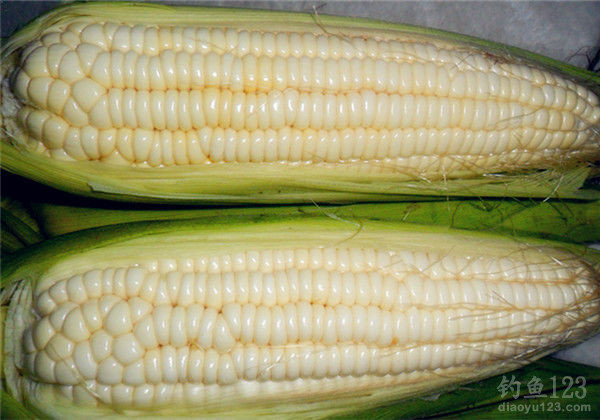
- ½ part cornmeal
- 1 tbsp honey (per 2 cups of dry mix—carp go crazy for sweet)
- Enough water to make a dough (not too wet!)
Pro tip: Mix the dry stuff first, then add honey to water before stirring. Knead it like bread—5-10 minutes until it’s smooth. If it’s too sticky, add a little cornmeal. Too crumbly? A splash more water. Easy peasy.
2. Pull vs. Push: Choosing Between Pullbaits and Pushbaits
Here’s where most newbies mess up. Even if your recipe is perfect, the way you present it (pullbait vs. pushbait) can turn a great day into a skunk fest. Let’s break down the differences first:
- Pullbait (aka Pop-Ups): Floats slightly off the bottom. Great for avoiding snags or targeting carp feeding just above the mud.
- Pushbait (aka Sinkers): Sinks to the bottom. Perfect for carp rooting around in the sediment (their favorite spring move).
2.1 When to Use Pullbait (And When to Run Away)
I only use pullbait when:
- The water’s super murky (carp can’t see the bottom easily).
- There are tons of snags (logs, rocks) in the spot I’m fishing.
- I’m targeting big carp (they sometimes prefer floating baits to avoid small fish).
But here’s the catch: Pullbait can attract too many small fish (like minnows or sunfish) that’ll steal your bait before the carp even notice. If you see a million tiny bubbles near the surface? Ditch the pullbait—stick to pushbait.
2.2 Pushbait: The Spring Workhorse
9 times out of 10, pushbait is your best bet in spring. Carp are on the bottom, rooting for food, so giving them a bait that sits right where they’re feeding is genius. But wait—how do you make pushbait that doesn’t fall apart before a carp takes a bite?
My trick: Add a little unflavored gelatin to the mix. Just 1 tsp per 2 cups of dry ingredients. It makes the bait hold together longer but still break down slowly (so carp can smell it).
3. Adapting to Your Water: River vs. Lake vs. Pond
Here’s the thing: A bait that works in a calm lake will fail in a fast-moving river. You’ve got to adjust for water flow, clarity, and even local carp habits. Let’s break it down by water type:
3.1 Rivers: Fight the Current (Literally)
Rivers are tough—current will strip your bait in seconds if you’re not careful. Here’s what to do:
- Use heavier pushbait (add a little clay or sand to the mix) so it sinks fast and stays put.
- Avoid super smelly baits—current dilutes the scent, so go for a slightly stronger mix (add an extra tbsp of honey or fish sauce).
- Cast upstream and let the bait drift down to your target spot (carp love to feed in eddies where the current slows).
Last spring, I fished a fast river with a light pullbait—total disaster. Switched to a heavy pushbait with extra fish meal, and caught 3 carp in 2 hours. Game. Changer.
3.2 Lakes: Play the Depth Game
Lakes are more calm, but carp can be at different depths depending on the time of day. Here’s my rule:
- Morning/Evening: Carp are shallow (1-3 feet) looking for warm water. Use pullbait or light pushbait.
- Midday: Carp move deeper (5-10 feet) to avoid heat. Use heavy pushbait with a slow sink rate.
Pro tip: Toss a few handfuls of your dry bait mix into the water 30 minutes before fishing (this is called “chumming”). It draws carp to the spot and gets them excited to eat.
3.3 Ponds: Keep It Simple (No Fancy Stuff)
Ponds are usually small, so carp are used to local baits. Don’t overcomplicate it! Use:
- Basic fish meal + wheat germ mix (no extra honey or gelatin).
- Small pushbait balls (size of a marble—carp in ponds are often smaller).
I once tried a fancy shrimp mix in a local pond—nothing. Switched to plain fish meal + wheat germ, and caught 2 carp in 15 minutes. Lesson learned: Ponds hate over-the-top baits.
4. Common Mistakes to Avoid (I’ve Made All of These)
Let’s be honest—we’ve all messed up. Here are the top 3 mistakes I see (and make) in spring:
4.1 Using Too Much Scent
Yes, carp love smelly stuff, but too much can be overwhelming. I once added 3 tbsp of garlic powder to a mix—carp swam away like it was poison. Stick to 1-2 strong scents (honey, fish meal, shrimp) and keep it simple.
4.2 Not Testing the Bait First
Don’t just mix the bait and run to the water. Test it! Throw a small ball into the water—does it sink? Does it break apart too fast? If it dissolves in 10 seconds, add more binder. If it sinks like a rock, add more water.
4.3 Ignoring the Weather
Spring weather is crazy—one day it’s 70°F, the next it’s 40°F. If the temp drops suddenly, carp will stop feeding. Don’t waste your time fishing—go home, make a better bait, and try again when it warms up.
Last month, I fished on a 45°F day—zero bites. Checked the forecast, came back 2 days later when it was 65°F, and caught 4 carp. Weather is everything!
5. Final Thoughts: It’s All About Experimentation
Here’s the truth: There’s no “perfect” spring carp bait. What works for me might not work for you. The key is to experiment—try different ratios, scents, and presentation styles. I once spent 3 weekends testing 8 different mixes before finding the one that worked for my local lake. Was it frustrating? Yes. Did it pay off? Hell yes—I caught a 20-pound carp that day!
So grab your ingredients, head to the water, and don’t be afraid to mess up. And hey—if you catch a monster? Tag me in your photos—I’d love to see it! Tight lines, everyone!