Catching Big Crucian Carp in Winter: River Fishing Tips for Snowy Days
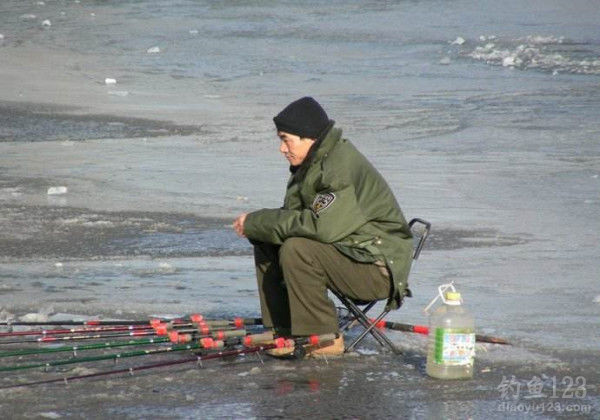
Winter is here, and while most people are hibernating indoors, I’m out there chasing crucian carp with a rod in hand! There’s something magical about sitting by a frozen river, watching the snowflakes drift down, and suddenly feeling that first tug on your line. Let me tell you—if you know how to pick the right spot, bait, and tackle, winter crucian carp fishing can be *incredibly* rewarding. Those little fighters might be sluggish, but their size and fight make up for it, especially when you’ve got a bucket full of them at the end of the day. Let’s dive into my winter river crucian carp guide, full of tips I’ve learned the hard way (and some lucky breaks too!).
Why Winter Crucian Carp Fishing Is a Game-Changer
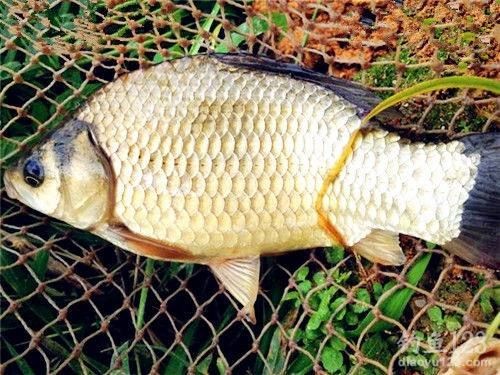
Before I get into the how-to, let me convince you this is worth braving the cold. Crucian carp are tough little survivors—they stay active even when the water hits 0°C (32°F)! And here’s the best part: they’re fattening up for the long winter, so the bigger ones are out there. I remember last December, I caught a 500g crucian near my hometown river, and it tasted amazing. No joke, that fish was plump from all the winter foraging. Plus, the crowds? Gone! Most anglers quit when the mercury drops, so you’ll have the river to yourself. Just don’t forget layers—you’ll need that wool hat and waterproof jacket!
Part 1: Choosing the Perfect Fishing Spot (It’s All About Location, Location, Location)
Finding the right spot is 90% of the battle in winter. Crucian carp are smart—they’ll stay where it’s warm, safe, and food is abundant. Here’s how I do it, with some pro tips from my many failed trips (and a few wins!):
1. Sunny Days: Shallow & Weedy Spots Win
On a bright, sunny day, the water’s surface warms up faster than you think. Crucian carp love this—they’ll gather in shallow areas (2-3 meters deep, if you can check) near water plants. Why? Because sunlight heats the water, and plants mean food (they munch on tiny insects and algae). Trust me, I’ve tried deep spots on sunny days before and caught nothing but cold fingers. Then I switched to a shallow, weedy spot, and bam! Three crucians in an hour. The key? Find water plants or even fallen branches—those are natural hideouts and feeding zones. Pro move: Cast near the edge of the river where the sun hits the water first thing in the morning.
2. Cloudy Days: Go Deep & Wind-Break
Cloudy, overcast days? Forget shallow! The sun’s not warming the water, so crucians retreat to deeper holes (3-5 meters). Why? Deeper water stays warmer. But wait—don’t just pick any deep spot! Look for windbreaks. If the wind’s blowing from the north, find a spot behind a bank of trees or a large rock. The wind makes the water choppy, and crucians hate that—they’re lazy in winter, so they’ll stick to calm, still water. I once sat in a deep, wind-protected cove on a foggy day and caught a 600g crucian. The wind was howling, but my spot was as calm as a mirror. Lesson: Cloudy = deep + windbreak = success.
3. Avoid Fast-Moving Inlets (They’re for Summer, Not Winter)
Oh man, I made this mistake *so many times*! In summer, inlets are gold—fast-moving water means oxygen, and crucians love that. But winter? Inlets have frigid, rushing water that freezes crucians’ food sources. They’ll avoid it like the plague. Stick to slow-moving water or even still pools. Pro tip: Walk along the riverbank first—look for areas where the current is gentle, maybe near a bend. Those spots are like a warm blanket for the fish.
4. Old Fishing Spots = Old Fish Roads
Here’s a secret: Crucian carp are creatures of habit! If someone’s been fishing there for years, the fish will return to that spot. I found an old concrete bridge piling last winter, right where a local angler used to fish. I cast a few casts, and bam—caught a 400g crucian within 10 minutes. Why? They’re used to the area, feel safe, and maybe even remember the bait. So check local maps or ask at the bait shop—old spots are like treasure chests in winter.

Quick recap for choosing spots: Old spots, quiet areas, windbreaks, deep water (and shallow if sunny), and spots with food (weeds, algae). Remember: *Sunny = shallow, Cloudy = deep*. That’s my golden rule now—no more guessing!
Part 2: Bait That Works in the Cold (No, It’s Not Just Bread!)
Now, the bait. In winter, crucians are lazy but still need energy. They’re like little winter athletes—they burn calories to stay warm, so they need high-protein food. Here’s what I’ve tested, and what *actually* works when the river’s freezing:
1. Traditional Red Worms & Earthworms: The Classic Go-To
Red worms are my absolute favorite for winter. Why? They’re alive, they wiggle naturally, and crucians go crazy for them. I buy a dozen from the bait shop, keep them in a damp cloth in the fridge (don’t freeze!), and they stay fresh for days. Cast a red worm on a hook, and even in 0°C water, the worm’s movement is enough to trigger a bite. I’ve had days where all I used was red worms and caught 5-6 crucians each hour. Pro tip: Use “spikes” (short shanked hooks) to keep the worm on the hook longer—no slipping off mid-water!
2. Dough Bait & Alcoholic Rice: Slow, Steady, and Mess-Free
For traditional long-line fishing (think “old-school” rods with short lines), I mix a simple dough bait with rice wine. The recipe? 1 cup of flour, ½ cup of rice wine, and a pinch of sugar. Let it sit for 30 minutes to get sticky, then shape into small balls. The alcohol in the rice wine attracts crucians, and the sweet smell makes them come closer. Add a few red worms on top for extra oomph—this is a double threat! I’ve also tried commercial winter crucian baits, but honestly, homemade dough with rice wine is cheaper and just as effective. No need for fancy store-bought stuff here!
3. Commercial Baits: When You Want Something Easy
Okay, I get it—some people don’t want to dig up worms. If that’s you, go for commercial crucian carp baits mixed with rice wine. Brands like “Winter Crucian Pro” are popular, but I just mix 1 part commercial bait with 2 parts rice wine and a spoonful of cornmeal. The cornmeal adds bulk and makes the bait float a bit, which helps crucians spot it. Trust me, even if you’re not a “traditionalist,” these commercial mixes work, but nothing beats live worms for that extra “natural” edge.
My biggest mistake? Using dead bait. Crucians in winter are picky—they want fresh, lively food. I once threw a dead earthworm in and got crickets (yes, crickets, not crucians!). Lesson: Always use fresh, moving bait if possible. Live red worms or earthworms are your best friends here.
Part 3: Tackle Setup for Winter (Smaller = Better, Trust Me)
Your rod, line, and float matter more than you think in winter. Crucians are sluggish, so you need gear that’s sensitive enough to feel the tiny nibbles. Here’s my winter crucian setup, tested and refined over years:
1. Rods: Softness is Key
Go for a 37-46 or 55-55 split flex rod. Yes, I know—too many technical terms! Basically, a “soft” rod (not stiff) bends easily, which helps land the fish without breaking the line. I use a 4.5-meter rod with a soft tip. Why? Because crucians are usually small to medium-sized, but a big one (like 500g+) can pull hard. A soft rod lets you play the fish gently, avoiding line snap. Stiff rods? You’ll break sub-lines for sure. My current rod is a “Winter Crucian Special” from a local brand—lightweight, soft tip, and perfect for hours of casting without arm fatigue.
2. Line & Hooks: Think “Delicate” Not “Strong”
Winter crucians don’t hit hard, so you can use *tiny* line. For shallow spots (2-3m), I use 0.8mm main line and 0.4mm sub-line. For deeper spots (3-5m), 0.6mm main and 0.3mm sub-line. Why? Because thicker lines scare crucians—they’re skittish in winter! Hooks? Size 1-3 barbless hooks (barbless = less pain for the fish, easier to remove). I’ve lost count of times I used a size 4 hook and missed a bite because the hook was too big. Pro tip: Tie the sub-line to the main line with a double knot—no slipping when the fish pulls!
3. Floats: Sensitive and Clear
Float choice is crucial. In winter, crucians are near the bottom, so a long, thin float with a small tip. I love using reed floats (natural buoyancy) or nanobots (lightweight, doesn’t absorb water). The tip should be thin (0.5mm or less) so you can see the tiniest dip. If the water’s 1-2m deep, a float with 1.0g lead is enough. For deeper water, up to 3.0g. I once used a float with a 2.0g lead in 4m water and missed a bite because the float was too sensitive—turns out, I needed a heavier lead to keep it steady. Lesson: Match the float weight to the depth!
Part 4: The Art of Lifting & Landing (No, That’s Not a Dance Move)
You’ve got the spot, the bait, the gear—now what? How to hook and land the fish without losing it. Let’s be real: In winter, crucians are slow, but they’re still strong enough to break a line if you’re not careful.
1. When the Float Moves: Don’t Jerk!
Imagine your float dips—*tick-tick-tick*—then suddenly goes under. That’s a bite! Now, the urge is to pull the rod up as hard as possible, but resist that! Instead, use a quick wrist flick to set the hook. Think of it like tapping a mosquito on your arm—gentle but firm. If you jerk too hard, you’ll either pull the hook out or snap the sub-line. My first winter, I pulled so hard I sent the hook flying, and I never caught that fish. Now I take it slow: feel the line, then a light upward motion. Perfect, no more “missed” crucians!
2. Lifting a Big Fish: Let the Rod Do the Work
So you’ve got a good-sized crucian—maybe 500g. You’re excited, but don’t lift the rod too fast! Let the rod tip bend naturally, and guide the fish toward the shore. Keep the rod tip high, and walk backward slowly. If it’s a monster (600g+), use a landing net! I once tried to lift a 600g crucian with just my hands—let’s just say the fish slipped, and I got soaking wet. Lesson: Net your fish, don’t wrestle it! It’s not a contest; it’s a sport of patience.
Final Thoughts: Why This Winter Could Be Your Best Fishing Season
Look, I know winter fishing isn’t for everyone. The cold is real, the wind bites, and sometimes you catch nothing. But when you do catch that fat crucian in the snow, it’s like winning the lottery. I’ve spent my winters learning these tips, and now I can’t imagine fishing in any other season. So grab your gear, layer up, and head to the river. Remember: crucians are out there, waiting for you. Just pick the right spot, use live bait, and be patient. Trust me, the first bite will make you forget all the cold shivers.
Until next time—tight lines, and may your bucket always be full!
Happy winter fishing, and don’t forget to share your biggest catch with me! Drop a comment below—I’d love to hear your winter crucian stories.
winter river crucian carp fishing, crucian carp winter bait, winter crucian carp tackle, river crucian carp spots, winter fishing tips for crucian, red worm crucian bait, old fishing spots crucian, winter crucian fishing setup