



How to Hook Red Worms for Crucian Carp: 3 Proven Methods for Better Catches
Let’s be real—if you’ve ever fished in rivers, lakes, or reservoirs, you know natural bait is where it’s at. Fish in these wild waters aren’t chowing down on store-bought pellets; they’re munching on algae, tiny bugs, and soft-bodied critters. That’s why red worms (those tiny, wiggly guys) are absolute gold for crucian carp. But here’s the catch: getting them to stay on your hook without turning into a mess? Total pain for newbies. I’ve been there—cast once, and boom, no worm left. Total bummer. So today, I’m spilling the tea on the three red worm hooking methods I swear by. Let’s dive in!
Why Red Worms Are Crucian Carp Catnip
First off, let’s give credit where it’s due. Red worms aren’t just some random bait—they’re a crucian carp’s favorite snack. Why? Because in the wild, these fish gobble up soft, wiggly larvae all the time. Red worms look, smell, and move just like their natural prey. Plus, they’re tough enough to handle a few casts (if you hook ’em right) and work great in wind or rain. Trust me, I’ve caught more crucian carp with red worms than any other bait on days when the weather’s being a jerk.
Method 1: The Red Thread Tie (Old-School but Reliable)
Okay, let’s start with the method that’s been around forever—tying red worms with thread. Yeah, it takes a little prep, but it’s worth it for those days when you need a super secure hook. Here’s what you’ll need:
- A pair of chopsticks (or any thin, sturdy sticks)
- A sharp knife (be careful—no finger cuts!)
- Strong red thread (fishing line works too, but thread is softer)
- Fresh red worms (keep ’em alive in damp moss or soil)
Step-by-Step: How to Tie Red Worms with Thread
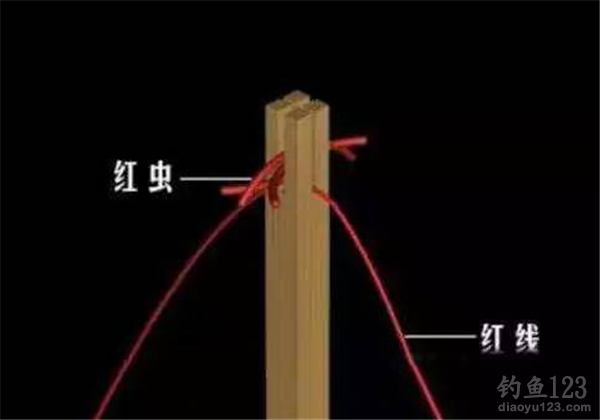
First, split one chopstick down the middle—like making a tiny trough. Stick a small twig or toothpick in the split to keep it open. Then, carve a tiny groove along the length of the split chopstick (this is where the thread will sit). Next, slide the red thread into the groove. Now, grab a handful of red worms (3-4 is perfect for crucian carp) and place them in the split chopstick. Pull the thread tight around the middle of the worms—don’t squeeze too hard, or you’ll squish ’em. Tie a knot, and boom—you’ve got a worm bundle ready to go.
Pro tip: This method is a bit time-consuming, so do it at home before your fishing trip. Stick the tied worms in a small container with damp paper towels, and keep ’em cool (not frozen!). I once forgot to prep and spent 20 minutes fumbling with worms on the bank—total waste of fishing time. Don’t be me.

Method 2: The Red Worm Clip (My Go-To for Lazy Days)
If you hate messing with thread (guilty), this is the method for you. The red worm clip is a tiny tool that costs like $5, and it’s a game-changer. Here’s why I love it:
- Super fast—takes 10 seconds max per bundle
- No touching the worms (germs? Gross. This avoids that)
- Secure—worms stay on the hook even when casting far
How to Use a Red Worm Clip Like a Pro
First, clean the clip (duh—you don’t want old worm gunk messing up your bait). Then, stretch a small rubber band over one end of the clip. Open the clip’s jaws and dip it into your worm container. Gently close the jaws—this will trap a handful of worms. Pull out the clip, and you’ll have a little worm ball. Trim any straggler worms (the ones hanging out of the rubber band) so you’ve got a neat bundle. Hook that bad boy through the rubber band, and you’re ready to cast.
Warning: Even though the clip keeps you from touching worms, always wash your hands after fishing. I once skipped this and ended up with a weird rash—turns out, red worms carry tiny bacteria. Yuck. Don’t skip the handwashing!
Method 3: The Hand-Poke (Brutal but Effective)
Okay, let’s be honest—this method is a little… intense. But it’s perfect if you want to save bait (no thread or clips needed) and keep the worms super active. Here’s the lowdown:
- Use a piece of fruit or veggie with lots of moisture (apple, sweet potato, or carrot works great)
- Place the red worms on the cut side of the fruit/veggie—this keeps ’em alive and wiggly longer
- Use a larger hook (size 10 or 12—small hooks will tear the worms)
Step-by-Step: Hand-Poking Red Worms
First, set up your line (make sure it’s light—crucian carp have sharp eyes, so thin line is better). Grab your hook in one hand and a worm in the other. Poke the hook through the middle of the worm—don’t go through the head or tail, or the worm will die fast. Repeat with 3-4 worms, stacking them on the hook. The key here is to keep the worms alive—their wiggling is what draws the crucian carp in.
I know, I know—this sounds gross. But trust me, once you do it a few times, it’s no big deal. I used to hate touching worms, but now? I can poke ’em with my eyes closed. Pro tip: Wear latex gloves if you’re still squeamish—no shame in that!
When to Use Which Method?
Not all methods are created equal. Here’s my cheat sheet for picking the right one:
- Thread Tie: Use this for slow, calm water. The neat bundle looks natural, and crucian carp love it when the bait moves slowly.
- Worm Clip: Perfect for windy days or when you’re casting far. The clip keeps the worms secure, so you don’t lose bait every time you cast.
- Hand-Poke: Great for active fishing (like when the fish are biting like crazy). The worms stay super wiggly, which drives crucian carp wild.
My Personal Fishing Story (Spoiler: It Involves a Mess)
Let me tell you about the time I messed up. Last summer, I went fishing at a local lake. I decided to try the hand-poke method, but I used a tiny hook (size 16). Big mistake. Every time I cast, the hook tore through the worms, and I’d end up with nothing. I spent 30 minutes re-baiting, and by the time I switched to a size 12 hook, the fish had moved to deeper water. Ugh. Lesson learned: Always use the right hook size for the method.
Another time, I used the thread tie method at a river. The water was clear, and the neat worm bundle looked just like a natural larva cluster. I caught 12 crucian carp in 2 hours—total win. My buddy was using a worm clip, and he only caught 8. So yeah, the method matters!
Final Thoughts (No Boring Summary, Promise)
Look, red worm hooking isn’t rocket science. It’s just about finding the method that works for you. I’ve tried all three, and I usually stick with the worm clip for lazy days and the thread tie for slow, calm water. The hand-poke? Only when I’m feeling brave (and when I don’t mind getting my hands a little dirty).
One last thing: Don’t be afraid to experiment. I once made a “worm sandwich” (tying two worm bundles together) and caught a huge crucian carp—like, 2 pounds! It was the weirdest thing, but it worked. So go ahead, mess around. You never know what’ll catch you a trophy fish.
Oh, and remember—wash your hands after fishing. Trust me, you don’t want to deal with a worm-related rash. Happy fishing, and may your hooks always be full of red worms (and your net full of crucian carp)!


