The Ultimate Guide to Sturgeon Fishing: Tackle and Bait Secrets Revealed
Alright, let’s talk fishing. These days, with everyone looking for a new thrill, the classic pursuit of carp or bass just doesn’t cut it for some anglers anymore. We’re craving a bigger challenge, a real test of skill. Enter the sturgeon. This prehistoric powerhouse is the new frontier for freshwater anglers looking to level up. But here’s the deal: going after sturgeon isn’t like your average weekend fishing trip. If you show up with your light bass gear and a tub of worms, you’re in for a world of disappointment—or more accurately, a broken rod and a lost fish. I learned that the hard way. So, after some serious trial, error, and a few heartbreaking losses, I’ve put together this no-nonsense guide on choosing the right tackle and bait for sturgeon. Think of this as your playbook for not just hooking, but actually landing one of these river monsters.

Getting to Know Your Prey: The Mighty Sturgeon
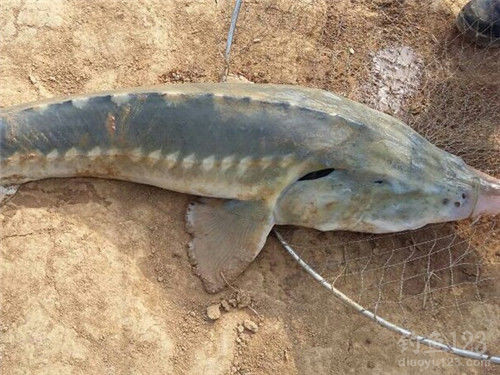
First things first, you gotta know what you’re dealing with. Sturgeon are ancient, bottom-dwelling giants. In North America, we’re mostly talking about species like the White Sturgeon in the Pacific Northwest or the Lake Sturgeon in the Great Lakes region. They love clean, fast-moving, highly oxygenated water with sandy or rocky bottoms. Their diet? Primarily bottom-feeding stuff: aquatic insects, crustaceans, mollusks, and small fish. They’re not aggressive predators like pike; they’re more like vacuum cleaners of the riverbed.
CRITICAL LEGAL NOTE: This is super important. Many native sturgeon species are protected and endangered. You absolutely cannot fish for wild, native sturgeon in most places. The fishing we’re discussing here is strictly for legally fishable species in designated waters or, more commonly, for hybrid sturgeon in private, pay-to-fish lakes and reservoirs. These hybrids, often a cross between different sturgeon species, are bred commercially and are legal to catch. Always, and I mean ALWAYS, check your local fishing regulations with the Department of Fish and Wildlife before you even think about targeting sturgeon. Conservation is key to keeping this amazing fishery alive.
Part 1: The Heavy-Duty Arsenal – Choosing Your Sturgeon Fishing Tackle
Forget everything you know about finesse fishing. Sturgeon fishing is a battle of brute strength. Your gear needs to be tough, reliable, and powerful. Here’s the breakdown.
1. The Rod: Your First Line of Defense
You need a rod that can handle immense pressure. A flimsy rod will snap faster than you can say “fish on!”
- Type: A heavy-power, fast-action rod is the gold standard. Length is crucial. I strongly recommend a rod 9 feet or longer. A longer rod gives you more leverage for casting heavy weights and, more importantly, for fighting a powerful fish. It helps absorb those brutal headshakes and runs.
- Options: A stout surf rod or a dedicated heavy freshwater rod works great. Many anglers also swear by sturgeon-specific rods sold by specialty brands. For true heavy-duty situations, a boat rod or a shorter, super-powerful rod is perfect.
- Personal Take: My go-to is a 10-foot, heavy-power surf rod. The extra length was a game-changer during my last big fight, helping me turn the fish’s head away from a snag.
2. The Reel: A Winch, Not a Reel
Your reel is your winch. It needs a massive line capacity, a super-strong drag system, and the guts to keep working under constant strain.
- Type: A large, robust spinning reel (size 6000-8000 or higher) or a conventional/baitcasting reel (like a 4/0 size) are the standards.
- Key Features: Look for reels with a smooth, sealed drag that can be precisely adjusted. A high gear ratio isn’t as important as sheer cranking power and durability. Line capacity is non-negotiable—you need to hold hundreds of yards of heavy line.
- Personal Take: I’m a spinning reel guy for sturgeon. I use a size 8000 with a legendary drag system. When a 60-pound fish decides to make a 50-yard run, you’ll thank every penny you spent on a quality reel.
3. The Line & Leader: No Weak Links Allowed
This is where you can’t afford to cheap out. Your main line and leader are the direct connection to the fish.
- Main Line: Braided line is king. Why? It has virtually no stretch, giving you incredible sensitivity to feel subtle bites and instant hook-setting power. Use 50 to 80-pound test braid as a minimum. Fill that reel up!
- Leader: You must use a leader. Sturgeon have rough, sandpaper-like skin (scutes) that will saw through braid in seconds. Use a heavy monofilament or fluorocarbon leader in the 60 to 100-pound test range. I typically run a 5-8 foot leader.
- Personal Take: I run 65-pound braid to an 80-pound fluorocarbon leader. The fluoro is a bit more abrasion-resistant and less visible. I’ve seen braid get shredded on a sturgeon’s flank—it’s not a pretty sight.
4. Hooks, Weights, and Terminal Tackle
The business end of your setup needs to be bomb-proof.
- Hooks: Think big, strong, and sharp. Circle hooks are massively popular and effective for sturgeon because they usually hook the fish in the corner of the mouth, leading to better hook-ups and healthier release. Sizes 5/0 to 10/0 are common. Octopus hooks or Kahle hooks are also great choices. Ensure they are chemically sharpened or sharpen them yourself.
- Rigs: The sliding sinker rig (Fish-Finder Rig) is the undisputed champion. It allows a sturgeon to pick up the bait without feeling the weight, resulting in more confident bites. Use an egg sinker or barrel sinker from 4 to 8 ounces, depending on current.
- Swivels & Beads: Use heavy-duty, quality ball-bearing swivels to connect your main line to the leader. A plastic bead between the sinker and swivel protects your knot.
Part 2: What’s on the Menu? – Bait and Chumming Strategies
Sturgeon have a fantastic sense of smell. Your bait needs to create a scent trail that screams “dinner time.”
1. The Classic Baits: Tried and True
These are the staples that consistently produce fish.
- Roe (Fish Eggs): The ultimate sturgeon candy. Salmon roe, steelhead roe, or shad roe are like crack for sturgeon. Use it in mesh bags or tied with spawn thread. It’s messy but oh-so-effective.
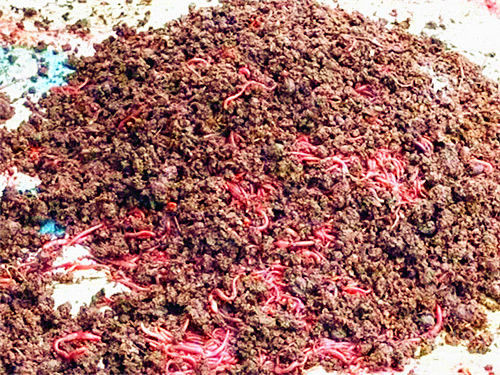
- Nightcrawlers & Leeches: A big bunch of nightcrawlers on a hook is a simple, deadly offering. Leeches work wonders too, especially in cooler water.
- Cut Bait: Fresh chunks of oily fish like shad, herring, or smelt. The scent dispersion is incredible.
- Ghost Shrimp & Crawfish: In some regions, these are the go-to baits. They mimic the sturgeon’s natural forage perfectly.
2. The “Secret” Bait for Stocked Hybrids
Remember those hybrid sturgeon in pay lakes? Here’s a pro tip: many are raised on commercial pellet feed. This feed is made from fish meal, wheat, corn, and other proteins. If you can get your hands on the original farm pellets, you have a massive advantage. Soak them to make them soft, or use them in a bait tube. If you can’t get the originals, use prepared baits or dough baits that mimic those protein-rich, grainy smells.
3. Chumming: The Dinner Bell
Sturgeon fishing often involves chumming to hold fish in your area. You can create a chum bag filled with crushed bait, pellets, or roe and lower it near your fishing spot. The slow leak of scent draws them in and gets them feeding. It’s not always legal, so check regulations!
Part 3: Putting It All Together – Tactics and Mindset
Great gear and bait are useless without the right approach.
1. Location & Presentation
Find deep holes, channel edges, or current seams in rivers. In lakes, look for the deepest basins. Cast your rig out and let it sit on the bottom. This is a waiting game. Engage the reel’s drag, set the rod in a holder, and be patient. Sturgeon bites are often subtle: a few light taps, then the rod slowly bends over. Don’t jerk the rod immediately! Let the fish take it for a few seconds, especially with circle hooks.
2. The Fight: Patience is Power
When you hook one, the real work begins. This is a marathon, not a sprint. Let the drag do its job. Keep steady pressure, but don’t try to muscle the fish. They make powerful, deep runs. Wear them down slowly. Have a large, knotless landing net or, for true giants, a tailing rope ready. Always keep the fish in the water if you’re practicing catch and release.
3. Respect and Release
Sturgeon are ancient, slow-growing creatures. If you’re fishing for a legal species that can be kept, know the slot limits. Otherwise, practice careful catch and release. Support their belly horizontally, keep them wet, and revive them thoroughly until they swim away strongly. These fish are a treasure.
So there you have it. Ditching the light gear for heavy artillery, swapping the worm for a pile of roe, and embracing the long wait—that’s the sturgeon game. It’s demanding, it’s intense, but the moment you finally guide one of these living fossils to the bank, every sore muscle and hour spent waiting is worth it. It’s not just fishing; it’s connecting with a piece of aquatic history. Now get out there, double-check those regs, and maybe I’ll see you on the river. Tight lines!