A Different Kind of Fishing Day: Winter Carp Tactics on the Quanhe Tributary
Man, talk about a change of scenery! Today wasn’t about chasing some exotic species in a famous lake. Nope. Today was a raw, honest winter fishing day, the kind where the air bites your fingers and your only real target is the ever-reliable crucian carp. Let me tell you, winter fishing for carp is a whole different beast, a specific kind of fun that tests your patience and your tactics. When the temperature plummets, most fish seem to have collectively decided to take a nap at the bottom. But not the crucian carp. These guys are the all-season troopers, always willing to give you a chance, always keeping the hope for a decent catch alive even on the coldest days. And that’s exactly what brought me to this different place today.

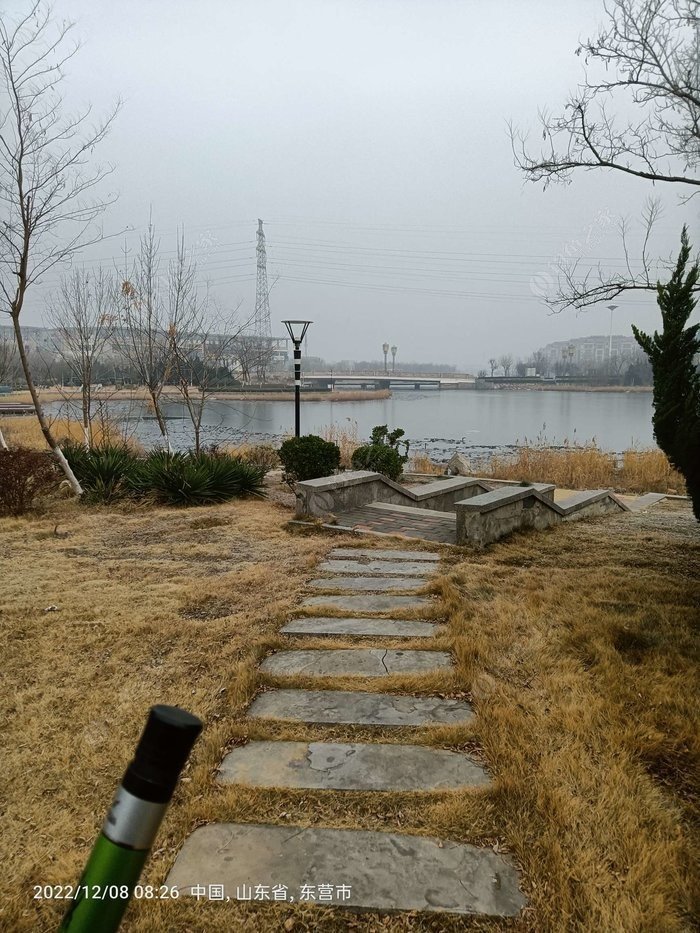
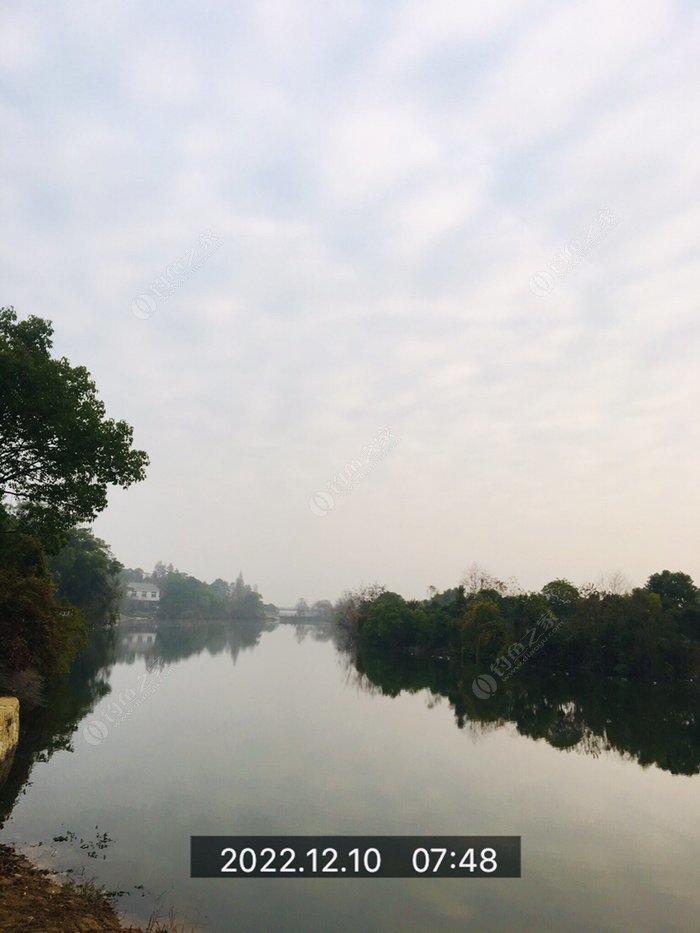
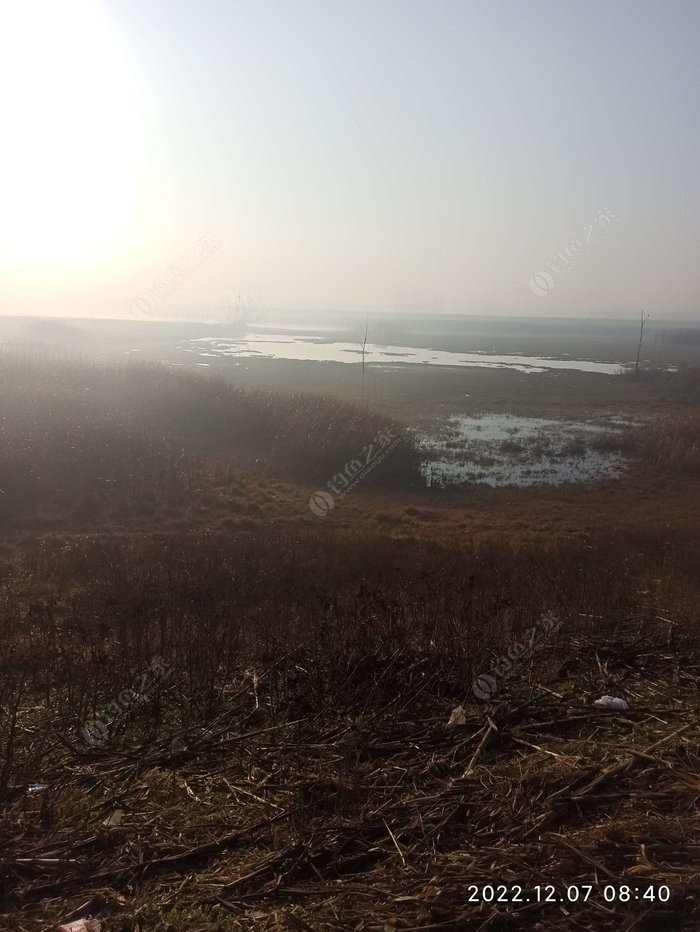
The Stage: A Frosty Morning on the Quanhe Tributary
Date: December 7, 2024. The calendar doesn’t lie. Winter is officially here.
Location: A tributary of the Quanhe River. This spot is pretty well-known among local anglers around here. It’s got a reputation for consistent action, especially for crucian carp, and sometimes even holds surprises like bigger carp. Everyone says it’s a productive spot, so I figured it was time to see for myself.
Weather: Brutal. A high of 11°C (52°F) and a low scraping 0°C (32°F). That’s the kind of range that makes you question your life choices as you’re setting up your gear in the morning mist. The air was thick with fog when I arrived, and the damp cold just seeps right into your bones. Huge shoutout to thermal layers and thermoses!
Gearing Up for the Winter Bite
You can’t just use your summer setup and hope for the best in this cold. Everything needs to be fine-tuned for lethargic fish in cold water. Here’s the arsenal I went with:
Rod, Reel, and Line Strategy
My main weapon today was a 6.3-meter rod. Why so long? When the water gets cold, the fish often retreat to slightly deeper, more stable areas farther from shore. A longer rod lets you reach those winter holding zones without needing a boat. It’s all about presenting your bait where the fish actually are, not where you wish they were.
For line, I went super light and sensitive: a 1.0 main line paired with a 0.8 leader. This is non-negotiable in winter. Thinner lines have less water resistance, create a more natural presentation, and most importantly, they transmit the tiniest, most tentative bites directly to your float. When a winter carp just sips the bait, you need every advantage to see that signal.
Tackle Details: Hooks, Floats, and the Philosophy of Finesse
The theme is “small and sensitive.” I used a float with a carrying capacity of just 1.5 grams. On a calm day with minimal wind, you want the smallest float that can still do its job. A lighter float offers less resistance, making it easier for a cold fish to pull it under. It’s all about making things easy for them.
On the business end, I tied on a size 3 Haixi hook. Small hook, thin line… it’s the classic “finesse for big fish” approach. You hear stories about this place occasionally giving up larger carp, and you want to be ready without spooking the more numerous crucian carp. It’s a balancing act of hope and practicality.
The Bait & The Technique: Luring Cold Water Carp
This is where the magic (or the frustration) happens. Cold water means slow metabolism. Fish aren’t racing around chasing down meals.

Choosing and Preparing the Winter Bait
I went with a single, simple bait: Diaojiazhija’s “Universal Fish Attractant – Fishy” scent. In cold water, strong, protein-rich, fishy scents are king. They have better dispersal and can trigger a feeding response from a greater distance. I didn’t mess with blends or cocktails today. Straight, single-scent, high-attraction bait is the way to go.
But how you mix it matters! I followed the 1:1 water-to-bait ratio on the package religiously, using a measuring cup for accuracy. Consistency is key for how the bait breaks down. And here’s a pro-tip for winter: if you have warm water with you, use it! Mixing your bait with lukewarm water makes the gluten develop faster (the “silk” or threads that hold the bait together), and the bait absorbs moisture more quickly. It just works better when you and everything else is cold.
The Art of the “Frequency Cast” in Winter
This is the core technique, and it requires a bit of discipline. You’re not just casting and waiting for an hour. You’re building a scent trail and a feeding zone. Here’s the method to the madness:
- Cast: Get your baited hook out to your chosen spot.
- The Wait & The Yank: As soon as the bait hits the water, it starts to disperse tiny particles (atomization). Let it sink to the bottom. Then, give your rod a sharp, short pull. This isn’t to set a hook; it’s to “explode” the bait cloud on the bottom.
- The Goal: This action creates a concentrated, fragrant cloud of particles right on the riverbed. That scent then slowly drifts with the current, acting like a dinner bell for any fish downstream. It’s about creating a point of interest in a vast, cold, and otherwise boring underwater landscape.
You repeat this process at a steady rhythm. It’s work. Your arm might feel it. But it’s the single best way to actively attract fish in winter, rather than passively hoping one wanders by.
On the Bank: Finding the Sweet Spot
Scouting the location was an adventure in itself. The fog made everything quiet and still. Where do you even start?
The classic wisdom is to fish near structure, like weeds. But I had a theory. Getting too close to dense aquatic plants might mean dealing with a million tiny, hyperactive baitfish that will shred your bait before a carp even sees it. Super annoying.
So, I looked for a compromise. I found a spot a reasonable distance from the weed beds. Close enough that it’s a natural corridor and habitat for crucian carp, but far enough out to hopefully avoid the worst of the “mini-fish mafia.” I wanted a clear patch of bottom where my frequency-cast bait cloud could settle and do its work. It felt like a logical choice, a calculated gamble on the day.
The Reality of the Catch
Alright, let’s talk results. The hype about this spot having big fish? Well, the big boys (and girls) decided to give me a pass today. No surprise carp cruising through. The fishing was… slow. Deliberate. Classic winter pace.
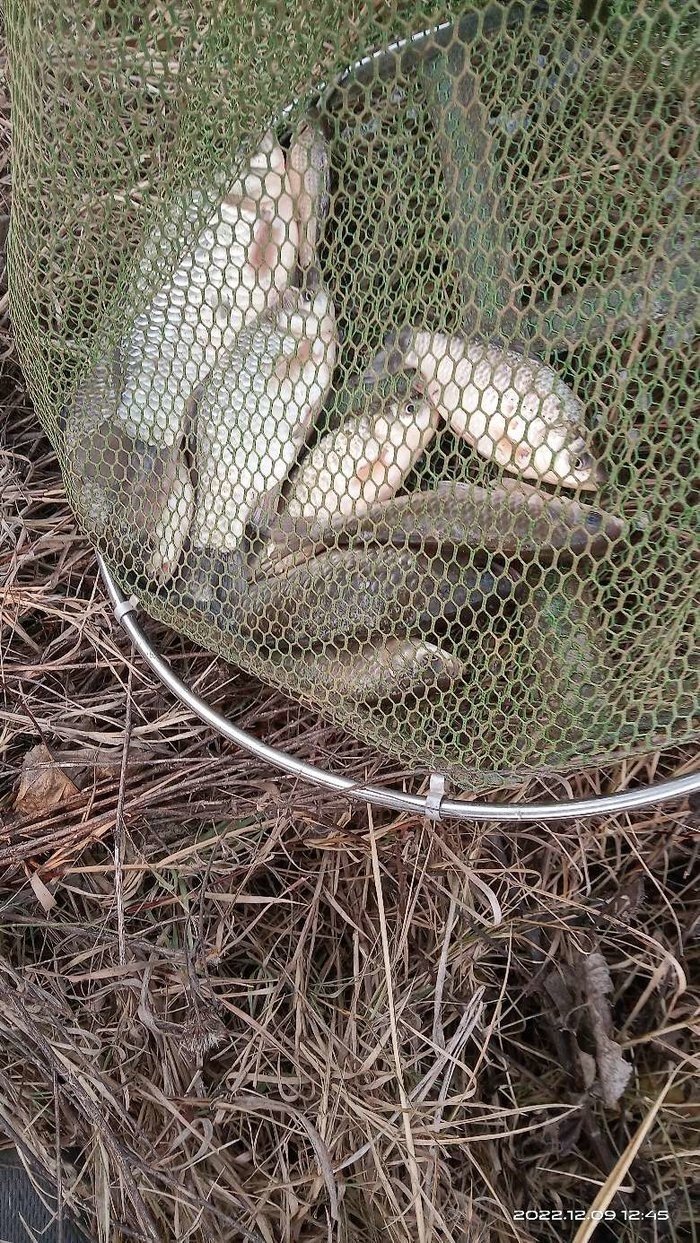
But the crucian carp? The loyalists? They showed up. I managed to land over a pound of them. Not a massive haul that strains your net, but in 0-11°C weather, any catch feels like a victory. These were decent, wild fish—not monsters, but solid, respectable fighters that bent my light rod nicely. Each bite was a subtle dip or slide of the float, a moment of focused tension, and then the satisfying resistance on the line. For a first visit to this “different place,” it was a decent start. It gives you a baseline. It proves the spot holds fish. It leaves you thinking, “Okay, I figured out a few things today. Next time, maybe with a slight tweak or just better luck…”

So, Was It Worth It?
Absolutely. Even with chilly fingers and a catch that wasn’t record-breaking. Winter fishing strips the sport down to its essentials. It’s not about volume; it’s about the challenge, the strategy, and the quiet satisfaction of outthinking the conditions. The Quanhe tributary proved its reputation as a reliable winter venue. The fish are there. They’re biteable. You just have to want it enough to brave the cold and dial in your approach.
If you’re sitting at home thinking the fishing season is over, you’re missing out on a totally different, incredibly rewarding angle to the hobby. Grab your long rod, spool up with light line, mix that fishy bait with warm water, and go find your own “different place.” The crucian carp are waiting, and honestly, they’re probably the only ones crazy enough to be out there with you. And that shared madness is what makes it fun. Until next time, stay warm and tight lines!