
Winter Fishing: Why Rushing Your Spot Is a Recipe for Few Fish
Let me tell you about my recent, slightly frustrating, yet totally predictable winter fishing trip. I arrived at my usual wild river spot, coffee in hand, ready for a serene morning, only to find my prime fishing spot from yesterday already taken. Sound familiar? So, there I was, forced to do a last-minute baiting session. And let me be blunt: winter fishing with a hastily made spot is an exercise in patience, often rewarded with… well, not much. The title says it all: “Winter Fishing: Don’t Rush Your Spot, You Simply Won’t Catch Many Fish.” My experience that day was living proof.

The Core Winter Fishing Dilemma: Last-Minute Baiting vs. Pre-Baiting
In warmer months, you might get away with showing up, throwing some bait in the water (chumming, making a spot), and catching something decent within an hour. Winter is a whole different beast. Fish are cold, metabolisms are slow, and they aren’t roaming around looking for a snack. They’re hunkered down in the warmest, most comfortable spots they can find. Your bait isn’t just food; it’s a signal, a dinner bell that needs time to resonate through the cold, lethargic underwater world.
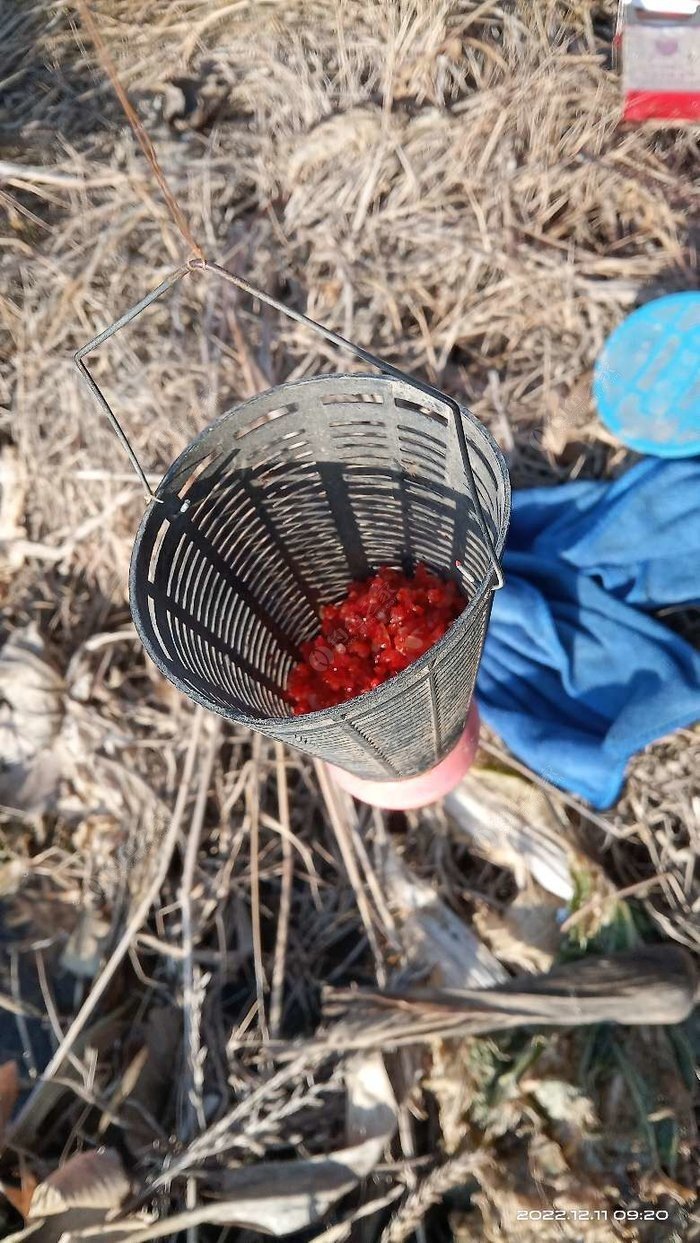
My plan that day was a classic “spot-and-shoot”: find a place, bait it immediately (using rice wine as my chosen attractant), and hope. But here’s the critical winter fishing knowledge I was working with, and why I wasn’t too optimistic.
Why Last-Minute Baiting in Winter is a Slow Game
Think of it like this: you’re trying to call a friend who’s in a deep sleep, in a soundproof room, with their phone on silent. You might need to call repeatedly over a long period before they even stir. That’s your bait in a winter fishery. The fish aren’t actively hunting. Your bait needs to disperse its scent, which happens painfully slowly in cold water, and then attract fish from their cozy hideouts. This process can take hours. On this trip, I got “lucky” with a bite in under 30 minutes, but that was only because…
I suspect my hastily created spot was very close to where the angler before me had been fishing. Their old spot likely still had some residual scent and maybe even some fish lingering nearby. So my new bait pile just gave them a reason to check out the neighborhood again. Without that head start? I’d probably still be staring at a motionless float.
Choosing the Right Spot: Reading the Winter Water
Even when baiting last minute, location is everything. You can’t just throw it anywhere. Here’s what I looked for, and what you should too:
- Avoid the Iced-Over Shallows: The bank had about a centimeter of ice. That water is too cold. Fish generally avoid it.
- Target the Ice-Free Zones: About three to four meters out, in front of some aquatic vegetation, the water was open. This is key! Sunlight can penetrate, and decaying plants can generate slight warmth. The water temperature here is “relatively higher,” making it a magnet for winter fish.
- Look for Human Signs: I saw traces that other anglers had fished there recently. This is a great clue. It means the spot has held fish before and the underwater terrain is likely favorable.
- Structure is King: The submerged vegetation is a classic winter haven. It provides cover, attracts microorganisms, and offers slightly warmer water. Baiting right on the edge of such structure is a proven tactic.
So, I baited there with my rice wine, set up my 5.4-meter “Renzhan” rod with a 1.2+0.8 line setup and a size 4 “Jin Haixi” hook, baited with a live earthworm, and settled in for the long, cold wait for crucian carp.
The Reality of the Bite: A Test of Nerves
When the bite finally came, it wasn’t some dramatic pull. Oh no. Winter bites are notoriously faint. My float barely dipped by half a mark. That’s it. If I had been distracted for a second, I would have missed it entirely. This ultra-light bite is classic for winter crucian carp. Their feeding is so sluggish, they barely suck in the bait. You need razor-sharp focus.
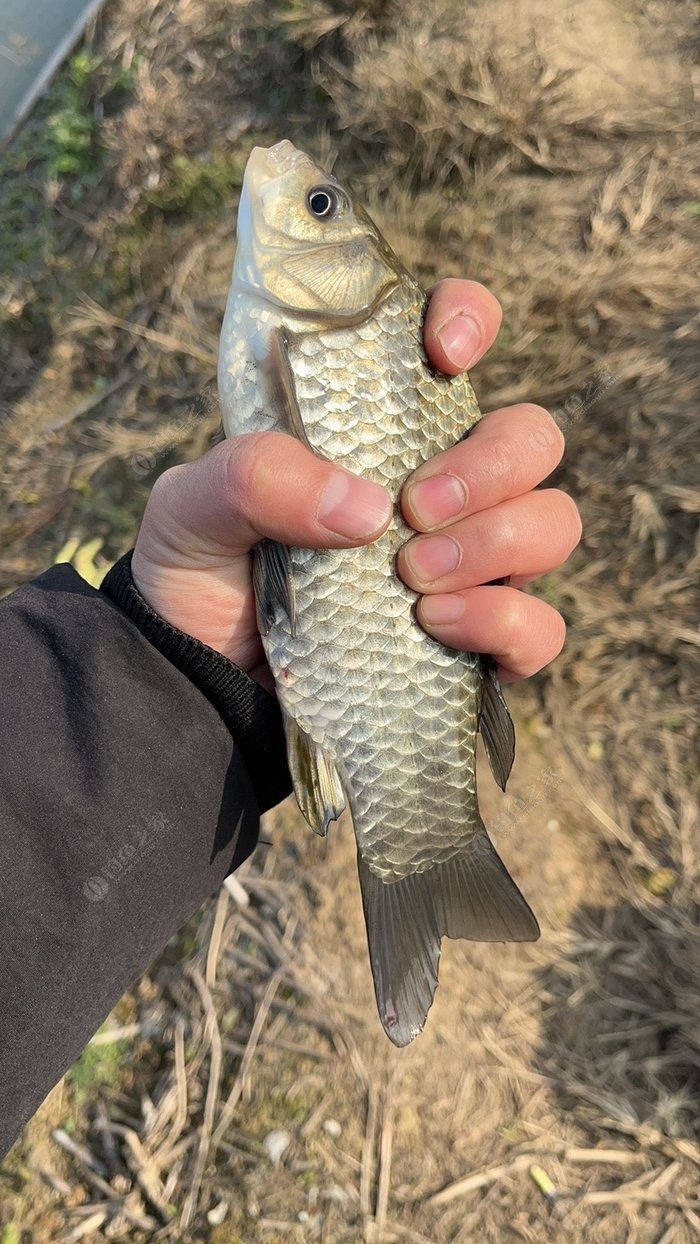
The silver lining? In this particular spot, the fish were a decent, consistent size. Most were around two ounces, with the occasional three or four-ounce cruiser coming to the net. And the biggest winter blessing of all: absolutely no nuisance fish! Not a single mini-fish pecking at my worm. Every tiny bite was a legitimate crucian carp. In that way, it’s less mentally exhausting than summer fishing—no constant false alarms, just long periods of silence punctuated by a genuine, delicate bite.

The Golden Comparison: Last-Minute Spot vs. The Overnight “Secret Weapon”
This is where the real lesson hits home. Let’s contrast my morning of last-minute baiting with the far superior strategy: the overnight baiting.
The Overnight Baiting Advantage
If I had come the evening before and baited that same spot near the weeds? The next morning would have been a different story. I’d probably get bites almost immediately after dropping my hook in. I might even get a short period of consecutive catches. The bait has had 12+ hours to work its magic, spreading its scent trail and drawing in every curious (and hungry) fish from a much wider area.
But—and this is a big but—there’s a catch with overnight baiting too. The “holding capacity” of a winter spot is limited. You might catch ten fish in a quick flurry, and then… nothing. Dead silence. Why? Because you’ve likely caught all the fish that were attracted to that concentrated pile of bait overnight. In winter, new fish don’t rush in to fill the void quickly. The bait is gone, the party’s over, and you’re back to waiting for a new, slow migration of fish to find the remnants. So even the overnight method has its limits, but those limits are much, much higher than the last-minute approach.
The Harsh Truth of Last-Minute Baiting
Back to my reality that day. With a spot made from scratch, you should never expect consecutive catches. If you get a bite every ten minutes, consider yourself incredibly lucky and the conditions perfect. More often, it’s one bite every thirty minutes, or even longer. You are essentially fishing for the one or two resident fish that happen to stumble upon your new bait pile. There’s no established “food highway” leading to your hook.
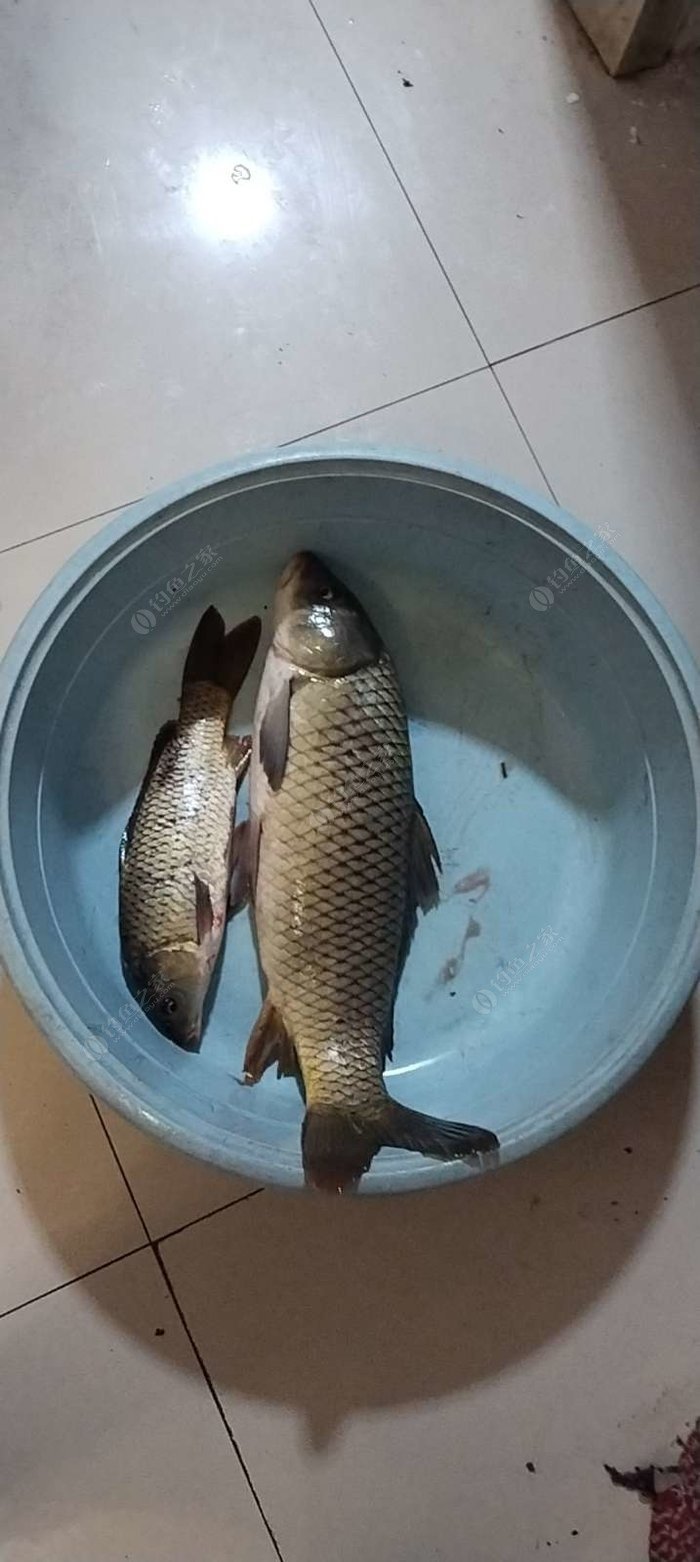
After three hours of intense concentration, I had only managed to land a few fish. A handful. Just enough to prove it was possible, but not enough to feel like a successful trip. It was a direct result of my late start and inability to pre-bait.

So, What’s a Winter Angler to Do?
It feels like a dilemma, right? The overnight baiting strategy is clearly more effective for winter fishing. It aligns with the slow metabolism of the fish. But it requires planning, an extra trip, and comes with the huge risk I witnessed: someone else taking your prime, pre-baited spot! The early bird doesn’t just get the worm; in winter fishing, the early bird gets the pre-baited spot and catches the fish.
If you’re forced into a last-minute situation like I was, manage your expectations drastically. Don’t think “I’m going fishing.” Think “I’m going to sit in a beautiful, quiet place, maybe read a book, and occasionally check my rod.” The catch is a bonus. Choose your spot with extreme care using the tips above. Use highly attractive, scent-heavy baits like rice wine or specialized commercial winter attractants. And for heaven’s sake, use sensitive gear and pay attention! Those bites are whispers.
For me, the takeaway is clear. If I’m serious about catching fish in the winter on my local wild river, I need to make the commitment. That means bundling up for a quick evening trip to bait a chosen spot, then sacrificing a bit of extra sleep to get there first thing in the morning to claim it. The reward is in the action, not the wait. Or, I can embrace the meditative, low-yield approach of the last-minute spot. Both are valid, but only one puts fish on the bank with any consistency.
Maybe I’ll see you out there. Just don’t take my spot if you see a little pile of rice wine by the weeds!