Winter Fishing: Light Bites, Better Floats = More Catches
Let’s be real—winter fishing isn’t about hauling in a ton of fish (though that’s a nice bonus). It’s about getting outside, escaping the house, and maybe learning a thing or two. Lately, I’ve been hitting the city’s ring-shaped waterway, and let me tell you: winter bites are so light, you’d miss ’em if you blinked. But here’s the tea: swapping my old float made all the difference. Now my catches are popping off like sesame seeds—small, but consistent!

Problem Spotted: My Old Float Was Dropping the Ball
First off, let’s talk about the star of the show (or lack thereof): my old float. I’ve been using a traditional 7-star float for ages, but this winter? It’s like it’s wearing blindfolds. The bites are so subtle—fish barely nibbling the bait—that the 7-star float couldn’t pick up the signal. I’d stare at it for 20 minutes, thinking “is there even a fish here?” only to realize later the float had twitched so little, I missed it. Total bummer.
So I did what any self-respecting angler does: I decided to fix the problem instead of complaining (okay, maybe a little complaining first). Because let’s be honest—finding out your gear is holding you back is half the battle. The other half? Actually fixing it without breaking the bank.
Midnight Float Swap: DIY Fishing Gear Shenanigans
Last night, I was so hyped to fix my setup that I stayed up until 1 AM digging through my fishing junk. (Side note: why is it that when you need a specific float, it’s hiding under a pile of old hooks and broken line?!) I finally found a vertical float I’d forgotten about—you know, the kind that stands straight up instead of lying flat. Then I spent an hour adjusting the line, testing the float’s buoyancy, and making sure everything was tight. Let’s just say my living room looked like a fishing supply store exploded by the time I was done.
And get this—my buddy Mocheng? Total fishing nut. He heard I was testing a new float and was at the waterway at 7 AM to scope it out. Dude, the sun wasn’t even up yet! He’s the kind of guy who thinks “fishing emergency” is a valid reason to skip breakfast. Love him, but he’s got a problem.

Game Day: Snow, Floats, and Disappointing Starts
Today’s the big day—Snow Festival (wait, no, Snow Solstice? Doesn’t matter, it’s cold). I got to the waterway around 9 AM (after Mocheng left to warm up—dude’s got no winter stamina). Let’s list out the deets so you can copy my setup if you want:
- Date: December 7, 2024
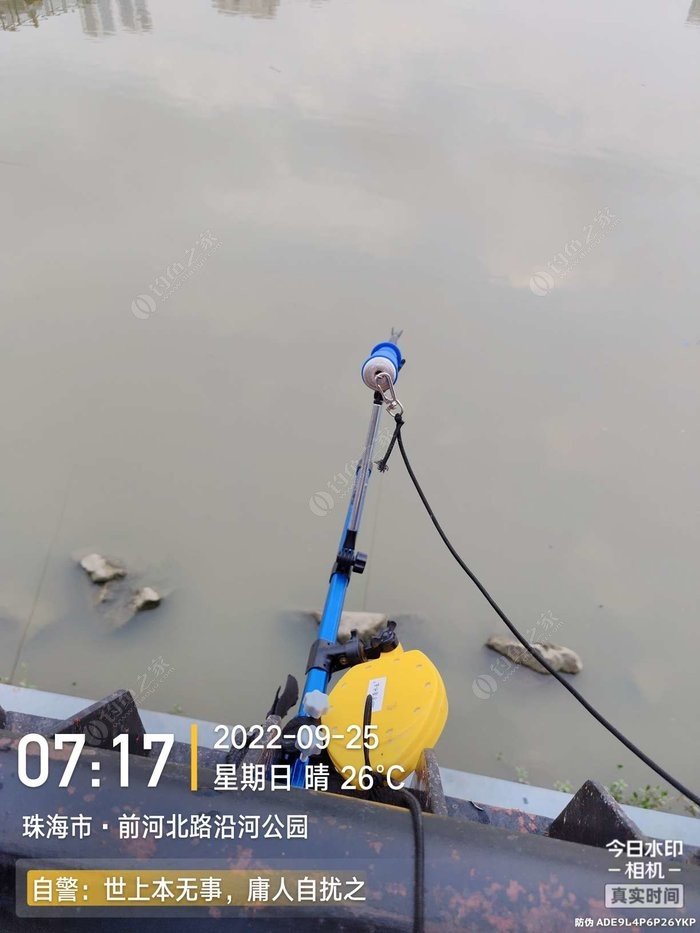
- Spot: Winter Ruirui Park section of the ring waterway
- Rod: Two 6.3-meter rods (because why not double the fun?)
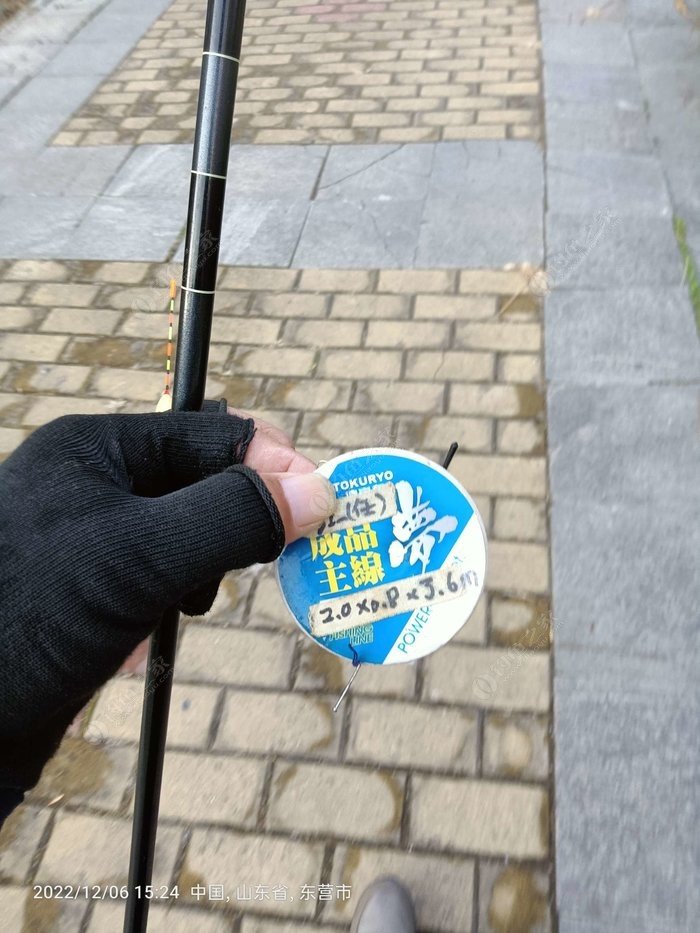
- Line: 2.0 main line, 1.0 sub line (light enough for winter bites, strong enough for bigger fish)
- Float A: Ice fishing float with size 2 hooks
- Float B: Short tail small float with size 4 hooks
- Baits: Red worms (winter fish love ’em—warm, wiggly, and stinky)
- Water depth: ~0.7 meters (shallow, but fish hang out here to stay warm)
- Weather: Mild haze, southwest wind 2 (so not too bad—could be worse)
First hour? Total flop. I caught one tiny minnow and one fish that was barely over 2 ounces. Mocheng would’ve thrown a fit, but I’m a “glass half full” guy… mostly. Turns out my old float (the one I was testing) had a problem: it was absorbing water. Oh, right! Floats that soak up water lose buoyancy—so what was supposed to be a 1-eye setup turned into a 0.5-eye setup. Total rookie mistake, but hey—live and learn.

Why Floats Absorb Water (And How to Fix It)
Let’s get nerdy for a sec—floats absorb water for two main reasons:
- Cheap junk: If you bought a $1 float from a gas station, it’s probably made of garbage. Avoid these like the plague.
- Damage: Scratches on the float’s surface or cracks where the stem meets the body (from yanking it out of the water too hard) let water seep in. That’s what happened to mine!
Back in the day, $20 floats were luxury items—like, “I’ll save up for 3 months” luxury. Now? $20 gets you a solid nano float that doesn’t soak up water. But me? I’m a cheapskate with 20+ floats, so I just fixed the cracked one with a little glue. Problem solved (sort of—don’t tell the perfectionists).
Midday Comeback: Bites Started Popping Off!
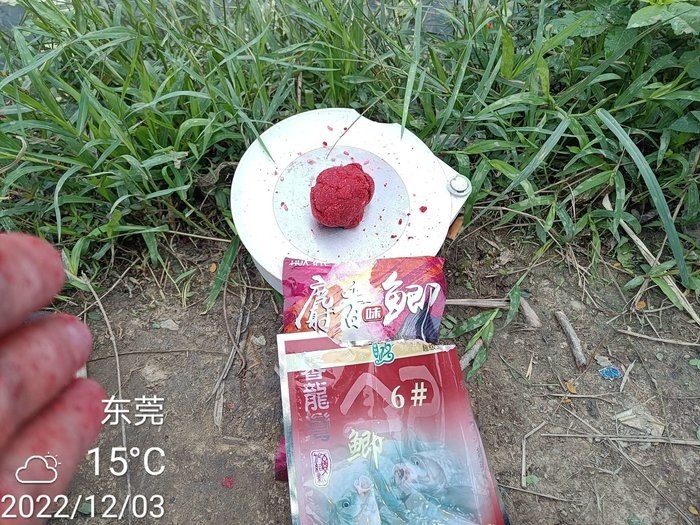
By 12 PM, I was ready to call it quits. But then I thought: “What if I add some extra bait to the spot?” So I mixed up some homemade bait (shoutout to my mom for the secret recipe) with wine rice (fish go crazy for that) and stuck it on my hook. Here’s the trick: instead of dumping a bunch of bait at once, I put a small ball on the hook and let it sink slowly. It creates a “bait column” that draws fish in without scaring them away. Genius, right?

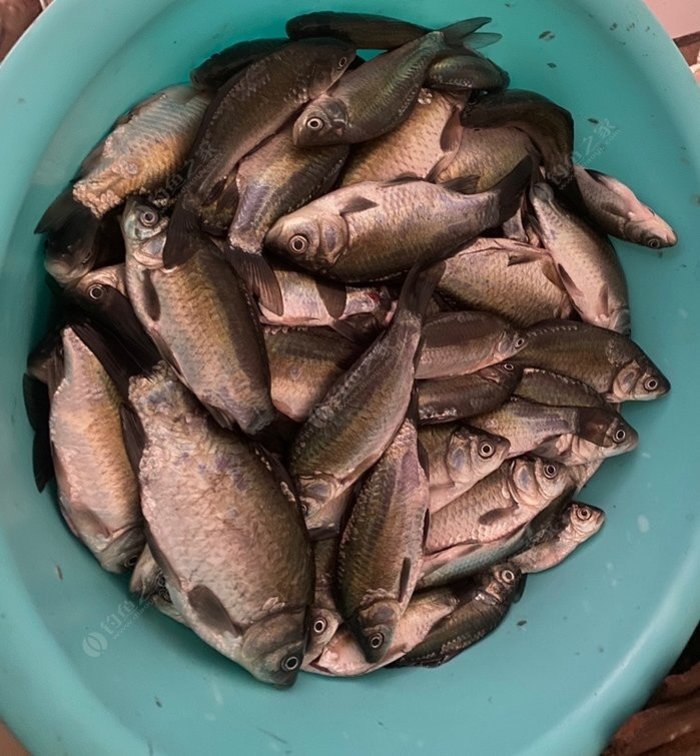
And boom—suddenly, the float started moving! First a tiny twitch, then a full-on dip. I set the hook and reeled in a nice 4-ounce crucian carp. Then another. Then another! By 3 PM, I had 6 fish total—5 crucians and 1 minnow. Most were decent size, too—no tiny babies this time. The new float was killing it! I could see every little bite—even the ones that would’ve vanished with the 7-star float.

Pro Tip: Don’t Be Afraid to Experiment
Here’s the thing about winter fishing: you can’t just do the same thing every time. I swapped my 6-size hooks for 4-size (smaller hooks work better for light bites), changed my float, and adjusted my bait. If I’d stuck with my old setup, I would’ve gone home empty-handed. So don’t be scared to mix it up—even small changes can make a huge difference.

Wrap-Up: Catch, Release, Repeat
By 3:30 PM, the sun was behind the buildings, and it got so cold my fingers were numb. Time to pack up! But here’s the best part: I released all the fish. Yeah, I know—some people think that’s crazy, but winter is tough for fish. They need all the energy they can get to survive until spring. Plus, letting them go makes the next trip more fun—there are more fish to catch later!

So to sum it up: winter fishing isn’t about being a pro. It’s about figuring out what works for you, fixing your gear when it breaks, and having fun even when the bites are slow. And if you’re struggling with light bites? Ditch the old float and try a vertical one. Trust me—your catches will thank you.

Oh, and one last thing: Mocheng texted me this morning asking when we’re going back. Dude, you’re obsessed. But hey—who am I to judge? I’m already planning my next trip. Maybe I’ll bring a better float this time… and a hot thermos of coffee. Stay warm, and tight lines!