

Canal Tributary Fishing: A Day of Reeling in Panfish & Lessons Learned
There’s something about the quiet hum of a slow-moving canal tributary that calls to every angler. No busy boat traffic, no crowds jostling for the best spot—just the rustle of grass, the plink of a bobber, and the thrill of waiting for that first bite. Recently, I chased that feeling all the way to a hidden canal tributary in Gucheng County, and let me tell you, it was a day full of small wins, messy moments, and crucial tips for any angler targeting panfish in cool weather. If you’re tired of crowded lakes and want to explore underrated fishing spots, stick around—I’m breaking down every detail of my trip, from gear setup to bait tweaks that made all the difference.

Finding the Perfect Canal Tributary Fishing Spot
Why Canal Tributaries Are a Hidden Gem for Panfish
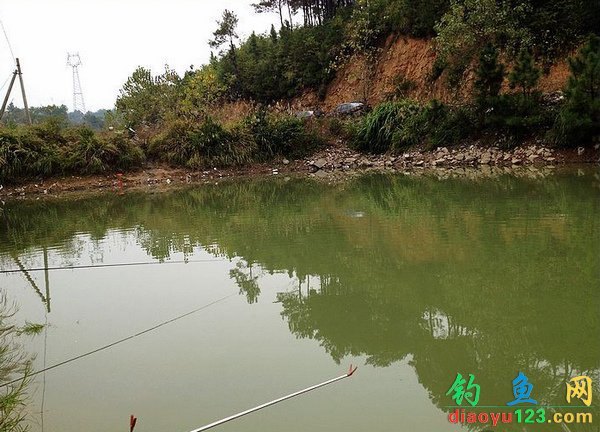
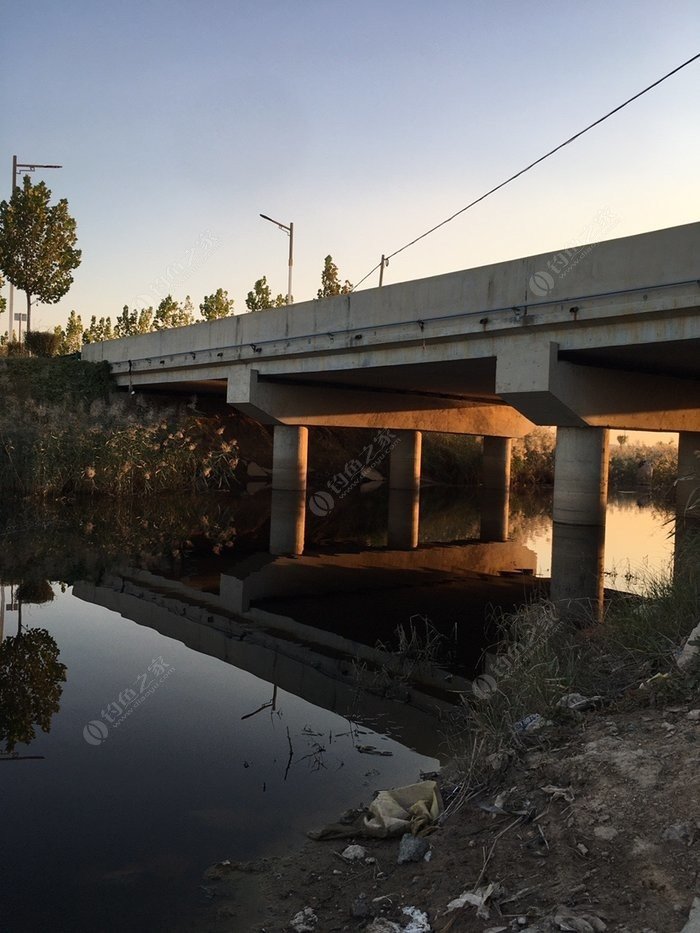
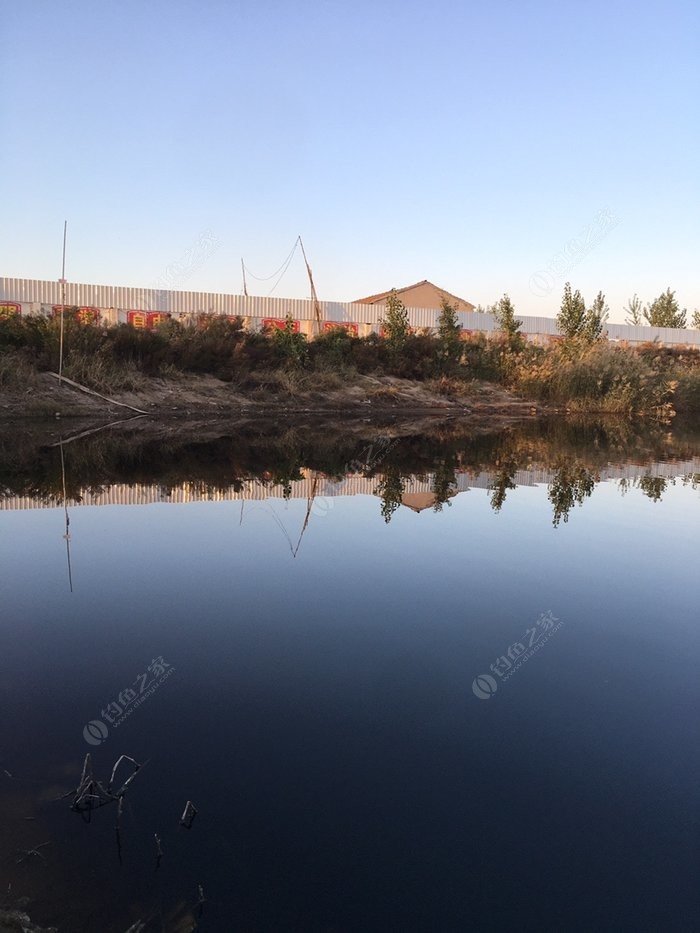
Let’s start with the basics: canal tributaries are seriously underrated. Unlike main canal channels that get hammered by anglers and fast-moving water, these side branches have slow, calm currents that panfish love. The water stays warmer longer in fall, and the surrounding farmlands (like the wheat fields lining this spot) wash in insects and nutrients that keep fish feeding actively. When I pulled up, I could already see tiny silver flashes near the grassy edges—dead giveaway that bluegill, crappie, and crucian carp were hanging around.
I’ll admit, I may have gone a little overboard with the “road trip” vibe, speeding to the spot like I was late for a concert. But once I parked and slung my gear over my shoulder, the chaos faded. The air smelled like damp dirt and fresh wheat, and the only sounds were distant bird calls and the soft splash of fish jumping. If you’re stressing about finding a quiet fishing spot, skip the popular state parks and Google “local canal tributary fishing spots” or check fishing forums for insider tips—you’d be shocked how many hidden gems are within an hour’s drive.
Scouting the Tributary: What to Look For Before You Cast
Before I even unpacked my rod, I spent 10 minutes walking the bank to scope out the best spots. Here’s what I focused on:
- Grassy edges: Fish love hiding in tall grass to ambush prey, and that’s where I saw the most crucian carp jumping. I picked a spot about 20 yards from a group of other anglers—close enough to watch their technique, but far enough to avoid crowding the fish.
- Water depth: I used a depth finder to check the area, and was happy to find a consistent 2.5 feet of water. That’s perfect for panfish—shallow enough to keep warm, but deep enough to feel safe from predators.
- Current speed: The water moved so slowly I could barely see the ripples, which meant my bait wouldn’t get swept away before fish could find it. If you’re fishing a faster-moving tributary, you’ll need heavier weights or a slip bobber to keep your bait in the strike zone.
Pro tip: If you don’t have a depth finder, tie a heavy weight to your line and lower it until it hits the bottom. Count the number of line wraps on your reel to estimate depth—old school, but it works!
My Gear Setup for Canal Tributary Fishing
Rod, Reel, and Line: Light Tackle for Panfish
Panfish like crucian carp, bluegill, and white bait are small, but they put up a surprisingly good fight—especially on light tackle. Here’s what I used, and why it worked:
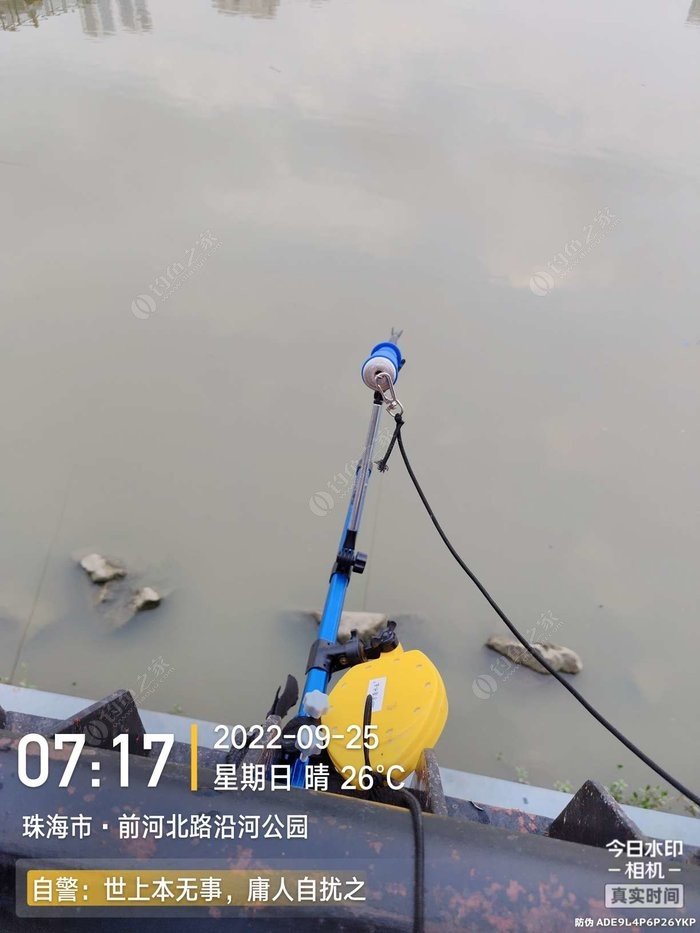
- Rod: I brought my 4.5m Zhulu Leisure rod, which is perfect for small streams and tributaries. It’s lightweight enough to hold for hours without cramping, but has enough backbone to reel in feisty panfish without breaking the line.
- Line setup: I went with a 0.8 main line and 0.6 leader, paired with a size 2 barbless Worm King hook. Barbless hooks are easier on fish (and your fingers, if you accidentally hook yourself) and required by many local fishing regulations, so make sure you check the rules before you go.
- Float: A reed float from Yiwei Fishing Gear was my go-to. Reed floats are super sensitive, so I could even feel tiny nibbles from minnows. I adjusted it so the bait sat about 6 inches off the bottom—perfect for targeting fish that feed near the mud.
Don’t overcomplicate your gear! Panfish don’t need fancy, expensive rods—just something lightweight and sensitive enough to detect small bites. If you’re on a budget, look for entry-level spinning rods in the 6-7 foot range; they work just as well for tributary fishing as high-end models.
Bait Mix: The Perfect Formula for Cool Weather
Fall fishing means one thing: fish are craving protein, so you need a bait that’s heavy on the scent. I mixed up a batch of 70% fishmeal-based “all-purpose stinky bait” and 30% shrimp-scented “grain attractant bait,” following a 1:0.9 bait-to-water ratio. I let it sit for 20 minutes to absorb the water, and the result was a soft, fluffy bait that held its shape on the hook and had a strong, fish-attracting scent.
I spent 30 minutes casting and reeling, adjusting my float and repositioning my rod every few minutes. I was starting to think the fish were ignoring me—until my float dipped up by one tiny inch. My heart raced as I lifted the rod, and sure enough, a small crucian carp popped out of the water. It was only about 4 inches long, but I felt like I’d caught a trophy. There’s something about that first bite that makes all the waiting worth it, right?
The Day Unfolds: Catching Fish (and Learning Lessons)
Reeling in the Catch: Small Fish, Big Fun
After that first crucian carp, the action picked up—slowly, but steadily. Over the next few hours, I caught a handful of small bream and white bait, each one putting up a tiny but exciting fight. I even had a few moments where two fish bit at once, which left me fumbling with my rod like a newbie (don’t worry, I didn’t lose either one).
As the sun started to set, the water turned golden, and the fish became more active. I switched to a slightly larger hook to avoid losing bait to minnow bites, and that helped me catch a few slightly bigger crucian carp. By the time the sky turned pink, my bucket had a solid dozen small fish—nothing worth keeping for dinner, but more than enough to make me feel like I’d accomplished something.

The Challenges: Dealing with Minnows and Cool Weather
It wasn’t all smooth sailing, though. Minnows were everywhere, nipping at my bait before it could hit the bottom. I spent 20 minutes watching my float get pulled under by tiny fish, only to reel in an empty hook. If you’ve ever dealt with “nuisance minnows,” you know how frustrating it is—you’re just trying to catch a decent fish, and these tiny pests keep stealing your bait.
That’s when I realized my mistake: I didn’t add enough binder to my bait. Binder helps the bait hold its shape and sink faster, so minnows can’t steal it before it reaches the bottom. I rummaged through my gear and found a small bag of wheat gluten, added a handful to my bait mix, and mixed it up. Within 10 minutes, I was catching crucian carp again, with fewer minnow interruptions. Lesson learned: always bring extra binder when fishing shallow tributaries in fall!
Wrapping Up: When to Call It a Day
As the sky turned dark and the temperature dropped, I decided it was time to pack up. My hands were cold, my back was sore, and my camera’s battery was dying, but I left with a grin on my face. I released all the fish back into the water (small panfish grow up to be bigger fish, after all) and spent 10 minutes picking up trash from the bank—leave no trace, right?
On the drive home, I started thinking about what I’d do differently next time. I’d definitely bring more binder, and maybe a pair of gloves to keep my hands warm. I also made a mental note to come back when the weather gets colder—panfish get more active in cold water, and the minnow problem will die down a bit. Oh, and I want to check out that Lotus Creek spot I heard about—apparently, it’s full of big crucian carp in winter.
Expert Tips for Canal Tributary Fishing Success
Bait and Gear Tweaks for Fall Fishing
Based on my day on the tributary, here are my top tips for catching more panfish in cool weather:
- Go heavy on scent: Fish have a harder time finding food in cool water, so a strong-smelling bait will help them locate your hook faster. Look for baits with fishmeal, shrimp, or garlic scent.
- Add extra binder: Minnows are everywhere in fall, so adding 10-15% binder to your bait mix will help it sink faster and stay on the hook longer. You can use wheat gluten, corn starch, or commercial binder powder—whatever you have on hand.
- Use light tackle: Panfish are skittish in shallow water, so a light rod and line will help you cast quietly and detect small bites. Avoid heavy weights that will splash and scare fish away.
Planning Your Next Tributary Fishing Trip
If you’re ready to hit a canal tributary, here’s how to plan your trip like a pro:
- Check the rules: Some canal tributaries are off-limits to fishing, or have strict catch-and-release rules. Make sure you have a valid fishing license and know the local regulations before you go.
- Bring the right gear: Pack a lightweight rod, extra line, a variety of hooks, bait, a depth finder (or a heavy weight to test depth), and a small cooler to keep your catch fresh (if you’re keeping them).
- Go early or late: Fish are most active at dawn and dusk, especially in cool weather. Arrive 30 minutes before sunrise to set up, and stay until 30 minutes after sunset for the best bite.
And don’t forget to have fun! Fishing isn’t just about catching fish—it’s about getting outside, breathing fresh air, and forgetting about work or stress for a few hours. Even if you don’t catch anything, you’ll leave feeling refreshed and ready to take on the world. Plus, you might meet some cool people—one of the anglers at the spot gave me a tip about a secret tributary spot that’s full of big catfish, so I’m already planning my next trip.
Final Thoughts: Why Canal Tributary Fishing Is Worth the Trip
As I sat in my car on the drive home, I thought about how much I love fishing in small, hidden spots like this canal tributary. You don’t need a fancy boat or expensive gear—just a rod, some bait, and a willingness to explore. The fish may be small, but the experience is priceless. I left with sore arms, a camera full of blurry fish photos, and a head full of tips to try next time. And honestly, that’s all I need from a fishing trip.
If you’re tired of crowded lakes and boring fishing trips, give canal tributary fishing a shot. You’ll be surprised at how many fish you can catch, and how peaceful it is to fish in a spot where the only sounds are nature and your own heartbeat. Just remember to bring extra binder, dress in layers, and leave the spot cleaner than you found it. Now go grab your rod and hit the water—your next big catch (or tiny, exciting catch) is waiting!