
Don’t Let Bad Gear Ruin Your Multi-Day Fishing Trip! Here’s What You Need
Let’s be real: if you’re planning to spend days (or even weeks!) camping and fishing in the wild, showing up with a basic rod and a sleeping bag won’t cut it. I’ve been there—stuck in a flimsy tent during a midnight rainstorm, struggling with a cheap rod that bent like a noodle when a big fish bit, and realizing I forgot half the gear I needed to actually survive comfortably. After 80 straight days of fishing at Taolinkou Reservoir in 2024, I’ve learned exactly what works (and what’s a total waste of space). This guide breaks down every piece of tackle and camp gear you need for extended wild fishing trips, no fluff included.
Tackle That Keeps Up with Multi-Day Fishing Marathons
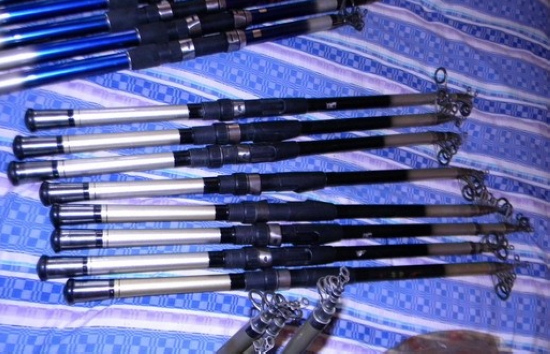
The right rod and reel setup can make or break your trip, especially if you’re targeting big fish in large reservoirs or rivers. Here are the setups I swear by, tested through weeks of non-stop fishing:
Heavy-Duty Setup for Trophy Fish
If you’re chasing monster fish in massive reservoirs, you need gear that can handle the fight. My go-to for 2024’s 80-day trip was a 3.9m high-carbon fiber rod paired with a 7000-series reel, spooled with 400+ meters of 8-pound test line. Let me tell you—this combo is a game-changer.
The high-carbon rod is lightweight enough to cast all day without killing your arm, but tough enough to reel in even the largest lake dwellers. I fought a few 20+ pound carp with this setup, and it didn’t so much as flex beyond its limits. The 7000 reel holds enough line to let big fish run without spooling you, which is a lifesaver when you’re in the middle of a 30-minute battle far from shore.


All-Around Setup for Lakes & Rivers
For days when you’re switching between rivers, lakes, and smaller reservoirs, a versatile setup is key. My go-to here is a 4.2m ultra-stiff carbon fiber rod with a 5000-series reel, using 0.4-0.45mm diameter line. This setup strikes the perfect balance between power and maneuverability.
The 4.2m length gives you enough casting distance to reach deep-water hotspots, while the stiff rod lets you set hooks quickly and control fish in strong currents. I’ve used this for everything from 5-pound bass in rivers to 15-pound catfish in lakes, and it’s never let me down. The 5000 reel is compact enough to carry all day, but still holds plenty of line for unexpected big catches.

Lightweight Setup for Casual Days
Not every day needs to be about trophy fish. Sometimes you just want to cast a line and relax, or target smaller species in shallower water. That’s where my 3.6m medium-stiff carbon rod comes in, paired with a 4000-series reel and 0.35mm line.
This setup is so light you can hold it all day without getting tired, and it’s perfect for panfish, small bass, and trout. I use it when I’m fishing from the shore of smaller lakes or slow-moving rivers, and it’s great for teaching new anglers the ropes too—no one wants to struggle with a heavy rod when they’re just learning!

Pro Tackle Extras You Don’t Want to Skip
Even the best rod and reel won’t help if you forget these small but crucial pieces of tackle:
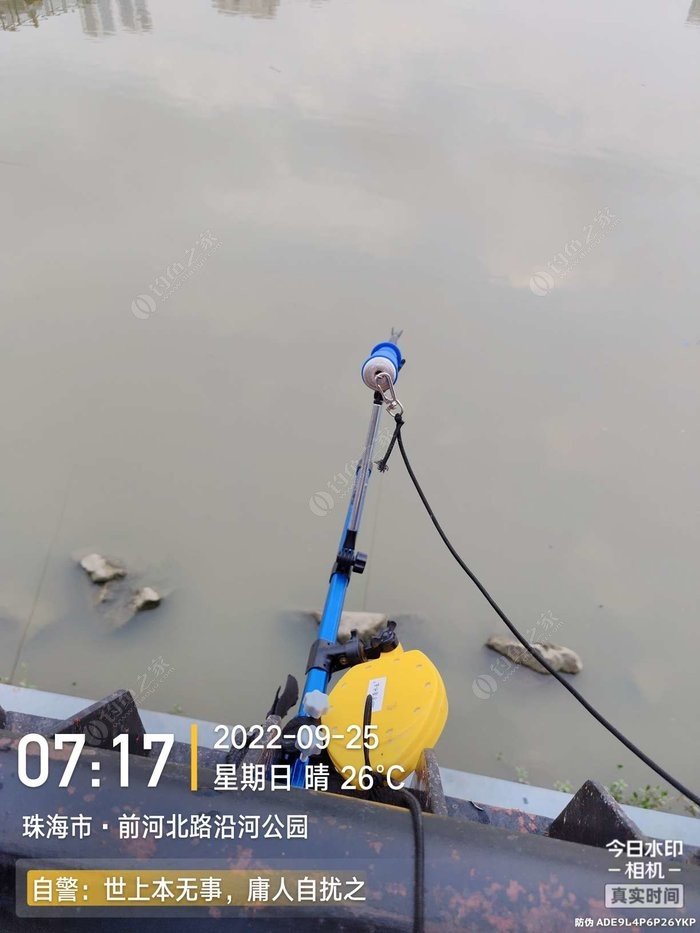
- Electronic Bite Alarms: When you’re camping multi-days, you can’t stare at your rod 24/7. A good electronic bite alarm with sound and light alerts will let you know when a fish is on, even if you’re cooking dinner or napping in your tent. I use a ground-mounted model that’s waterproof and easy to set up—total game-changer for lazy afternoons!
- Fish Finder: A basic portable fish finder is worth every penny. I use a compact model that shows water depth, bottom terrain, and even fish activity. It saved me hours of casting in empty spots—now I can drop my line directly where the fish are hiding, even in murky water.
- Boat Bait Dispenser: Carrying buckets of bait to your fishing spot is a pain, especially if you’re hiking far from camp. A boat bait dispenser lets you drop precise amounts of bait exactly where you want it, without wasting time or energy. I use mine to target deep-water fish that won’t come near shore.


Camping Gear That Keeps You Comfortable (and Alive) on Extended Trips
Fishing is only half the battle on multi-day trips—you need to sleep, eat, and stay safe in the wild. Here’s the camp gear I never leave home without:
Sleeping Essentials
Sleeping on the ground is a surefire way to wake up sore and cranky, which ruins your fishing mojo. Invest in a good aluminum cot—mine is 2m long, 1m wide, and 0.6m high. It keeps you off the cold, damp ground, and it’s sturdy enough to hold even the heaviest anglers (trust me, I’ve tested it after a week of eating camp food).

And don’t skimp on the tent! A cheap tent will leak during rainstorms and blow over in strong winds. For multi-day trips, I recommend a military-grade tent—they’re built to withstand heavy rain, strong winds, and even snow if you’re fishing in cooler seasons. If you’re on a budget, look for a tent with a high waterproof rating (at least 3000mm) and sturdy poles.

Day-to-Day Comfort & Convenience
Staying comfortable during the day means you can fish longer and enjoy the trip more. Here are the small things that make a huge difference:
- Heavy-Duty Sun Umbrella: Fishing all day in the sun is a quick way to get sunburned or heat exhausted. A large, sturdy sun umbrella blocks UV rays and gives you a cool spot to rest between casts. Look for one with a weighted base or stakes to keep it from blowing away in windy conditions.
- Ergonomic Fishing Chair: Sitting on a rock or a log for hours will kill your back. A portable, ergonomic fishing chair with a backrest and armrests lets you relax between bites, and many models have cup holders or storage pockets for tackle.
- Night Fishing Light: If you’re fishing after dark (which is when many big fish feed), a bright, rechargeable night fishing light is a must. I use a headlamp for tying knots and setting up camp, and a separate floating light to mark my fishing spot and attract baitfish.


Camp Kitchen & Power
You can’t fish all day on empty, and you need power for your electronics. Here’s what I use to eat well and stay connected:
- Portable Camp Stove: A compact, fuel-efficient camp stove lets you cook hot meals instead of eating cold sandwiches every day. I use a small propane stove that’s easy to set up and packs down tiny. Don’t forget to bring a pot, pan, and reusable utensils to cut down on waste.
- Gas Generator: If you’re staying for weeks, you’ll need power to charge your phone, fish finder, and lights. A 3000W four-stroke gas generator is powerful enough to run all your electronics, and it’s quiet enough that it won’t scare away the fish. Just make sure to bring enough fuel!
- Power Inverter & Chargers: A power inverter lets you plug in regular electronics to your generator, and portable chargers keep your phone and fish finder juiced up when you’re away from camp. I also bring a spare battery for my fish finder—nothing kills a good fishing spot faster than a dead device.


Safety & Communication
When you’re deep in the wild, safety should be your top priority. Here’s what you need to stay safe and connected:
- Two-Way Radios: Cell service is spotty (or non-existent) in most remote fishing spots. Two-way radios let you stay in touch with your camping partners, even if you’re miles apart. I keep one in my tackle box at all times, just in case I get lost or injured.
- Portable Tablet: A waterproof tablet lets you check weather forecasts, share your catch with friends, and even map fishing spots offline. I use mine to track where I caught fish, so I can come back to the same spots year after year.

Final Tips for Multi-Day Fishing Trips
After 80 days of living and fishing in the wild, I’ve learned a few hard lessons. Here’s my best advice for your next extended trip:
- Test your gear at home before you leave. There’s nothing worse than realizing your reel is broken or your tent leaks when you’re 10 miles from the nearest town.
- Pack extra supplies. Bring extra line, hooks, fuel, and food—you never know when you’ll need it.
- Check the weather forecast before you go. A sudden storm can turn a fun trip into a dangerous situation.
- Respect the wilderness. Pack out all your trash, don’t disturb wildlife, and follow local fishing rules.
At the end of the day, the goal of multi-day fishing trips is to have fun, relax, and catch some fish. The right gear will make your trip easier, but don’t stress about having the fanciest setup. I’ve caught more fish with a cheap rod and a positive attitude than I ever have with expensive gear. Just get out there, enjoy the outdoors, and make some memories!