Traditional Chinese Taixian Fishing Method for Carp: A Complete Guide to Setup, Bait, and Technique
If you’re tired of the same old rod-and-reel routine and want to try something wildly effective (and a little nostalgic) for carp, let me introduce you to Taixian fishing. Originating from Sichuan, China, this traditional method has been around for ages—but with modern tweaks, it’s become super portable and deadly for carp and crucian carp. The star of the show? “Doudou fishing,” where you make your bait dance to tempt fish. Let’s dive into everything you need to know!

1. How to Use a Taixian Rod (The Confusing Part Made Simple)
First off, Taixian rods look nothing like regular fishing rods—so don’t panic if you stare at one and think, “What do I do with this thing?” Let’s break it down step by step:
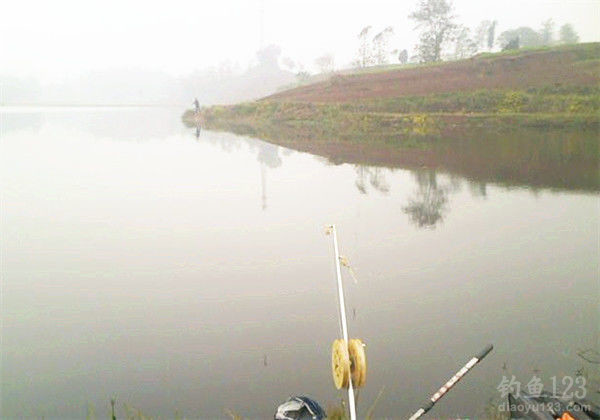
- Thread the main lines: Pull the line from the left spool, thread it through the left guide wheel on the rod, then pass it over the back wheel (top in, bottom out). Do the same with the right spool line through the right guide wheel. Connect the two lines with a link—now you’ve got a smooth, looping line system above the water: an “upper line” and a “lower line.”
- Set up the back rod: Stick the back rod into the bank on the opposite side of your fishing spot. This is crucial for keeping the lines taut.
- Add line stops: On the lower line, use medical tape to make small bumps (2 per section, 3–5cm apart) every 3–5 meters. These stops do two things: hold your fishing lines and hang bait trays when feeding. Pro tip: Keep bait trays out of the water until they reach your spot!
- Final prep: After building your rig, hit the water: mix some fish food, add water to make it a paste, then wrap it around the lower line’s stops. Once it’s in place, you’re ready to fish!
2. Bait Selection: The Secret to Tempting Carp
Carp are picky eaters, but Taixian fishing uses a trick: plastic foam bait. It’s cheap, reusable, and mimics natural food. Here’s what to do:
- Choose the right foam: Go for small, white foam pieces (about the size of a rapeseed). They should be soft enough to squeeze but bounce back. Avoid store-bought lures—they’re usually too big or hard. Use the smallest ones if you have to.
- Enhance the foam: Soak foam pieces in rice wine or fish sauce for extra scent. Trust me, carp can’t resist this stuff. You can also add a drop of commercial fish attractant if you’re feeling fancy.
- Hook it right: Thread the foam through the hook’s barb. It stays on super well—you won’t have to re-bait every 5 minutes. Perfect for lazy days!
3. Spot Selection: Where to Catch the Big Ones
Even the best rig won’t work if you’re in the wrong spot. Follow these rules for carp gold:
- Water type: Pick calm, shallow water (1–2 meters deep) like ponds, lakes, or slow rivers. Avoid fast currents—they’ll mess up your lines.
- Vegetation: Look for spots with reeds, water plants, or submerged branches. Carp love hiding here to eat small creatures.
- Depth: Stay shallow! Carp feed near the bottom in shallow water, which is exactly where your Taixian rig targets.
- Bank features: The opposite bank should have a small slope—this makes setting up the back rod way easier. Steep banks are a pain, so skip ’em.
4. Fishing Technique: The Art of “Doudou” Fishing
Now for the fun part: making your bait dance! Here’s how to master the “Doudou” method:
- Timing is key: Start 1–2 hours before sunrise or after sunset—carp are most active then. They’re lazy during the day, so you’ll wait forever if you fish midday.
- Make it dance: Hold the main line (or use a small stick to tap it) to make the foam bait move up and down slowly. This mimics a wiggling bug—carp will strike hard!
- Keep it gentle: Don’t yank the line like a maniac. A soft, steady motion is all you need. You want the bait to look natural, not like a robot.
- Watch for bites: Once the line tightens or pulls, lift the rod slowly. Don’t jerk—you’ll yank the hook out. The foam bait’s small size means carp swallow it whole, so you’ll hook them deep.
Taixian fishing isn’t just about catching fish—it’s about connecting with an old tradition. It’s simple, cheap, and incredibly effective for carp. Give it a try next time you hit the water—you might just land the biggest carp of your life. Happy fishing!