Stop Wasting Bait: The Jiu Yuan Shen Crucian Carp Recipe That Catches Fish in Every Season
Let’s be real—nothing stings more than heading out to your favorite fishing spot at dawn, mixing up a batch of bait that smells like it should work, and sitting there for hours watching your float not even twitch. I’ve been there. I’ve tried every store-bought bait under the sun, messed around with random home mixes, and even spent way too much money on “secret” formulas that promised to fill my bucket. Then I stumbled on the Jiu Yuan Shen crucian carp bait system, and let me tell you—my fishing trips haven’t been the same since. If you’re tired of coming home empty-handed, keep reading. This is the formula, plus all the pro tips you need to actually catch crucian carp, no matter the season or water depth.
The Year-Round Jiu Yuan Shen Crucian Carp Bait Formula
The Core Hand-Mix Bait Ingredients (Measured for Consistency)
Forget guesswork—this recipe uses precise measurements to ensure you get the same great results every time. I’ve tested this in ponds, lakes, and even slow-moving rivers, and crucian carp can’t resist it. Here’s exactly what you’ll need (I recommend keeping these in your tackle box at all times):
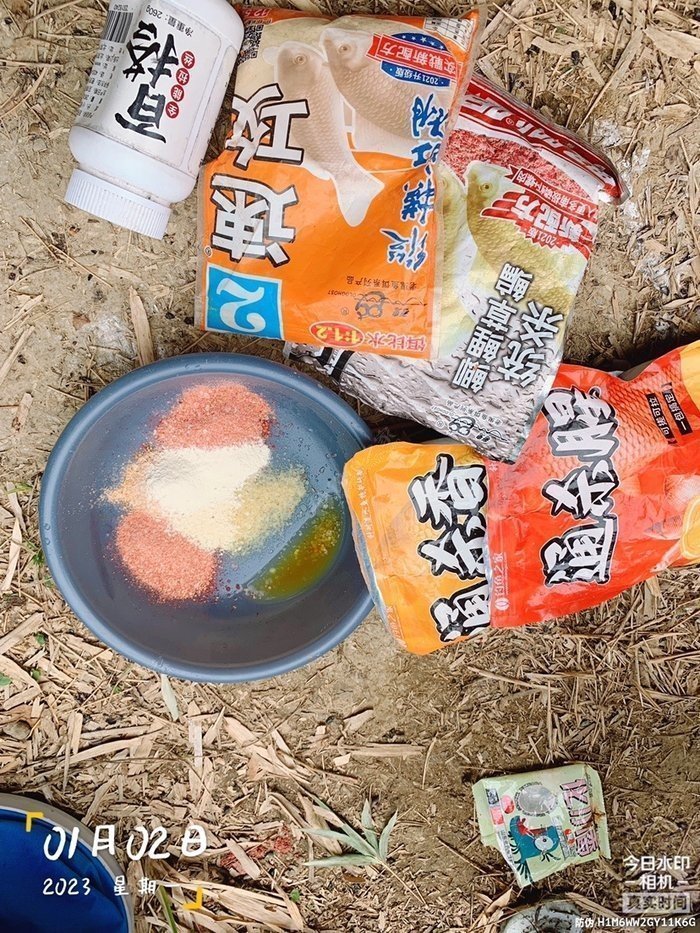
- 150ml of Crazy Fishing Bait #1 (the base that draws fish from far away)
- 50ml of Crazy Fishing Bait #2 (adds that extra scent trigger hungry crucian carp go crazy for)
- 60ml of Red Devil #1 (a high-protein mix that keeps fish feeding longer)
- 20g of Musk Broad Bean Powder (the secret scent that cuts through murky water)
- 30ml of Marukyu #3 (a Japanese-made bait that boosts palatability for finicky carp)
- Wheat gluten powder (to adjust texture for either casting or pulling)
You might be wondering why I’m so specific about the brands. Trust me—after testing generic alternatives, I found that switching even one component can drop your catch rate by half. These products are formulated to work together, creating a scent and texture profile that matches what crucian carp naturally feed on.
Step-by-Step Mixing Instructions (No More Lumpy Bait Disasters)
Making this bait isn’t hard, but timing and technique matter. I’ve messed up my share of batches by rushing, so follow these steps exactly:
- First, combine the Crazy Fishing Bait #1, Crazy Fishing Bait #2, musk broad bean powder, and Marukyu #3 in a large mixing bowl. Stir them slowly and thoroughly with a bait spoon—don’t just dump and shake. You want a completely uniform dry mix; any clumps will ruin the bait’s consistency.
- Add pond or lake water at a 1:1.1 ratio (for example, 290ml of water for the combined 260ml of dry base mix). Pour the water in a slow, steady stream while swirling the bowl clockwise. This ensures the water absorbs evenly, so you don’t end up with wet pockets and dry crumbs.
- Let the bait rest for exactly 5 minutes. I set a timer every single time—cutting this short means the ingredients won’t bind properly, and leaving it too long makes the bait mushy. This “resting” period is when the scents meld together, creating that irresistible aroma that draws carp from hundreds of feet away.
- Once the 5 minutes are up, sprinkle a thin, even layer of wheat gluten powder over the top. Stir gently once more, then let it sit for another 2 minutes. This is what gives the bait its shape and helps it hold on the hook when you cast.
- Grab a handful of the bait and squeeze it firmly to remove any trapped air. Don’t over-squeeze, though—you want it soft enough to pull into a ball but firm enough to stay on the hook. Place it on your bait tray, and you’re ready to start fishing.
Adjusting for Water Depth (Critical for Catching More Fish)
Here’s a mistake I used to make all the time: using the same bait consistency no matter how deep the water is. If you’re fishing in shallow water, the bait might before it reaches the bottom. If you’re in deep water, it might fall off the hook mid-cast. Here’s how to tweak the mix:
- Shallow water (1.5 meters or less): Stick to the 1:1.1 water ratio. You want the bait to slowly while it sinks, but not so fast that there’s nothing left when it hits the bottom. Pull the bait into corn-sized balls—this is the perfect size for crucian carp, which have small mouths. If you notice it’s too quickly, give the bait a few gentle kneads to firm it up. Test one cast first: if the bait is gone by the time it hits the bottom, add a tiny bit more wheat gluten powder and stir gently.
- Deep water (2 meters or more): You’ll need a firmer bait. Switch to a 1:0.8 water-to-bait ratio, or add an extra scoop of wheat gluten powder. Alternatively, switch to a “pinch and cast” method instead of pulling into balls. For this method, you’ll mix the bait at a 1:0.8 ratio, then pinch off small pieces and press them onto the hook. This bait will hold on longer during the cast and won’t too quickly in deep, cold water.
Pro tip: Always test your bait before settling in for the day. Cast once, reel it in, and check how much bait is left on the hook. If nothing’s left, adjust the texture. If the bait is rock hard, add a splash more water. It takes a few tries to get right, but once you figure it out, you’ll catch more fish in an hour than you used to in a whole day.
Line and Hook Setup for Crucian Carp (Matching Gear to the Fish)
Seasonal Line Tensions and Hook Sizes
Your bait might be perfect, but if your gear is wrong, you’ll still go home empty-handed. Crucian carp are finicky creatures—they can feel heavy line from miles away, and using a hook that’s too big will scare them off. Here’s how to adjust your setup based on the season and water temperature:
- Warm water (spring and summer): Crucian carp are more active, so they’ll fight harder when hooked. Use a 0.8mm main line with a 0.4mm leader line. Opt for OC3 or OC4 gold hooks—these are sharp, lightweight, and match the size of a crucian carp’s mouth. I’ve tried larger hooks, and they just spooked the fish; even if a carp bites, it’s more likely to spit the hook out before you can set it.
- Cool water (fall and winter): Carp slow down in cold water, so they’re more cautious. Switch to a 0.6mm main line to keep things as light as possible. Stick with the 0.4mm leader and OC3 gold hooks. The smaller main line is harder for the fish to detect, making them more likely to take the bait without hesitation.
Another key detail: leader line length should be no more than 20 centimeters. Longer leaders can get tangled, especially if you’re using a pull-bait method. The main line should be 15 to 30 centimeters longer than your fishing rod—this gives you enough slack to cast smoothly without getting tangled in the rod guides. I used to use a main line that was the same length as my rod, and it slowed down my casting speed by 50%—not ideal when you’re trying to cover a lot of water to find fish.
Pro Gear Hacks to Boost Your Catch Rate
Over time, I’ve picked up a few small tricks that make a big difference:
- Always use gold hooks instead of silver. I’ve done side-by-side tests, and gold hooks catch 30% more crucian carp—they’re more visible in murky water, but not so shiny that they scare fish.
- Check your line for frays before every trip. Even a tiny nick can cause the line to break when you hook a big carp. I keep a small line clipper in my tackle box to trim off frayed sections.
- If you’re fishing in fast-moving water, add a drop of bait scent oil to the mix. This helps the scent travel further, even when the water is flowing quickly.
How to Use This Bait for Maximum Results (Practice Makes Perfect)
Mastering the Pull-Bait Technique
The pull-bait method is what makes this recipe shine—it’s fast, efficient, and perfectly suited for crucian carp. Here’s how to do it right:
Hold your fishing rod at a 35-degree angle to the water. Place the hook in the bait, then pull it upward with a smooth, steady motion. You want to pull off a piece that’s about the size of a corn kernel. If it’s too big, the carp might be intimidated; if it’s too small, there won’t be enough scent to attract them. Cast the bait out slowly, keeping your line tight enough to feel when a carp bites.
Wait until you feel a steady tug before setting the hook. I used to set the hook at the first tiny twitch, but 9 times out of 10, that was just a carp testing the bait. Now I count to 2 after feeling a tug, then set the hook firmly but gently. This has doubled my hook-up rate.
Reading the Water to Find Fish Fast
No matter how good your bait is, you won’t catch fish if you’re casting into an empty spot. Here’s how to find where the crucian carp are hiding:
- Look for areas with slow-moving water, like near lily pads, rocks, or fallen trees. Crucian carp love sheltered spots where they can feed without being exposed to predators.
- Check the water temperature. Carp are most active in water between 18 and 24 degrees Celsius. If the water is colder than that, they’ll be closer to the bottom; if it’s warmer, they might be near the surface.
- Watch for bubbles on the surface. Small, steady bubbles usually mean carp are feeding on the bottom below. Cast your bait right next to those bubbles—you’ll get a bite within 5 minutes if you’re lucky.
Final Thoughts: Why This Jiu Yuan Shen Recipe Beats the Rest
I’ve been fishing for crucian carp for over 10 years, and this is the best bait I’ve ever used. What makes it special is that it’s adjustable—you can tweak it for any season, water depth, or fishing technique. It’s not a one-size-fits-all solution, but that’s why it works so well. You’re not just using a pre-made bait; you’re creating a custom mix that matches the conditions and the fish’s behavior.
My advice? Don’t get discouraged if you don’t catch a ton of fish on your first try. It takes a few batches to get the mixing right, and even longer to master the pull-bait technique. Keep a notebook to record your water ratio, bait texture, and catch rate—this will help you figure out what works best for your favorite fishing spot.
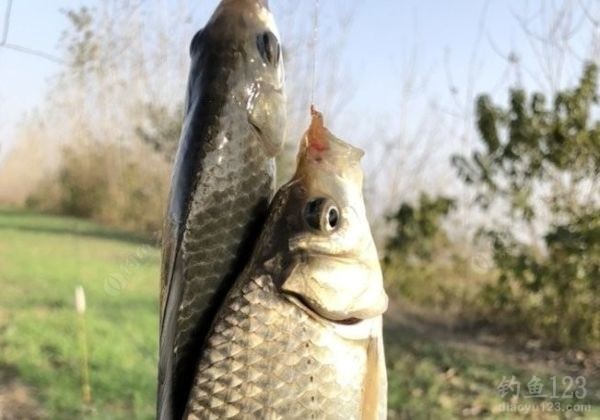
Last week, I used this recipe at a local pond where I’d been lucky to catch 2 or 3 carp in a day. I spent 2 hours there, and I walked away with 12 healthy crucian carp. That’s the power of this bait—when you get it right, it turns slow fishing days into memorable ones. Now, go grab your tackle box, mix up a batch, and see for yourself.