


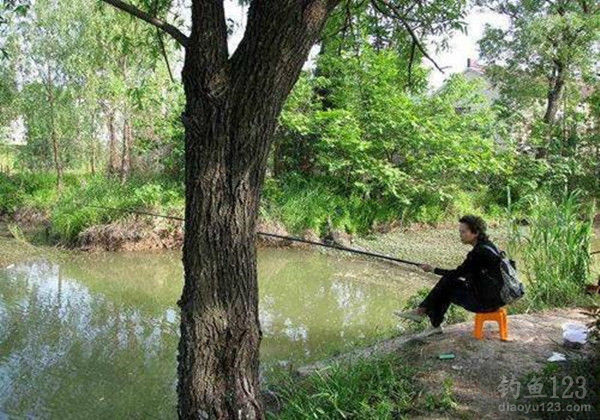

Wild Fishing for Small Fish: How Water Conditions Shape Fish Layers
Let me tell you-there’s nothing quite like grabbing my rod on a random afternoon and heading out to the water. No fancy gear, no pressure to land a monster carp (though I’d never say no to one!). Just me, a few hooks, and the quiet hope of hooking some feisty little fish: bluegill, sunfish, maybe a tiny bass if I’m lucky. But here’s the thing most new anglers miss: different waters mean different fish layers. And if you’re not paying attention to that? You’re gonna go home empty-handed more often than not. Trust me-I’ve learned that the hard way.
First, let’s get real: daytime carp fishing is a joke. Don’t @ me, but have you tried it? The shore’s packed with people yelling, dogs barking, kids splashing-carp are skittish as hell! They’ll bolt for the deep, murky middle before you even cast. So when I’ve got an hour free? I’m not chasing big carp. I’m targeting the little guys-they’re everywhere, and they don’t care if the world’s noisy. But even then? You gotta play their game. And their game starts with the water.

Fall Fishing for Small Fish: Why It’s (Almost) Impossible to Go Home Empty-Handed
Fall is my favorite season for small-fry fishing. The water’s cooling down, the fish are hungry, and if you play your cards right? You won’t see an “air force one” (aka zero fish) trip. Here’s my go-to routine-no fancy tricks, just what works:
Step 1: Pick the Right Spot (Grass = Gold)
First rule: fish where the fish hide. And for small fish? That’s almost always near weeds or lily pads. Why? Because that’s where their food lives-tiny bugs, larvae, even bits of plant matter. I’ll scan the shoreline for any patch of green, cast my line right at the edge, and wait. Last month, I found a tiny cove choked with milfoil-caught 12 bluegill in 20 minutes. No lie. Weeds are like a five-star restaurant for little fish. Don’t skip this.
Step 2: Bait = Simple (No Fancy Lures Needed)
You don’t need a $20 lure for these guys. I swear by two things:
- Worms: Duh. Dig a few up from your garden (or buy ’em at the bait shop-no shame). Hook ’em through the middle, let ’em wiggle. Small fish go crazy for that movement.
- Scented bait (like corn or dough balls): If worms aren’t working (rare, but happens), toss a tiny piece of sweet corn or a store-bought dough ball. The smell draws ’em in fast.
Pro tip: Use a small hook (size 8 or 10). Big hooks? You’ll either miss the bite or hook the fish in the side-no good. Keep it tiny, keep it simple.
Step 3: The Big Secret (Fish Layers = Water Quality)
Here’s where most anglers mess up. They cast, drop the hook to the bottom, and wait. But fish don’t all live on the bottom-especially if the water’s gross. Let’s break this down with two common water types:
Bad Water = Fish in the Middle/Top
What’s “bad water”? Think: murky, smelly, maybe a little green. Places where the bottom’s thick with muck-rotting plants, dead bugs, all that gross stuff. That muck rots and releases methane gas-it stinks, and it’s toxic for most fish. So where do they go? Up. Way up.
I learned this the hard way at a local pond last summer. The water looked brown, and when I waded in, I could smell that rotten egg smell. I cast to the bottom… nothing. For 30 minutes. Then I got frustrated, slid my float up 2 feet (so the hook was 1 foot under the surface), and bam-first bite in 10 seconds. Ended up catching 8 bluegill in the middle layer. Turns out, the bottom was so toxic, the fish couldn’t stay there. Duh!
How to spot bad water? Check these:
- Smell: If it reeks like rotten eggs or sewage? Bad.
- Color: Dark brown, pea soup green, or cloudy with no visibility? Bad.
- Muck: If you stir the bottom with a stick and it’s thick, black, and bubbly? Bad.

Good Water = Fish on the Bottom
“Good water” is clear (or at least not murky), no weird smell, and the bottom isn’t a sludge pit. Think: fast-moving rivers, clean lakes, or ponds that get regular water flow. In these spots? Small fish (like bluegill, crappie, even tiny bass) love hanging out on the bottom. Why? Because that’s where the food is-snails, insect larvae, and all the tiny critters that live in the sand or gravel.
Last week, I fished a small river near my house. The water was clear enough to see my hook when I cast. I dropped it to the bottom, and within 5 minutes, I had a 6-inch bluegill (okay, 2 inches-still cute). I stayed there for an hour, caught 10 more. All on the bottom. No need to mess with the float-just let it sit, wait for the tap-tap-tap, and set the hook.
New Water? Always Scout First (Don’t Be a Dummy)
Here’s the thing: every body of water is different. A lake that’s been dry for 10 years? Different than a pond that’s never been drained. A slow river? Different than a fast one. So when you hit a new spot? Don’t just cast-look first.
My routine for new water:
- Walk the shoreline. Look for weeds, rocks, or any structure (like fallen trees).
- Check the water. Stick your hand in (if it’s safe). Is it clear? Smell it-any weird odors?
- Test the layers. Start with the bottom (if water looks good). If no bites in 10 minutes? Slide the float up 1 foot. Try again. If still nothing? Another foot. Keep going until you get a bite.
I once fished a lake that looked “good” at first-clear water, no smell. But when I cast to the bottom? Nothing. So I slid the float up to 3 feet… and boom-bite. Turns out, the lake had a layer of muck just above the sand bottom (weird, right?). The fish were hanging out right above that muck. If I hadn’t tested the layers? I’d have gone home empty-handed.
Fishing = No Rules (Just Catch Fish)
Let’s be real: there’s no “perfect” way to fish. Some days, worms work. Some days, corn works. Some days, the fish are on the bottom. Some days, they’re jumping out of the water. The only rule? Do whatever gets you a bite.
Last month, I was fishing a pond that smelled a little off. I tried the middle layer-nothing. Tried the top-nothing. Then I got silly: I tied a tiny piece of bread to my hook, cast it to the top, and wiggled it. Within 2 minutes, a 3-inch bass (okay, 1-inch-still a win!) snatched it. My buddy laughed at me for using bread, but who’s got the fish? Me.
So here’s my final thought: stop overcomplicating it. Grab your rod, head to the water, and pay attention. Notice the smell, the color, the weeds. Test the layers. And if nothing works? Try something stupid. You never know what’ll catch a fish.
Oh, and one last thing: take a friend. Fishing’s way more fun when you’re laughing at each other’s bad casts (and celebrating the tiny wins). Last week, my buddy caught a bluegill so small, it looked like a minnow. We took a million photos. It’s not about the size-it’s about the day.


