


3 Game-Changing Rigging Methods for Fishing in Moving Water (River Current Hacks)
Let’s be real—nothing kills a fishing trip faster than hitting a spot with perfect weather, a great spot, and then BAM—you’re dealing with moving water. If you’re like me, you’ve probably stared at your bobber bobbing sideways like a lost duck, wondering why your bait’s halfway to the next county before a fish can even glance at it.
Weather? Check. Bait? Fresh. But current? Total game-changer. I’ve spent way too many weekends fumbling with rigs when the river’s moving faster than my coffee order on a Monday. So today, I’m spilling the 3 only methods you need to stop fighting the current and start catching fish. No fancy jargon, just what’s actually worked for me (and saved me from going home empty-handed more times than I care to admit).

First: Why Moving Water Is Such a Pain (And How These Methods Fix It)
Before we dive in, let’s get why current messes everything up. Fast water pushes your bait away from the strike zone, makes your bobber useless (hello, sideways float!), and even scares skittish fish. These 3 methods? They’re all about controlling your bait’s position—no more chasing it downriver. Each works for a different current speed, so you can pick the right one fast.
1. Light Current? Try the Swivel Bottom Rig (My Go-To for Slow Riffles)
This is my ride-or-die for days when the water’s moving just enough to make your bobber dance, but not enough to sweep it away. It’s simple, takes 2 minutes, and works for panfish, smallmouth bass, and even catfish. Let’s break it down:
Step-by-Step: Swivel Bottom Rig Setup
- First, no hooks—start with just your main line, swivel, and a weight. Push your bobber down so it’s below the water depth (so it’s not floating yet).
- Add enough weight to the swivel to sink the bobber completely (I use a small split shot or a tiny egg sinker—nothing too heavy).
- Now, slowly trim the weight until the bobber sits level with the water (or just 1 tiny eye peeking out—close enough).
- Slide the bobber up until it shows 2 eyes above the water. Now tie on your hooks—short leaders only! (Long leaders get swept away, trust me).
Pro tip: I once used a 12-inch leader and watched my bait get carried 10 feet sideways in 2 seconds. Switch to 6 inches? Game over—bait stayed right where I cast it. Short leaders = non-negotiable here.
What bites? When the bobber dips, then jumps up (that’s a fish picking up the bait) or goes black (fish is running). I’ve caught 3 bluegill in 10 minutes with this—no joke.

2. Medium Current? Add Weight to Your Leader (For When Light Rig Isn’t Enough)
So the first method’s failing? The current’s pushing your bait so hard the bobber’s leaning like a tired runner? Time to step up to the weighted leader rig. This adds just enough heft to keep your bait anchored, but not so much it looks like a rock.
How to Tie the Weighted Leader Rig
Start the same as the swivel method: no hooks, set your bobber to level with the water, then slide it up to 2 eyes. Here’s the twist:
- Take your longer leader (if you have 2 hooks, one’s always a bit longer—duh) and slide a tiny bead (or just wrap directly—beads help keep the weight from sliding) then add a tiny bit of lead (split shot works).
- Add just enough lead to sink the bobber completely (don’t overdo it—you want the bait to still move a little, not sit like a brick).
- Slide the bobber up until it shows 1 eye (less float = more weight holding it down).
Wait, why the longer leader? Because the extra length lets the shorter hook float a little, so it looks more natural. I tried this last month on a river with a slight current—caught a 12-inch catfish that hit so hard my rod almost went in the water. Worth every second of fumbling with split shot.
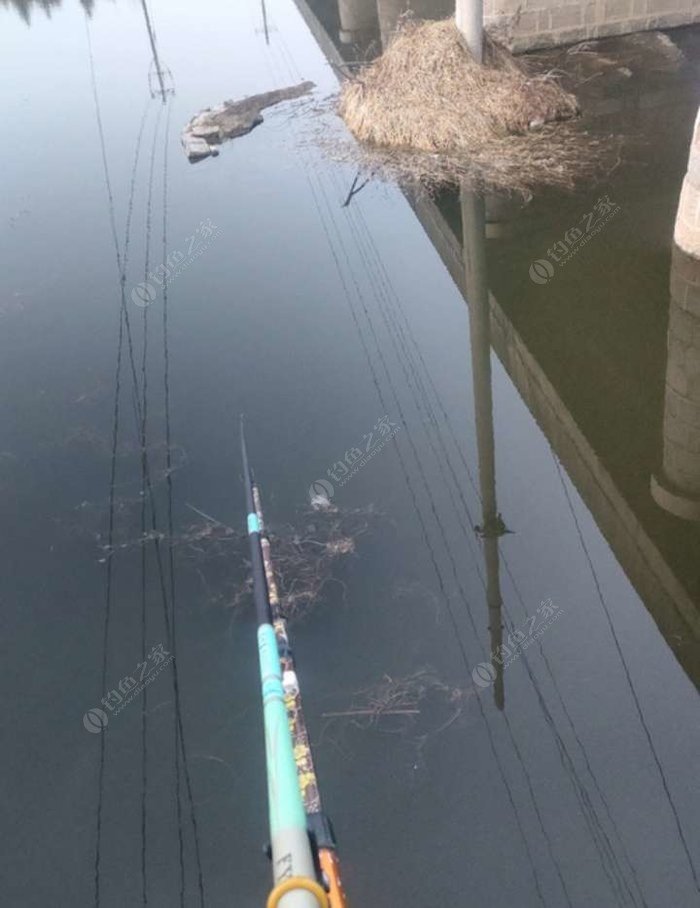
3. Heavy Current? Ditch the Bobber—Try the Muddy Water Rod Hold (For When All Else Fails)
Okay, let’s be honest: sometimes the current’s so fast your bobber’s gone in 3 seconds flat. I’ve been there—standing in a river where the water’s moving faster than I can walk, thinking “is this even fishing?” But here’s the secret: you don’t need a bobber.
This is called the “muddy water rod hold” (or whatever you want to call it—no fancy names here). Here’s how it works:
- First, find a slack spot—look for a back eddy (where the water curls back) or a spot behind a rock. That’s where fish hide from the current (smart little guys).
- Ditch the bobber. Tie on a heavy weight (I use a 1-ounce sinker—enough to not move, but not so heavy it gets stuck on rocks).
- Use a soft rod—stiff rods break when fish pull, and soft rods let you feel tiny bites. I use a 6-inch spinning rod—perfect for this.
- Cast into the slack spot, then hold the rod loose (not tight!). Watch the tip—if it bends, twitches, or dips? That’s a bite. Reel slow—don’t yank (you’ll lose the fish).
Bait tip: Use no-mist bait—pellets, dough balls that don’t fall apart, or worms (worms are magic, let’s be real). I once used a worm and caught 2 smallmouth in an hour—no bobber, just watching the tip. It’s crazy how well this works when everything else fails.

Quick Recap: Which Method for Which Current?
Don’t overcomplicate it—here’s a cheat sheet:
- Light current (bobber wiggles but stays near your spot): Swivel Bottom Rig
- Medium current (bobber leans sideways): Weighted Leader Rig
- Heavy current (bobber gone in 3 seconds): Muddy Water Rod Hold
Last month, I hit a river with 3 different current spots in one day. Used the swivel rig in the slow riffles (caught 5 bluegill), weighted leader in the medium current (1 catfish), and muddy water hold in the fast spot (3 smallmouth). Total win—no empty cooler.
Here’s the thing: these aren’t “pro secrets” or fancy gadgets. They’re just what’s worked for me when I’m tired of fighting the current. I still mess up sometimes—last week I added too much weight and my bait got stuck on a rock (oops). But that’s part of fishing, right?
Next time you’re out and the current’s ruining your day? Try one of these. And if you catch something crazy? Hit me up in the comments—I’d love to hear it. Tight lines, y’all!


