


Winter Carp Fishing with Drop Shot Rigs on Lakes: A Pro Angler’s Breakdown
Let’s be real—winter carp fishing sounds like a punchline to a bad joke. The water’s freezing, the wind’s howling, and those carp? They’re holed up deep in the lake like they’re hiding from a tax audit. Most anglers I know throw in the towel once the mercury drops, but me? I’m out there with my drop shot rig, catching more carp than a fast-food joint catches complaints. Stick around, and I’ll spill all my hard-earned tricks—no fancy jargon, just what works when the lake’s acting like a giant ice cube.
1. Weather & Timing: Stop Chasing Sunshine (It’s a Trap)
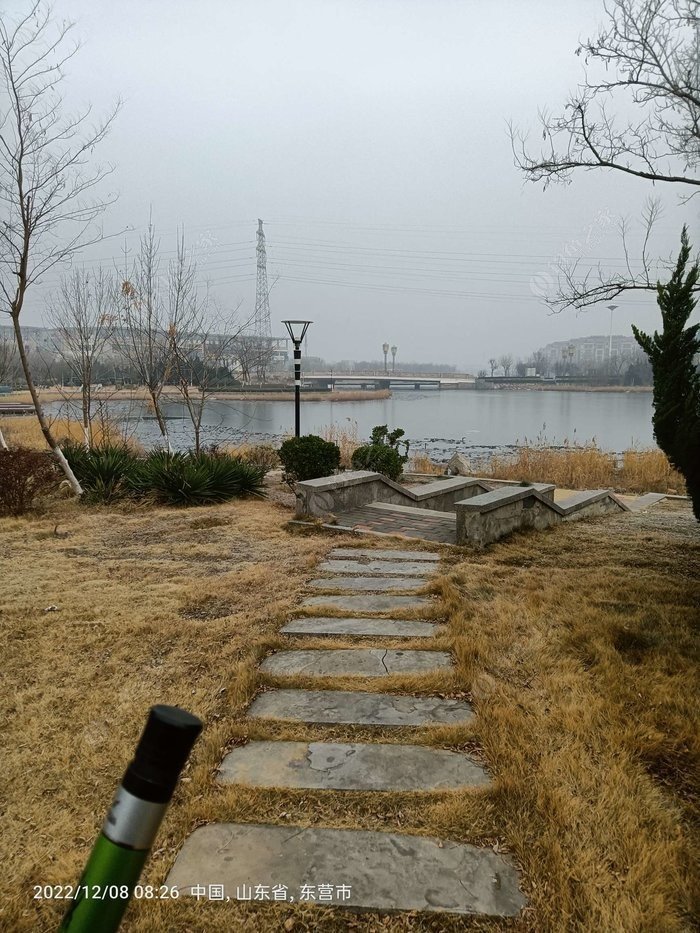
First rule of winter carp fishing: forget the “sunny day” hype. I’ve wasted so many weekends chasing bright skies, only to come home with a rod lighter than my ex’s excuses. Here’s the tea: light foggy overcast days are gold. The clouds keep the water temperature stable, and the fog diffuses light so carp don’t feel exposed. Sunny days? Nah, the water warms up too fast near the surface, making carp scatter like roaches when you turn on the lights. Plus, the wind—if it’s blowing harder than a TikTok trend, pack it up. Those carp hunker down so deep, your rig might as well be fishing for mermaids.
Timing: The “Sweet Spot” Window
You don’t need to be a morning person for this. Carp are slow to wake up in winter—think of them as teenagers on a Saturday. I hit the lake around 9 AM at the earliest. By then, the sun’s had a chance to take the edge off the cold, and the carp start inching up from their deep-water beds. But don’t overstay your welcome! By 5 PM, the temperature drops faster than my bank account after payday, and the carp bolt back to the depths. Plus, let’s be honest—fishing in the dark when it’s 30°F out is just masochism, not dedication.
2. Gear Up: Drop Shot Rig Setup That Actually Works
Let’s talk gear—because if you’re using the wrong stuff, you might as well be fishing with a stick and a paperclip. I’ve tested every combo under the winter sun, and here’s what sticks (pun intended):
Rod & Reel: Balance Over Bragging Rights
My go-to rod is 2.1–3.6 meters long—nothing shorter, nothing longer. A short rod can’t cast far enough to reach those deep carp, and a long, stiff rod? It’s like trying to fight a fish with a pool noodle—no feel, and you’ll miss half the bites. For the reel, grab a multi-bearing spinning reel that’s smoother than a TikTok dance. But here’s a pro tip: don’t fill the spool all the way. I learned this the hard way when my line tangled mid-cast like a toddler’s shoelaces. Leave a tiny gap at the top—trust me.
Line & Hooks: Go Thin, Not Tough
Thick line is winter carp fishing’s worst enemy. Carp have eyes sharper than a Karen at a grocery store, so they’ll spot a heavy line from a mile away. Here’s my setup:
- Main line: 3 lb test (light enough to be invisible, strong enough to pull in a 10-pounder)
- Drop shot leader: 1.5 lb test (even thinner, so carp don’t get spooked)
- Hook: Size 4 long-shank hook (perfect for threading on my secret bait—more on that later)
How Many Hooks on a Drop Shot? Spoiler: 4 is Magic
Everyone argues about this—3? 6? 10? Let me save you the headache: 4 hooks are ideal. Too many, and you’re casting like you’re throwing a brick (plus, untangling hooks from a net is worse than doing taxes). Too few, and you’re missing out on different water layers. 4 hits that sweet spot—covers shallow to mid-depth, casts easy, and netting is a breeze. You’re welcome.
3. Bait & Lures: Red Worms Reign Supreme (Sorry, Nightcrawlers)
Winter carp are picky eaters—think of them as food critics who only eat 5-star meals. Forget corn, forget bread—red worms are the MVP. They’re bright, wiggly, and packed with protein—like a carp protein shake. I’ve tried nightcrawlers, and they work… but red worms? I catch 3x more fish with them. No contest.
Pro Red Worm Hack: Keep ’Em Alive (and Fiery)
Here’s a trick I picked up from old-timers in my area: mix red worms with damp tea leaves and soil. Sounds weird, right? But it keeps them alive longer, makes their skin tougher (so they don’t fall off the hook), and gives them a bright red color that carp can’t resist. It’s like giving the worms a spa day—they look better, last longer, and catch more fish. Try it—you’ll thank me.
The Secret Weapon: Replace the Sinker with a Bait Box
Drop shot rigs are great, but they’re terrible at luring fish. So I made a tweak: ditch the sinker, add a small bait box (the kind used for float fishing for catfish). Fill it with musk-flavored millet mixed with carp bait—it acts as both a sinker and a chum bag. The bait slowly dissolves, releasing scent that draws carp from miles away. But wait—don’t overfill it. Too much bait makes the box heavy, and you’ll snap your rod tip faster than a bad selfie stick. Pro move: add a little flour to the mix—keeps it together longer in the water.
4. Fishing Tips: Find the Carp, Then Reel ’Em In
You can have the best gear and bait, but if you’re fishing in the wrong spot, you might as well be casting into a parking lot. Here’s how to outsmart those winter carp:
Scout First: Ask the Locals (They Know Stuff)
When I hit a new lake, I don’t just cast blindly. I find a local angler (or a guy cleaning his boat) and ask: “Where’s the deep water? Where do the carp hang out in winter?” Locals spill tea faster than a gossip blog—they’ll tell you about the old creek bed, the sunken tree, or the spot where the carp school like sardines. Then, I test both shallow and deep water—cast a few times, wait 10 minutes, and see where the bites are. Carp are creatures of habit—if they’re biting in 10 feet of water, don’t waste time in 20 feet.
Keep the Line Tight (No Slack, No Fish)
This is non-negotiable. Winter carp bite soft—like a baby’s first kiss. If your line is slack, you’ll miss the bite entirely. Keep it tight so when a carp nibbles, the hook sets itself (thanks to the rod’s flex). I’ve lost count of how many fish I’ve caught just because the line was taut. Slack line = sad angler. Tight line = fish for dinner.
Bells or No Bells? Depends on How Lazy You Are
I’m a purist—if I have 1-2 rods, I don’t use bells. I just watch the rod tip like a hawk. But if I have 3+ rods (hello, winter fishing marathon), bells are a lifesaver. Just make sure they’re not too loud—you don’t want to scare the carp or annoy the guy fishing 10 feet away. Pro tip: tie the bell to the rod tip, not the reel—you’ll feel the bite faster.
Final Thoughts: Winter Carp Fishing Isn’t for Wimps (But It’s Worth It)
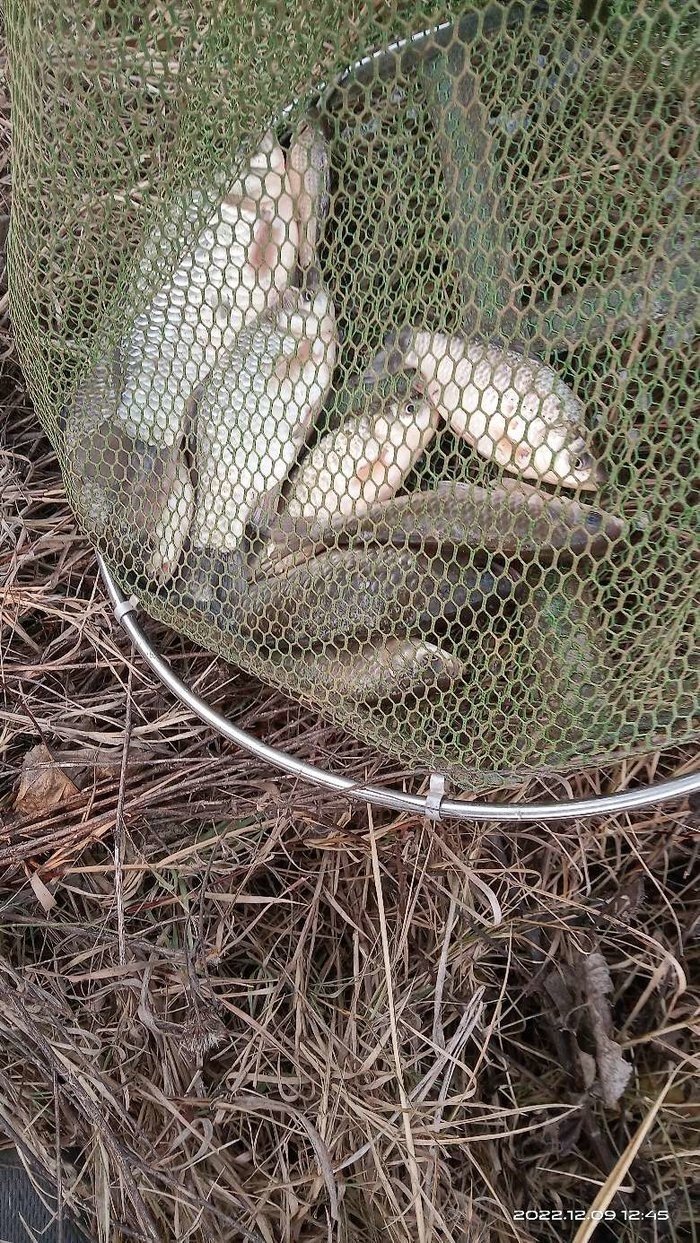
Let’s be clear—winter carp fishing isn’t easy. You’ll freeze your fingers off, your coffee will get cold faster than a politician’s promise, and you might go home empty-handed once in a while. But when you pull that first carp out of the ice-cold water? It’s better than any trophy. I’ve had days where I caught 15 carp, and days where I caught zero… but every time I’m out there, I’m not thinking about work or bills—I’m just fishing. That’s the magic of it.
Next time the weather app says “cold” and your friends say “stay home,” grab your drop shot rig, some red worms, and head to the lake. You might just surprise yourself. And if you do catch a big one? Tag me—I’d love to see it. Tight lines, and stay warm!
