How to Choose the Best Fishing Spots for Tilapia: A Pro Angler’s Breakdown
Let’s be real—tilapia (also called “St. Peter’s fish” or “Nile perch” in some spots, though wait, no, that’s a different one—oops, my bad!) are the ultimate freshwater workhorses. They breed like crazy, grow fast, eat just about anything, and can survive in water that’d make most other fish bail. But here’s the catch: they’re cold-blooded drama queens when it comes to temperature. Below 55°F (13°C)? Forget it—they’ll start gasping like fish out of water. That’s why you’ll only find them thriving in the southern U.S. (think Florida, Texas, Hawaii), parts of Mexico, and warm spots worldwide. And their sweet spot? 77–95°F (25–35°C). So if you’re chasing tilapia, first rule: don’t waste time in cold water. Duh, right?
First Things First: When & Where to Even Look for Tilapia
Before we dive into spots, let’s nail the basics. In warm regions, the golden window for tilapia fishing is from early spring (when water hits 60°F) to late fall (before it drops below 60°F). But here’s a pro tip: after a light rain or on a sunny day post-storm? Chef’s kiss. The water gets a little murky (not gross muddy), oxygen levels spike, and tilapia go nuts for food. Also, skip super clear water—they hate feeling exposed. Aim for water that’s pale yellow, orange-yellow, or greenish. If you can barely see your lure 6 inches down? Perfect.
Why Structure = Tilapia Real Estate
Tilapia are total homebodies—they love hiding spots. Think underwater chaos: rock piles, weed beds, sunken tree stumps, even old tires (yes, really). Why? Those spots trap food (insects, algae, tiny fish) and give them a place to dart if a heron or bass shows up. Also, check out narrow channels between two landmasses—those are like tilapia buffets. The current pushes food their way, and the sides hide them from predators. I once fished a spot between two mangrove islands in Florida, and we caught 12 tilapia in an hour. No joke.
Food Sources = Guaranteed Hot Spots
If tilapia can get a free meal, they’ll camp there. So keep an eye out for:
- Fish feeders in ponds (duh, the owner dumps food here daily—tilapia are glued)
- Nearby duck or goose coops (their waste is tilapia catnip)
- Old fishing spots where people always cast (leftover bait = easy snack)
2
I once fished a small pond near a farm where they fed ducks every morning. The spot 10 feet from the coop was so crowded with tilapia, we could barely cast without hooking one. Just don’t be that guy who crowds the feeder—leave some room for the fish to breathe (and for other anglers, obviously).
River & Stream Tilapia: Slow It Down
Okay, let’s talk moving water. Tilapia hate fast currents—they’re not built for fighting whitewater. So in rivers, look for:
- Slow-moving sections near sandbars (shallow, warm, full of bugs)
- Behind rocks or small dams (the water calms down here—tilapia chill out)
- After rain: shallow, slow areas where the water’s dropping (fish get trapped here)
Pro move: If the water’s murky, fish 3–49 inches (1–1.5 meters) deep. If it’s clear, let your lure drift with the current—tilapia will chase it. But skip super fast stretches (like rapids) and areas where the river’s reversed (weird, but some spots do that)—you’ll almost always get skunked there. I learned that the hard way once—wasted 2 hours in a fast section, caught zilch.
Lake & Pond Tilapia: Stick to the Shallows
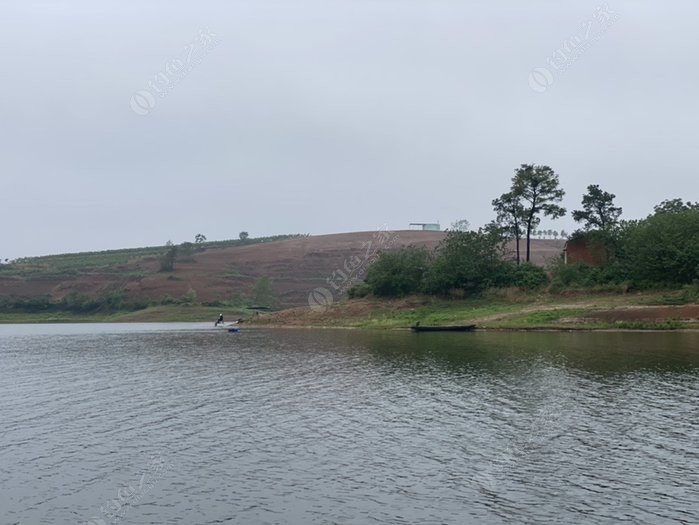
Lakes and ponds are tilapia playgrounds, but they stick to the edges—never deep water (unless it’s super hot, but even then, shallow is better). Look for:
- Shallow coves with weeds (tilapia dig holes in the mud here to hide)
- Small ditches connecting ponds (fish move through these to find food)
- Under bridges or near docks (shade + structure = tilapia hangout)
- Where livestock waste drains into the water (gross, but tilapia love it)
Water depth? 1–3 feet is perfect. I once fished a pond with a 6-foot (20-meter) deep middle—zero tilapia there. But the 1-foot shallow edge? Caught 8 in 2 hours. Also, if there’s a light wind blowing toward the shore? Even better—wind pushes food to the bank, so tilapia follow.
Pro Tips for Tilapia Fishing (Beyond Spots)
Okay, spots are half the battle—let’s cover the other half so you don’t go home empty-handed.
Gear That Actually Works
You don’t need fancy stuff for tilapia. Here’s what I use:
- Rod: 1–13 foot (3.6–4.5 meter) hand rod (light, easy to cast in shallow water)
- Line: Regular monofilament (6–8 lb test is fine—tilapia aren’t big fighters)
- Hook: Small size 8–10 (I prefer Octopus hooks—they’re easy to set)
- Bait: Corn (canned, sweet corn is my go-to), worms, or even bread (soak it in water so it doesn’t fall off)
Pro tip: If you’re fishing a pond where they feed commercial food, use that same food as bait. Tilapia are creatures of habit—they’ll ignore your corn if they’re used to pellets. I once tried corn in a pond that fed pellets, caught nothing. Switched to pellets, caught 5 in 3 hours. Game changer.
How to Fish Once You Find the Spot
Tilapia are picky eaters—they’ll nibble, spit it out, then come back. So don’t yank the rod when you feel a bite. Wait for the float to sink slowly (that’s when they swallow it). Also, if the water’s cold (below 70°F), fish the bottom—tilapia stay low. If it’s hot (above 85°F), they might float up to the middle of the water column—try a floating bait.
And for the love of all things fishing—wear gloves. Tilapia have sharp spines on their backs that’ll stab you faster than you can say “tilapia.” I once got stabbed so bad, my hand swelled up for 2 days. Now I use a thick cloth to grab them or wear cut-resistant gloves. Don’t be me—learn from my pain.
My Go-To Tilapia Spot (That Never Fails)
Okay, let’s get personal. I have a secret spot in a small Florida pond near my grandma’s house. It’s 2 feet (7 meters) from the shore, 2 inches (55 cm) deep, has a bunch of lily pads, and is right next to a duck coop. Every time I go there (early morning, after a light rain), I catch at least 10 tilapia. Last month, I took my little cousin there—she caught her first fish ever (a 1.1 lb tilapia! Wait, no, tilapia are usually 1–17 oz (300–500 g)—that was a big one!). She was so excited, she named it “Bubba.” We released it, but still—best day ever.
So here’s the thing: tilapia aren’t rocket science, but they do have their quirks. Pay attention to the water temperature, look for structure and food, and don’t overcomplicate your gear. And if you find a spot that works? Keep going back—tilapia are loyal. Just don’t tell too many people… okay, fine, share the tips, but keep your secret spot secret. 😉