How to Bait a Sea Rod for Fishing: Expert Tips for Perfect Bait Placement
Let’s be real-how many of you have stood on the shore with a sea rod, stared at that massive expanse of water, and thought, “What’s the point of throwing bait? My hook’ll never land where the bait is anyway!” Yeah, I’ve been there too. It feels like trying to hit a pinata blindfolded in a football stadium. But here’s the thing: that big water is exactly why you need bait. Fish are scattered like confetti at a parade, and without something to draw them in, you might as well be casting into a ghost town. So, let’s dive into the nitty-gritty of how to bait a sea rod effectively-no more wasted casts, no more empty coolers.
Why Baiting Matters for Sea Rod Fishing
First off, let’s crush that myth: “Bait doesn’t work for sea rods because the water’s too big.” Wrong! Think about it: if you’re fishing in a lake or ocean, fish have miles of space to roam. They’re not just hanging out waiting for your hook to drop. Bait creates a “food zone” that screams, “Hey, free snacks over here!” Without it, your chances of catching anything beyond a curious seaweed strand are slim. Plus, baiting helps you target specific areas-like a drop-off, a reef, or a spot where you’ve seen fish before. So, even if your hook isn’t dead-center, the scent and sight of bait will guide fish to your line. Trust me, it’s worth the effort.
4 Proven Methods to Bait a Sea Rod
Now, let’s get to the good stuff: how to actually get that bait where it needs to go. There are a few ways to do this, and which one you choose depends on your setup, location, and how much effort you’re willing to put in. Let’s break ’em down.
1. Hand-Tossing Bait: The Quick and Dirty Method
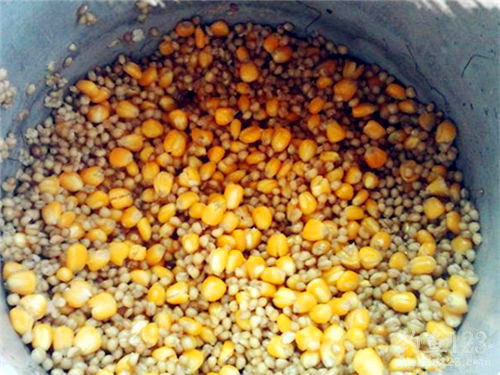
Hand-tossing is the OG of baiting-simple, no extra gear, and perfect for beginners. Here’s how it works: grab a handful of bait (think breadcrumbs, corn, or small pellets), ball it up, and hurl it into the water. Easy, right? But here’s the catch (pun intended): hand-tossed bait doesn’t go very far. We’re talking maybe 10-15 feet max. So, if you’re fishing from the shore and your target area is 50 feet out, this method won’t cut it. Also, you need to toss multiple times-like 5-10 times-to create a decent bait zone. One toss is like putting a single chip on a table and expecting a crowd to gather. Not gonna happen.
Pro tip: If you want to throw farther, grab a long-handled spoon. Scoop up some bait, swing it back, and fling it like you’re playing cricket. It’s not rocket science, but it works. Just don’t hit your buddy in the head-speaking from experience, that’s a quick way to end a fishing trip.
2. Swimming to Bait: For the Adventurous Angler
Okay, this one’s for the daredevils. If you’re fishing in warm water (hello, summer!) and you can swim, why not take the bait directly to the fish? Grab a bucket of bait (more than you’d hand-toss-think a few pounds), wade or swim out to your target spot, and dump it in. This method lets you place bait exactly where you want it, even in deeper water. Plus, you can cover a larger area than hand-tossing. But a word of caution: check the water conditions first. If there are strong currents, big waves, or (gulp) sharks, skip this method. Safety first, fish second.
3. Using a Boat to Deliver Bait: The VIP Treatment
If you’ve got access to a boat, kayak, or even a inflatable raft, you’re in luck. This is the most effective way to bait a sea rod, especially for big trips. Here’s why: you can carry massive amounts of bait (we’re talking 50+ pounds of corn, pellets, or bread), drop it exactly where you want it, and cover a huge area. I once went on a week-long fishing trip to a reservoir with a group of friends. We brought 100 pounds of corn and used a small boat to spread it over a 100-square-foot area. By day three, we were catching fish left and right-bass, catfish, even a few pike. It was like a fish buffet, and we were the chefs.
Bonus: Using a boat saves time. Instead of tossing bait 20 times, you can drop a whole bucket in one go. Just make sure you’re allowed to use a boat in your fishing spot-some areas have restrictions.
4. Hook-Baiting: The Most Popular Method
Ah, hook-baiting-the method 90% of sea rod anglers use. Here’s how it works: take a bait (like worms, shrimp, or a bait ball) and attach it to your hook. Then, cast your line as far as you can. The bait will sink to the bottom (or float, depending on what you’re using) and attract fish. But wait-there’s a right way and a wrong way to do this. Let’s avoid the wrong way, shall we?
First, choose the right bait. For sea rods, you want something that’s durable and has a strong scent. Worms are classic, but shrimp, squid, and even hot dogs (yes, hot dogs!) work well. If you’re using a bait ball (like groundbait mixed with bread), make sure it’s not too sticky. Sticky bait won’t disperse in the water, so it won’t attract fish. You want it to break apart slowly, releasing scent and small particles that fish can follow.
Second, size matters. A small bait might get ignored, especially if you’re targeting bigger fish. Go for a bait that’s about the size of your thumb-big enough to be seen, but not so big that it’s hard to cast. If you’re using a bait ball, make it golf-ball sized or larger. The bigger the ball, the more scent it releases, and the more fish it draws in.
Third, cast strategically. Don’t just fling your line anywhere. Aim for areas where fish are likely to hang out: near rocks, reefs, drop-offs, or where the water depth changes. If you’re fishing from a boat, use a fish finder to locate schools of fish, then cast your bait right on top of them. And don’t be afraid to cast multiple times-5-10 casts in the same area will create a “hot spot” that fish can’t resist.
Common Mistakes to Avoid
Even with the best methods, it’s easy to mess up. Let’s talk about the mistakes I’ve made (and seen others make) so you don’t have to.
- Using the wrong bait: If you’re fishing for bass, don’t use corn-they prefer worms or minnows. Do a quick Google search or ask a local bait shop what’s working in your area.
- Baiting too little: A single handful of corn won’t cut it. You need to create a zone, not a snack. Aim for at least a pound of bait per spot.
- Casting randomly: Without a target, you’re wasting time. Use landmarks (like a tree, a buoy, or a rock) to aim your casts. Consistency is key.
- Ignoring water conditions: If the water is murky, use brightly colored bait or bait with a strong scent. If it’s clear, go for natural-looking bait.
Final Thoughts: Baiting is a Game-Changer
At the end of the day, baiting a sea rod isn’t rocket science, but it does require some thought and effort. Whether you’re hand-tossing, swimming, boating, or using a hook, the goal is the same: create a food zone that attracts fish and keeps them there. And remember, patience is your best friend. Sometimes it takes 30 minutes for the bait to work its magic, so don’t pack up after the first 10 casts.
I once spent an entire morning hand-tossing corn into a cove. By noon, I hadn’t caught anything, and I was ready to give up. But I decided to stick around, had a sandwich, and cast a few more times. An hour later, my rod bent like a bow-turns out, a school of catfish had finally found the bait. I caught three that afternoon, and let me tell you, that sandwich tasted a lot better with fresh fish for dinner.
So, next time you’re out with your sea rod, don’t skip the bait. Try one of these methods, experiment a little, and see what works. You might just be surprised at the results. And hey, if all else fails, at least you’ll have a good story to tell (and maybe a sunburn to show for it).