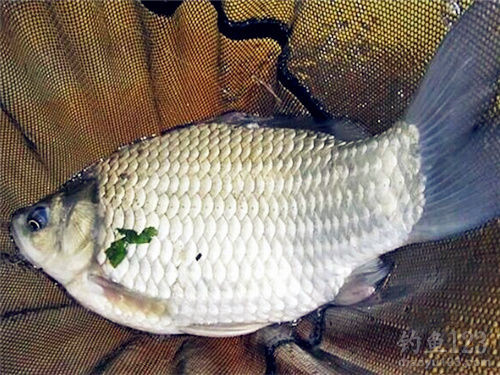
Top 10 Natural Baits for Catching Grass Carp (Anglers’ Favorite Picks)
Let’s be real—grass carp can be tricky. They’re not just chowing down on anything that hits the water. As an angler who’s spent way too many weekends chasing these guys in wild lakes and rivers, I’ve learned one hard truth: store-bought baits? Sometimes they flop. But natural baits? The stuff they actually eat in their habitat? That’s where the magic happens. This isn’t just some random list—these are the 10 baits my fishing buddies and I swear by, tested in every season from early spring to late fall. Let’s dive in!

Why Natural Baits for Grass Carp? (Spoiler: They’re Way Better)
First off, let’s get one thing straight: grass carp are picky. Like, “I only eat the exact type of leaf that grows right here” picky. If you show up with a fancy commercial bait that doesn’t match what they munch on daily? You’ll be sitting there watching them splash around without a bite. Natural baits? They’re familiar. They smell like home. And the best part? You don’t have to spend a fortune—most of these you can grab right from your backyard or the shoreline. Let’s break down the secret sauce here:
- They’re habitat-matched: Grass carp stick to what’s growing where they live. Grab a leaf from the same bush they’re grazing on, and boom—immediate interest.
- Seasonal sense: Early spring? They’re craving protein (hello, worms!). Summer? Leafy greens all the way. Fall? They bulk up on hearty plants. We’ll cover that too.
- No fancy gear needed: Most of these baits just need a hook and a little know-how—no fancy grinders or preservatives.
The 10 Game-Changing Natural Baits (Tried & Tested)
Enough chit-chat—let’s get to the good stuff. Each bait has a step-by-step hook setup (because even the best bait flops if you rig it wrong) and pro tips from my own fishing fails (trust me, I’ve messed up enough to know).
1. Rolled Cabbage Leaves (Super Easy, Super Effective)
Okay, hear me out—cabbage might sound boring, but grass carp go crazy for tender cabbage hearts. Here’s how I do it:
- Grab the innermost, softest leaves from a cabbage (no tough outer stuff—they’ll spit that out).
- Snip off any hard stems, then lay the leaf flat. Roll it tight from the tip to the stem end (like a burrito, but for fish).
- Cut the roll into 3–5 inch chunks (bigger chunks for bigger carp).
- Hook time: Stick the hook through one end of the roll (about 1 inch in), then push it out the other side. Make sure the hook tip and barb are showing—this keeps the roll from unspooling. Pro move: Use the barb to press the outer layer of the roll down so it doesn’t fall apart mid-cast.
Pro tip: I once forgot to snip the hard stem on a cabbage leaf, and the carp just nibbled around it for 10 minutes before giving up. Don’t be me—trim those stems!
2. Bundled Tender Grass (Perfect for Big Carp)
This is my go-to for summer when the shoreline is covered in long, thin grass (think crabgrass or young reed shoots). Here’s the trick:
- Grab a handful of tender grass (about 0.3–0.5 inches thick—thicker for bigger carp).
- Tie one end with a small piece of fishing line (don’t use too tight—you need to hook through it).
- Hook it: Use a long-shank hook (trust me, regular hooks fall out). Push the hook through the tied end, then wrap the loose grass around the hook and tie the other end with line. Snip the ends so they’re even, leaving about 1 inch from the hook—this hides the hook totally.
Fail story: First time I tried this, I used a tiny hook and the grass bundle fell off mid-cast into the lake. Now I only use long-shank hooks—game changer.
3. Grass Knots (Great for Slow Bites)
Same grass as the bundle, but tied into a knot—this keeps the bait compact so carp can’t nibble bits off without hooking themselves. Here’s how:
- Take 3–4 long grass blades (8–10 inches works) and tie a loose overhand knot (don’t pull it tight yet).
- Push your hook through the center of the knot (this is key—if you hook the outside, it’ll fall apart).
- Pull the knot tight around the hook, then snip the ends to 1 inch from the knot. Done!
Pro tip: This works best in slow-moving water—fast current will tear the knot apart. I use this in backwaters when the carp are being extra lazy.
4. Duckweed (Wait, Duckweed? Yes—Hear Me Out)
Okay, duckweed is that tiny green floating stuff that covers ponds. Grass carp love it because it’s everywhere in their habitat. Here’s how to rig it (it’s weird, but it works):
- Scrape a handful of duckweed into a clump (about the size of a quarter).
- Use a small hook (size 8–10) and wrap the duckweed around the hook—don’t squeeze too hard, you want it to float a little.
- Cast it gently so the clump stays together. Wait for the duckweed to disappear—then set the hook!
Weird win: Last spring, my buddy used this when nothing else worked. He caught 3 carp in 20 minutes—we still tease him about “fishing with pond slime.”
5. Lettuce Leaves (Crunchy, Fresh, Irresistible)
Lettuce is a classic, but you have to do it right—lettuce is super brittle, so if you mess up the hook, it’ll fall apart. Here’s my method:
- Grab fresh, crisp lettuce leaves (iceberg works, but romaine is better—tenderer).
- Fold the leaf 3–4 times (don’t overfold—too thick and the carp will spit it out).
- Hook horizontally through the leaf veins (the thick lines—this is the strongest part). Don’t hook the thin parts—they’ll tear.
Fail: I once folded a lettuce leaf 10 times thinking “more is better.” The carp took one bite and the whole thing fell off. Stick to 3–4 folds—trust me.
6. Young Reed Shoots (Grass Carp’s Absolute Favorite)
Reeds grow along almost every lake shoreline, and grass carp go nuts for the tender tops. Here’s how to rig this (it’s a bit tricky, but worth it):
- Snip 8–10 inch pieces of young reed shoots (the light green, soft ones—avoid the woody brown ones).
- Use a long-line hook (the extra line helps hide the hook). Push the hook through the older end (the bottom of the shoot) about 1 inch in, then wrap the line around the shoot 2–3 times.
- Push the hook out the other end (1 inch from the tip). This hides the hook totally—when the carp bites the reed, they can’t help but hook themselves.
Win story: Last summer, I used this in a lake where reeds were everywhere. I caught a 1-pound carp on my first cast—my buddy still asks for the “reed secret” every time we fish.
7. Live Crickets (Protein Powerhouse for Spring)
Early spring, grass carp are starving for protein after a cold winter. Crickets are perfect—they’re alive, wiggly, and carp can’t resist. Here’s how to hook ’em (so they stay alive longer):
- Grab a live cricket (size medium—bigger ones are too hard for carp to bite). Snip off their back legs first—they’ll jump off the hook otherwise (learned that the hard way).
- Hook through the chest (not the head or belly—this keeps them alive 5–10 minutes longer).
- Cast to the shoreline where carp are grazing—they’ll see the wiggling cricket and zoom over.
Pro tip: Don’t use dead crickets—carp can tell the difference. I once used a dead cricket and the carp just swam around it like it was poison.
8. Dead Grasshoppers (Great for Fall)
Fall is when grasshoppers start dying off, and carp love snacking on them. Here’s how to rig ’em (simple, but effective):
- Grab a dead grasshopper (fresh—no squished ones). You can find them on the ground in late summer/early fall.
- Hook through the head and out the tail (or vice versa—doesn’t matter). Make sure the hook is covered.
- Cast to shallow water—carp love picking these off the bottom in fall.
Weird fact: I once found a grasshopper stuck in my tackle box for 2 days (dead, but not smelly) and used it. Caught a 8-pound carp—so don’t worry if they’re a little dry!
9. Small Frogs (For Big Carp Hunters)
Okay, this one is for the big boys—if you’re chasing 15+ pound carp, small frogs are your secret weapon. Here’s how to rig (be gentle—frogs are squishy):
- Grab a small frog (1–2 inches—bigger ones are too hard for carp to swallow). Use a live one if you can (they wiggle better).
- Hook through the back legs (not the body—this keeps them alive longer). Don’t push the hook through the belly—they’ll die instantly.
- Cast to deep water near lily pads—carp hide there and love snacking on frogs.
Pro tip: I once used a frog that jumped off the hook mid-cast into the water. The carp chased it for 10 seconds before eating it—so even if they jump, they still work!
10. Green Caterpillars (The “Wow, That Worked?” Bait)
Last but not least—green caterpillars. I found this by accident last year when a caterpillar fell into my bait bucket. Here’s how to rig:
- Grab a green caterpillar (3–4 inches long—bigger ones for bigger carp). Avoid fuzzy ones—carp don’t like the texture.
- Hook through the head (if it’s small) or wrap 2–3 caterpillars together with line and hook through the bundle (for bigger carp).
- Cast to areas with lots of plants—caterpillars fall into the water there, so carp are used to them.
Win story: That accidental caterpillar? I caught a 12-pound carp on it. Now I always keep a few in my bucket (just in case).
Seasonal Tips (Because Timing Is Everything)
Here’s the thing: even the best bait flops if you use it in the wrong season. Let’s break down what works when (from my own trial and error):
Early Spring (March–April)
Carp are coming out of hibernation—they want protein. Stick to crickets, small frogs, or even worms (if you’re out of crickets).
Late Spring (May–June)
Plants start growing—use tender grass knots, rolled cabbage, or duckweed. This is when they start grazing on greens.
Summer (July–August)
Hot weather—carp are in shallow water grazing. Use reed shoots, lettuce, or bundled grass. The more green, the better.
Fall (September–October)
Carp are bulking up for winter—use dead grasshoppers, green caterpillars, or small frogs. They want hearty, calorie-dense food.
Final Thought: Go Local!
Here’s the biggest secret I’ve learned after years of fishing: the best bait is the one that grows right where you’re fishing. If the shoreline is covered in dandelion leaves? Try those instead of cabbage. If there are tons of water lilies? Use lily pads. I once fished a lake where the only thing growing was water celery—used that, and caught 4 carp in an hour. You don’t need fancy stuff—just pay attention to what’s around you.
What’s your go-to natural bait for grass carp? Drop a comment below— I’m always looking for new tricks. And if you try any of these, tag me in your catch photos—I’d love to see ’em!