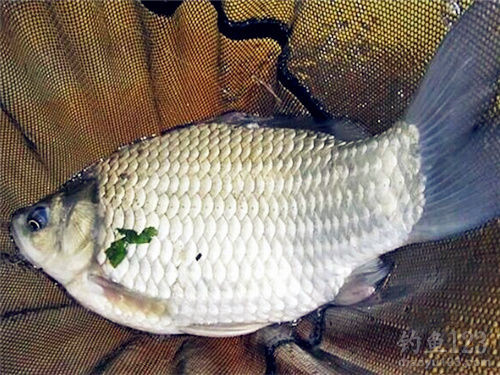
Proven Patterns for Catching Grass Carp: My Years of Fishing Insights
Let’s be real—grass carp can be tricky. I’ve spent more weekends than I care to admit staring at a still float, wondering why these finicky fish won’t take the bait. But after years of logging catches, testing tactics, and getting schooled by old-timers, I’ve finally cracked the code. These aren’t just random tips—they’re patterns I’ve seen play out again and again. If you’re tired of going home empty-handed, stick around. I’m spilling everything I know.
When to Fish for Grass Carp: Timing is Everything
First rule of thumb: grass carp are creatures of habit. Miss their window, and you might as well pack up early. Let’s break down the best times to drop your line.
Seasonal Gold: May to September is Prime Time
Forget winter. Grass carp turn into cold-blooded couch potatoes when temps drop. But once May rolls around and the water warms up? Game on. I’ve caught my biggest grass carp (a 12-pounder that nearly pulled my rod into the lake!) during this stretch. And here’s the kicker: rainy days are way better than sunny ones. I used to think clear skies meant good fishing—nope. Those overcast, drizzly afternoons? The carp go crazy. Last summer, I sat through a light rain for three hours and landed four fish over 8 pounds. Sun out? Barely a bite. Go figure.
Daily Rhythms: The Sweet Spots of the Day
Not all hours are created equal. Here’s what I’ve observed:
- Summer (June-August): Dusk is king. I’ve had more success in the 30 minutes before sunset than any other time. Early morning (sunrise) works too, but dusk? It’s like the carp set an alarm to feed. Last July, I got to the lake at 6:30 PM, set up, and had a bite within 10 minutes.
- Spring/Fall: Mid-morning (9-11 AM) and mid-afternoon (3-5 PM) are your best bets. And don’t sleep on noon! I used to avoid midday, but on cool spring days, the carp love soaking up the sun and feeding around 12-1 PM. Just find a spot with some shade if it’s too hot.
Temperature: The Secret Trigger for Bites
Grass carp are total temp snobs. Get this right, and you’re halfway there. Here’s the data from my logs:
The Perfect Temp Range: 25–30°C (77–86°F)
When the water’s between these temps? The carp are active, hungry, and ready to bite. Drop below 20°C (68°F) or climb above 30°C (86°F)? Forget it. I once fished a day in August when the water hit 32°C—zero bites. Not even a nibble. And when it’s too cold? They just hover at the bottom, ignoring everything. Save your gas for days when the forecast says the water’s in that sweet spot.
Watch the Daily Temp Swing
Another thing: if the temperature changes more than 12°C (22°F) between day and night? The carp get skittish. Last spring, we had a 15°C swing—from 10°C at night to 25°C during the day. I fished for four hours and didn’t catch a thing. The old-timers told me the carp can’t adjust that fast. Makes sense. If your AC went from 60 to 80 in an hour, you’d be grumpy too.
Wind: The Exception to the Rule
Wait—wind changes everything! I used to hate windy days, but now? I pray for 2–5 mph winds. Why? Wind mixes the water, adding oxygen. More oxygen = more active carp. I’ve had my best days with 4–5 mph winds using a sea rod (more on that later). Just make sure you’re using the right setup—you don’t want your line getting tangled in the wind.
Bait: Stop Overcomplicating It—Go Local and Coarse
This is the mistake 90% of new anglers make: they buy fancy, expensive baits. Save your money. Grass carp eat what’s around them. Here’s what works:
The #1 Rule: Use Local, Coarse Bait
Grass carp are creatures of habit. If the pond owner feeds them vegetable scraps, oil cake, or wheat bran? Use that. I once tried a fancy “grass carp special” bait from the store—zero bites. Then I grabbed some leftover cabbage from my fridge, chopped it up, and caught three fish in an hour. Why? The carp were used to eating cabbage scraps from the farm next door. Duh.
Ferment It for That Sour Kick
Here’s a pro tip: grass carp love sour bait. If you’re using wheat or corn, let it ferment for a day or two. The sour smell drives them crazy. I once fermented some corn in a jar with a little sugar water—left it in the sun for 24 hours. The next day, I dumped it in the water, and within 10 minutes, I had a bite. Just don’t let it go moldy—gross, and the carp won’t touch it.
Big Beds, Frequent Refills
Grass carp are big eaters, and small fish will steal your bait fast. So make a big bed—like a handful of bait, not a tiny pinch. Then refill it every 30 minutes. I once forgot to refill, and by the end of the hour, the small fish had eaten everything. No more bites. Now? I set a timer on my phone. Works like a charm.
Rigs: The Right Hook for the Job
You can have the best bait in the world, but if your rig is wrong? You’ll miss every bite. Here’s what I use:
Sea Rod: String Hooks for Distance
Sea rods are perfect for fishing far from the shore. I use string hooks (multiple hooks on one line) because they act like a mini bed. Just don’t use too many hooks—3–4 is enough. And don’t overload the bait. A few boiled wheat grains or one corn kernel per hook is all you need. Too much bait, and the carp will nibble around it, not take the hook.
Hand Rod: Single Hook for Close Quarters
For fishing close to the shore (under 20 feet), use a hand rod with a single hook. I use a 6-foot rod or longer—grass carp fight hard, and a short rod will break. The line should be a little longer than the rod (so you can cast farther). When you hook a big one, don’t yank—let it tire itself out. I once tried to yank a 10-pounder in, and the line snapped. Ouch.
Hook Bait: Keep It Simple
When you’re hooking bait, less is more. For corn: stick the hook through the side, so the tip sticks out 2–3 mm. Wiggle it a little so the corn moves—grass carp love that. For wheat: 2–3 grains per hook. Don’t cover the hook tip—if the carp can’t feel the hook, it won’t take it. I once covered the tip with a big chunk of bread, and the carp just ate the bread and left the hook. Dumb mistake.
Reading the Float: Don’t Miss the Bite
Grass carp have weird bite signals. If you don’t know what to look for, you’ll miss it. Here’s what I’ve learned:
- Float Goes Flat (Level): This is a sure sign. The carp has picked up the bait and is holding it in its mouth. Lift the rod—you’ve got a fish.
- Float Moves Sideways (Drifting): Even better! The carp is swimming with the bait. This means it’s not suspicious—you’re almost guaranteed a catch.
- Float Sinks Fast (Black Float): This works too, but wait a second. Sometimes the carp is just testing the bait. Let it sink a little, then lift. I once lifted too fast on a black float and missed—lesson learned.
- Float Dances (Tiny Wiggles): Don’t lift! This is small fish nibbling. Wait until the float does one of the above. I’ve wasted so many casts lifting on tiny wiggles. Ugh.
Grass Bait: Use What’s Already in the Pond
Grass carp love grass—duh. But here’s the catch: you can’t just throw any grass in the water. You have to use grass that’s already in the pond, or throw a bunch of grass in first to attract them. I once tried using lawn grass from my yard—zero bites. Then I grabbed some pond grass from the edge, threw a handful in, and within 15 minutes, a carp was eating it. Then I hooked a piece of the same grass and caught it. Magic.
Animal Bait: Only Use It in the Right Spots
Wait—grass carp eat bugs? Yep! Oil beetles, grasshoppers, and crickets work great. But only in farm ponds. In wild ponds? Small fish will steal them before the carp can get to them. I once used a grasshopper in a wild pond—caught three small sunfish, no carp. Waste of time. But in my friend’s farm pond? I caught a 9-pounder with a grasshopper in 10 minutes. Go figure.
So there you have it—all the patterns I’ve learned over years of chasing grass carp. It’s not rocket science, but it’s about paying attention. Next time you go fishing, try one of these tips. Let me know how it goes—I’d love to hear your stories. And if you catch a big one? Send me a pic—I’m always jealous of a good catch. Tight lines!