Homemade Fermented Fishing Bait Recipe with Okara and Cornmeal: Catch More Carp & Grass Carp!
Let’s be real—if you’ve ever spent hours at the lake, staring at a still bobber while your tackle box is stuffed with store-bought baits that cost a fortune, you know the frustration. I used to be that guy: loading up on every “guaranteed catch” lure, flavor enhancer, and fancy dough bait, only to go home empty-handed (and single-handedly causing my partner to side-eye my “hobby” budget). But then I stumbled on homemade fermented bait—and my fishing game changed forever. Today, I’m spilling the beans on my go-to recipe: okara (that’s soybean pulp, for the uninitiated) and cornmeal fermented bait that’s a total fish magnet. Let’s dive in!
Why Homemade Fermented Bait Beats Store-Bought (Trust Me, I’ve Tested)
Before we get to the recipe, let’s talk why this stuff works better than the shiny packages at the bait shop. Store-bought baits often have preservatives, artificial flavors, and a one-size-fits-all vibe. Fish? They’re not dumb. They’ve seen every chemical-laden dough bait under the sun. Homemade fermented bait? It’s natural, smells like something they actually eat in the wild, and the fermentation process creates those umami-rich scents that carp and grass carp go crazy for. Plus, it’s cheap—like, way cheaper than dropping $10+ on a small jar of bait every time you hit the water.
My “Why I Switched” Story (Spoiler: No More Airplane Homecomings)
Last summer, I planned a 3-day fishing trip to my favorite lake. I dropped $45 on “pro-grade” carp bait, packed my gear, and drove 2 hours… only to sit there for 8 hours straight without a single bite. My partner (who’s not a fan of my “fishing-induced silence”) was this close to banning my rods. I went home, moped, and then found a random forum post about okara cornmeal fermented bait. Desperate, I gathered the ingredients, mixed ’em up, and let ’em ferment for 3 days. Next trip? Caught 2 carp and 4 grass carp in 6 hours. No joke. I still have the photos (and a very happy partner who now lets me buy more tackle—win-win).
What You’ll Need: The Exact Ingredients for This Fermented Bait Recipe
First off, let’s list out everything you need. No weird, hard-to-find stuff here—most of this is either in your kitchen or at the local grocery store. Pro tip: Okara is the pulp left over from making tofu or soy milk. If you don’t make your own, check Asian markets—they usually sell it cheap, or you can even ask a tofu shop for their scraps (they’ll often give ’em away for free!).
Ingredient List (No Fancy Gear Required)
- 750 grams of okara (soybean pulp)
- 500 grams of cornmeal (regular yellow cornmeal works—no need for fancy organic)
- 75 grams of white sugar (plain table sugar is fine; honey works too, but sugar is cheaper)
- 200 grams of toasted white flour (toast it in a pan until it’s golden—trust me, the nutty smell drives fish wild)
- 10 grams of active dry yeast (the same stuff you use for bread—don’t overthink it)
Quick Notes on Ingredients (Don’t Skip These!)
Wait, why toasted flour? Because raw flour smells… well, like raw flour. Toasting it adds a deep, nutty aroma that fish can’t resist. And the yeast? That’s what makes the fermentation happen—turning the sugars into those irresistible scents that travel through the water. Oh, and don’t use instant yeast—active dry needs to be mixed in, and it works better for this slow fermentation process.
Step-by-Step: How to Make This Fermented Okara & Cornmeal Bait
Okay, let’s get cooking (well, fermenting). This is super easy—no fancy skills required. Just follow these steps, and you’ll have bait that’s ready to go in a few days.
Step 1: Mix & Steam the Base
First, grab a big bowl and mix the okara and cornmeal together. You want ’em fully combined—no clumps of cornmeal or dry okara. Then, dump the mixture onto a steaming tray (or a colander over a pot of boiling water—just make sure it’s not touching the water). Steam it for 20 minutes. Why steam? It cooks the cornmeal a little, which helps the yeast do its thing later, and it softens the okara so everything mixes smoothly.
Pro tip: Set a timer—don’t walk away and forget about it! I once steamed mine for 30 minutes and it turned into a mushy mess. 20 minutes is perfect.
Step 2: Cool It Down (No Hot Yeast Allowed!)
Once the steaming is done, pour the mixture into a large, clean bowl. Let it cool down to room temperature—this is CRUCIAL. If you add the yeast to hot mixture, you’ll kill it, and nothing will ferment. I usually let mine sit for about an hour—stick your finger in it to check (it should feel warm, not hot).

Step 3: Add the Sweeteners, Toasted Flour, & Yeast
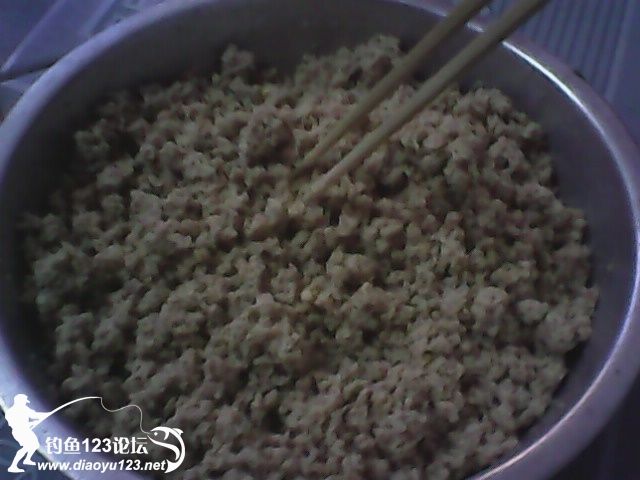
Now, add the sugar, toasted white flour, and yeast to the cooled mixture. Stir everything together until it’s fully combined—you want the yeast to be evenly spread out so fermentation happens everywhere. Then, knead it into a firm dough. It should hold together when you squeeze it, but not be too sticky. If it’s too sticky, add a little more toasted flour; if it’s too dry, add a splash of warm water (just a little—go slow!).
Step 4: Ferment It (The Magic Step!)
Now, it’s time to let the yeast work its magic. Grab a clean plastic bucket or jar (I use a 5-gallon bucket with a lid that’s not airtight—you need a little air flow for fermentation). Put the dough in the bucket, and seal the lid loosely (don’t make it airtight—fermentation produces gas, and you don’t want the bucket to explode). Let it sit in a warm, dark place for 3-5 days. I keep mine in my garage—away from direct sun, and at a temperature between 70-80°F (21-27°C). That’s the sweet spot for yeast activity.
How do you know it’s done? It’ll smell sour (but in a good way—like fermented bread or pickles), and you’ll see little bubbles on the surface. If it smells rotten or moldy, toss it—you messed up (probably too much water or not enough yeast).
How to Use This Fermented Bait: Catch More Carp & Grass Carp
Okay, your bait is ready—now what? This stuff is super versatile. Here’s how I use it:
As a Carp Bait (My Favorite Use!)
Carp go crazy for this stuff. I usually break off a small piece (about the size of a quarter) and mold it around my hook. The fermentation scent travels through the water, and carp will swim miles to get to it. Pro tip: If you’re fishing in a lake with lots of carp, use a little more bait (size of a golf ball) to make it last longer on the hook.
As a Grass Carp Bait
Grass carp love the sweet, nutty flavor of this bait. I’ve caught a few 20-pound grass carp using this—no joke. Just mold a small piece around the hook, and cast it near lily pads or other vegetation (grass carp love hanging out there).
As a Spod Mix or Groundbait
If you’re using a spod rod (for carp fishing), you can crumble the fermented bait and mix it with a little water to make a spod mix. It’ll release the scent into the water, drawing fish to your hook. You can also use it as groundbait—toss a handful into the water every 30 minutes to keep the fish coming.
As a Sea Rod Bait (Surprise! It Works Here Too)
I’ve even used this as sea rod bait for catfish and other freshwater fish. Just mold a larger piece around the hook, and cast it out. The fermentation scent is strong enough to travel through the water, even in deeper spots.

Pro Tips to Make This Bait Even Better
I’ve been making this bait for a year now, and I’ve picked up a few tricks to make it even more effective. Here’s what I do:
Add a Little Garlic (Optional, But Game-Changing)
Sometimes, I add a minced clove of garlic to the mixture before fermenting. Carp HATE garlic? Wait, no—wait, actually, some carp love it! I’ve noticed that adding garlic makes the bait catch more carp in lakes where there’s lots of fishing pressure. Just don’t add too much—one clove is enough (too much garlic will make the bait smell like a pizza, and fish might avoid it).
Let It Ferment Longer for Stronger Scent
If you’re fishing in a lake with murky water, let the bait ferment for 5 days instead of 3. The longer fermentation makes the scent stronger, so it can travel through the murk better. Just keep an eye on it—if it starts to mold, toss it.
Store It Right (Don’t Ruin Your Hard Work)
Once the bait is fermented, you can store it in the fridge for up to 2 weeks. The cold will slow down the fermentation, so it won’t go bad too fast. If you’re not using it for a while, you can also freeze it—just thaw it in the fridge before using (don’t microwave it! That will kill the scent).
Final Thoughts: Why This Bait Changed My Fishing Life
Look, I’m not saying you should throw away all your store-bought baits. But if you’re tired of going home empty-handed, or if you want to save money, this homemade fermented okara and cornmeal bait is a game-changer. It’s easy to make, cheap, and the fish can’t resist it. I’ve caught more fish with this bait than I ever did with all my fancy store-bought stuff combined.
Last week, I took my 10-year-old nephew fishing with this bait. He caught his first carp (a 12-pounder!) in 15 minutes. He’s now obsessed with fishing, and asks me every weekend to make more bait. That’s the best part—this bait isn’t just about catching fish; it’s about making memories. And hey, if it keeps my partner happy (and lets me buy more tackle), that’s a bonus.
So go ahead—grab the ingredients, mix ’em up, and let ’em ferment. Next time you hit the water, you’ll be the one with the full cooler (and the jealous looks from the other anglers). Let me know how it goes—tag me in your fishing photos, and tell me what you caught!