When to Go Fishing: Reading the Sky for Yellowfin Bream, Fighting Mullet, and Catching Crabs
Okay, let’s be real—some days you wake up and just know the fish are biting. No fancy apps, no complicated charts, just a gut feeling mixed with a little sky-reading magic. That’s exactly what happened to me last weekend. I had zero plans to hit the water, but when I stepped outside and saw that perfect cloudy, windless sky? I threw caution to the wind (literally, since there was none) and headed to my go-to spot—even if it meant risking a “kneel on durian” punishment at home (don’t ask, my partner’s a tough one). My mission? Redeem myself after a brutal “zero catch” day there two days prior. Spoiler: It was way better than I expected.

Step 1: Sky Gazing = Fishing Success? Let’s Test It
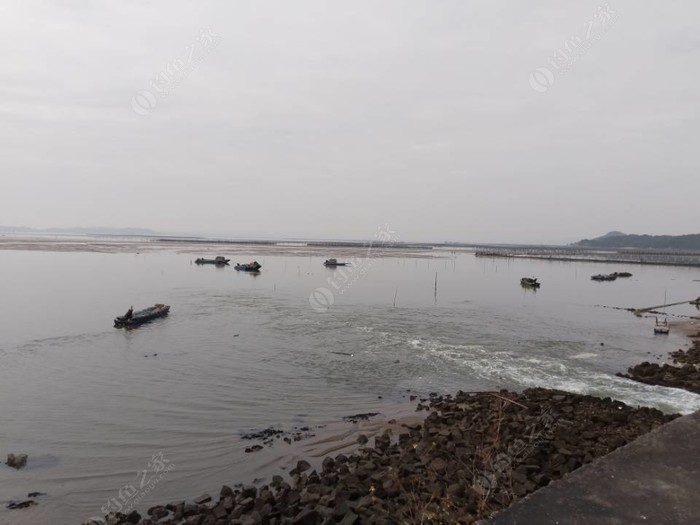
First things first—let’s talk about the sky. That morning, it was overcast with scattered clouds, and not a single breeze. From past trips, I’ve learned this combo is gold for almost any fishing style: reservoir, river, or estuary. No harsh sun means fish don’t hide deep, and no wind means your bait stays right where you want it. I’ve had days with clear skies where the fish just vanished, so this was my green light.
Setting Up: Testing Old Bait to Crack the “Why Did I Fail Last Time?” Mystery
I set up my first rod with leftover bait from my last failed trip. Why? To prove a point: Was my last “zero” because the bait was bad, or the weather? I figured if I got a bite right away, the weather was the culprit (which it totally was). While I was rigging my second rod, my float sank—fast. I grabbed the rod, lifted, and boom—a 3-ounce yellowfin bream was airborne. Bait? No problem. Weather? Big problem last time. Win for sky-reading!

Midday Action: Bream, Broken Lines, and the One That Got Away
By midday, the tide was rising, and fish were biting on and off. I’d landed a few more bream, so “zero” was off the table—thank goodness. Then, chaos hit: My second rod (rigged with a “running sinker” for quick bites) had its float shoot up. I dropped everything, grabbed the rod, and pulled—nothing? Wait, that’s weird. I reeled in, and my line was snapped between the float and leader. Turns out, I’d used 0.4mm braided leader (super strong), so the main line took the hit. I knew right away: That was a big mullet—at least 5 pounds. Ugh, the one that got away hurts.
Waiting for the Bite to Come Back
Losing a big fish kills the bite, right? Yep. My spot went dead. I rebaited, added more chum, and waited. And waited. And waited. Finally, after what felt like forever, the float moved again. I waited a beat (never rush a mullet bite!) then lifted. Whoa—huge resistance. But just 3 seconds later, it was gone. All I got was two tiny scales. Double ugh. Note to self: Next time, use a stronger main line for mullet season.

Tide Shift Magic: Finally Landing That Mullet
I fixed my broken rod, re-rigged with the same running sinker setup, and waited for the tide to shift. Here’s the thing about my spot: No current = no bites. So when the tide hit the “slack” phase (no flow), I knew I’d be waiting hours. Two hours later, my float started drifting—current was back! I rebaited, cast, and boom—float down. Lifted, and this time? A black bream (different from yellowfin, but still a win). Then, a few casts later, the float popped up. I waited, lifted, and that familiar pull—mullet! I stood up, arched my rod, and fought it for 60 seconds. Finally, it landed in my net. That was my first mullet of the day—and my third ever at this spot. Yes!

More Mullet, More Fun (Until I Messed Up)
From past trips, I know: If you get one mullet, more are coming. I rebaited, cast, and another mullet hit. Smaller, but still a fight. Then, a third! I was on a roll. But here’s my mistake: After the third mullet, I added a big chum ball. Why? Because I wanted more. But wait—tide was shifting again, and current was slowing. Fish hate extra chum when they’re not feeding. Sure enough, the bite died. Oops. Note to self: Don’t overdo it when the current slows.

Bonus: Catching Crabs on the Way Home
When I packed up to leave, I walked past the tide gate and saw something shiny: green crabs—the good kind! I dropped my gear, grabbed my net, and spent 30 minutes chasing them along the shore. Ended up with 6. Score! I almost didn’t leave, but my partner was probably wondering where I was (and if I’d forgotten the durian punishment). Time to head home.
The Final Haul: What We Got
Back home, I cleaned the catch: 5 mullet and 3 pounds of yellowfin bream. Not huge, but perfect for a few meals. I froze some to share with friends, and the crabs? I put them in saltwater to keep alive overnight. Tomorrow’s dinner: Green crab with egg noodles. Yum.

My Takeaway: Sky Gazing Isn’t Just “Voodoo”—It Works
Let’s be honest: I love bream, but mullet fights? That’s the good stuff. And catching crabs on the way home? Bonus. But the real win? Proving again that weather matters. My last “zero” was because the sun was blaring and wind was howling. This day? Cloudy, calm, and fish were everywhere. So next time you see that perfect sky? Drop everything. Even if it means a durian kneel. (Okay, maybe not always, but you get the idea.)
What’s your go-to sky sign for fishing? Drop a comment below—I’d love to hear. Until next time, tight lines!