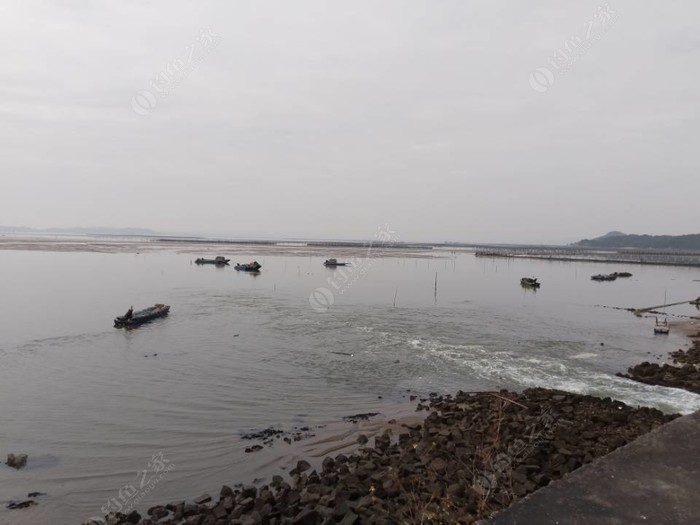
River & Stream Fishing Tips: How to Catch More Fish in Moving Water
Okay, let’s cut to the chase—fishing in rivers and streams is NOT like fishing in a calm lake. If you’ve ever tried it and gone home empty-handed, I feel your pain. I used to cast my line into a fast-moving current, watch it zip downstream, and wonder why not a single fish even glanced at my bait. Spoiler: I was doing everything wrong. But after years of trial and error (and more than a few sunburns), I’ve figured out the secrets to landing fish in moving water. Let’s break it down—no fancy jargon, just real talk from someone who’s been there.
First, Let’s Understand the Vibe of River & Stream Fishing
Before we get to the “how to,” we need to get the “why it’s different.” Moving water has a personality—wild, unpredictable, and full of surprises. Here’s what you need to wrap your head around first:
- Water that never stops moving: Currents shift, depths change with rain or drought, and that “quiet spot” you fished last week might be a rapid this weekend. Adapt or die (well, go home fishless).
- Fish that love the current: These aren’t lazy lake fish! River fish (like minnows, chub, dace, and even bigger guys like catfish or bass) are built to fight the flow. They’re faster, more aggressive, and always on the hunt for food that washes downstream.
- Tricky terrain: Rocks, logs, underwater caves—oh my. The riverbed is a maze, and fish hide in the nooks and crannies. Miss those spots, and you’ll be casting into empty water all day.
Step 1: Pick the Right Spot (This Is Make-or-Break)
Let’s be real—you can have the best bait in the world, but if you’re fishing in a spot where no fish hang out, you’re wasting time. Here are the river and stream hotspots I swear by:
1. Backwater Bends (The Lazy Hangout)
You know those calm, curved spots where the water slows down? That’s a backwater bend. Why do fish love it? Two words: food and rest. All the debris, bugs, and tiny fish get swept into these bends, so it’s like a free buffet. Plus, the slow current lets fish chill out instead of fighting the flow 24/7. I’ve caught more chub and dace here than anywhere else—just don’t forget to cast close to the bank (fish love hiding near the edge).
2. Weeds & Big Rocks (The Natural Hideout)
If you see a patch of weeds in 1-2 feet of water, or a cluster of big rocks underwater, STOP. That’s prime real estate. Weeds trap food, and rocks create tiny eddies (slow spots) where fish can hide from predators. Last summer, I found a rock pile in a small stream and caught 5 bass in 20 minutes—no joke. Just be careful not to snag your line on the rocks (I’ve lost so many lures this way… ugh).
3. Caves & Crevices (The Secret Hideout)
Got a stream with rocky banks? Look for small caves or gaps between rocks—especially the ones facing the current. Fish (like trout or catfish) love these spots because the current brings food right to their door, and they can dart out to grab it. I once fished a tiny cave in a mountain stream and pulled out a 12-inch trout—total shocker, but totally worth it.
4. Shallow Flats (Springtime Gold)
“Spring fishing shallow” isn’t just a lake rule—it’s gospel for rivers. When the water warms up in late spring/early summer, fish head to shallow flats to spawn and eat. Look for spots near where people wash clothes or feed ducks (yes, really)—those areas have extra food floating around. Last May, I fished a shallow flat near a duck pen and caught 8 smallmouth bass in an hour. Game. Changer.
5. Deep Pools (Summer/Winter Survival)
When it’s hot (summer) or cold (winter), fish head for deep pools. Why? Deep water stays cooler in summer and warmer in winter—perfect for avoiding extreme temps. In summer, I’ve caught big catfish here at night (they get active when it’s dark). In winter, the deep pools are where all the big carp and bass hang out. Just remember: deep water means you need a heavier sinker to get your bait down.
6. Confluence Zones (The Food Highway)
Where two rivers meet, or where fast water hits slow water? That’s a confluence zone. It’s like a food truck rally for fish—all the nutrients from both currents mix here. I once fished a spot where a small stream met a big river and caught 10+ fish in 30 minutes. Pro tip: Cast your bait right where the two currents meet—fish are waiting there to ambush food.
Step 2: Bait & Tackle That Actually Works
Okay, so you found the perfect spot—now what? Let’s talk bait and tackle, because using the wrong stuff is a surefire way to go home empty-handed.
Tackle Basics (No Fancy Gear Needed)
You don’t need a $500 rod for river fishing—just a few basics:
- Rod: A 6-7 foot spinning rod (light to medium power) works great. It’s flexible enough to handle fast currents but strong enough to reel in bigger fish.
- Line: 4-8 lb test monofilament. It’s cheap, easy to handle, and works in most rivers.
- Sinkers: You’ll need them! Fast currents will sweep your bait away unless you add weight. Use split shot sinkers (small ones for shallow water, bigger ones for deep pools).
- Hook: Size 8-12 for small fish (minnows, chub), size 4-6 for bigger fish (bass, catfish).
Bait That Fish Can’t Resist
Fish in rivers are picky—they want food that looks natural. Here’s what I always keep in my tackle box:
- Worms: Duh. Nightcrawlers or red worms work for almost every river fish. Just hook ’em through the middle so they wiggle naturally.
- Corn: Yes, canned corn! Carp, chub, and even bass love it. It’s cheap, easy to carry, and stays on the hook better than worms in fast water.
- Flies (For Fly Fishing): If you’re into fly fishing, use small, flashy flies (like a Adams or a Hare’s Ear). Fish in rivers love chasing bugs that fall into the water.
- PowerBait (For Trout): If you’re targeting trout, PowerBait (the neon colors) works like magic. Just mold a tiny ball around the hook—trout can’t resist it.
Step 3: Casting & Retrieving Like a Pro
Casting in moving water is different—you can’t just cast and wait. Here’s my go-to method:
- Cast upstream: Let your bait drift downstream with the current. This mimics natural food (like bugs or tiny fish) that washes downstream. Perfect for backwater bends or shallow flats.
- Twitch your rod: Every few seconds, give your rod a tiny twitch. This makes your bait look like it’s struggling—fish love that!
- Set the hook fast: When you feel a tug, don’t wait—set the hook immediately. River fish are fast, and they’ll spit out your bait if you hesitate.
Pro tip: If you’re fishing in fast water, let your bait sit on the bottom for 10-15 seconds before reeling. Fish often hide on the riverbed, waiting for food to float by.
Real Talk: Mistakes I Made (So You Don’t Have To)
Let’s be honest—we all mess up. Here are the biggest mistakes I made when I started river fishing:
- Not using enough weight: I used to cast my line without a sinker, and it would just float downstream. Duh—add weight! Split shot sinkers are your friend.
- Fishing in the middle of the current: Most fish hide near the banks or in slow spots, not in the fast middle. I once spent 2 hours casting into the middle of a river and caught nothing—then moved to the bank and caught 3 fish in 10 minutes.
- Ignoring the weather: If it’s pouring rain, the river will be muddy—fish can’t see your bait. Wait for a dry day, or fish in clear spots. If it’s super hot, fish will be in deep pools—don’t waste time in shallow water.
Final Thoughts: It’s All About Having Fun
At the end of the day, river fishing isn’t about catching a ton of fish (though that’s nice). It’s about being outside, listening to the water, and enjoying the moment. I’ve had days where I caught zero fish but had the best time—hiking to a hidden stream, watching birds, and just being away from the chaos of life. And when you do catch that big one? It’s like hitting a home run. Worth every sunburn and lost lure.
So grab your rod, pack some worms (and maybe a snack), and head to the nearest river. Try these spots, use the right bait, and don’t get discouraged if you don’t catch anything at first. River fishing is a skill—you’ll get better with time. And hey, if all else fails, just enjoy the view. The river doesn’t care if you catch a fish or not—it’s just happy to have you there.