

4-Hour Fishing Battle: Guess My Total Catch (Plus Pro Tips for Tricky Conditions)
When Your Fishing Plan Goes Off the Rails (Thanks, Rising Water!)
Let me start by saying: it’s been way too long since I shared a fishing trip update, and today’s adventure was chaotic, frustrating, and totally worth it—so I had to spill the details. I woke up ready to chase my favorite target: tasty little horse mouth fish. I mapped out the spot, grabbed my gear, and hit the road with visions of stringing up a nice haul of those feisty swimmers.
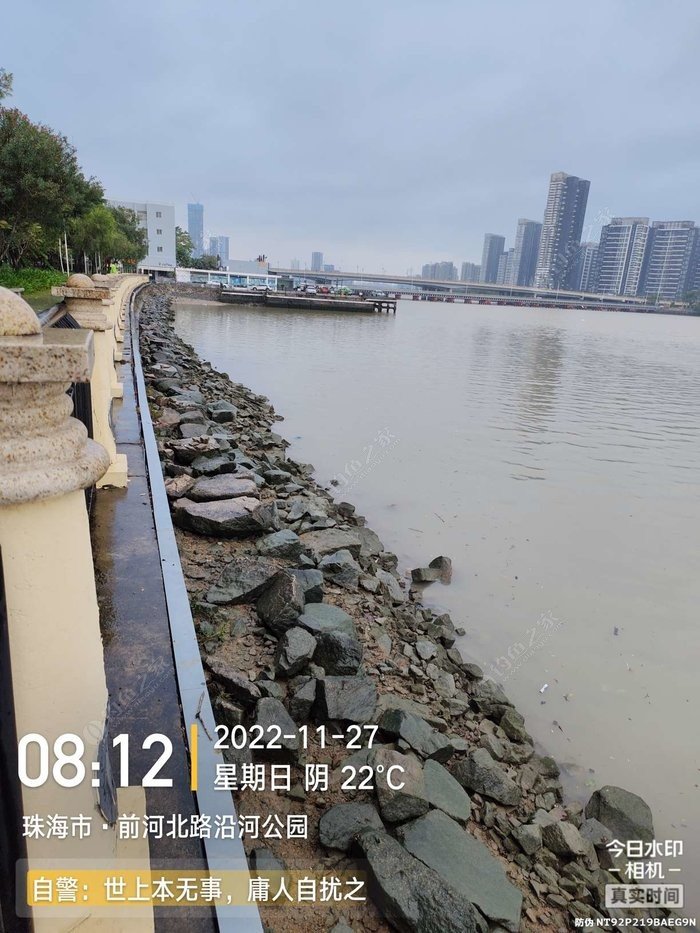
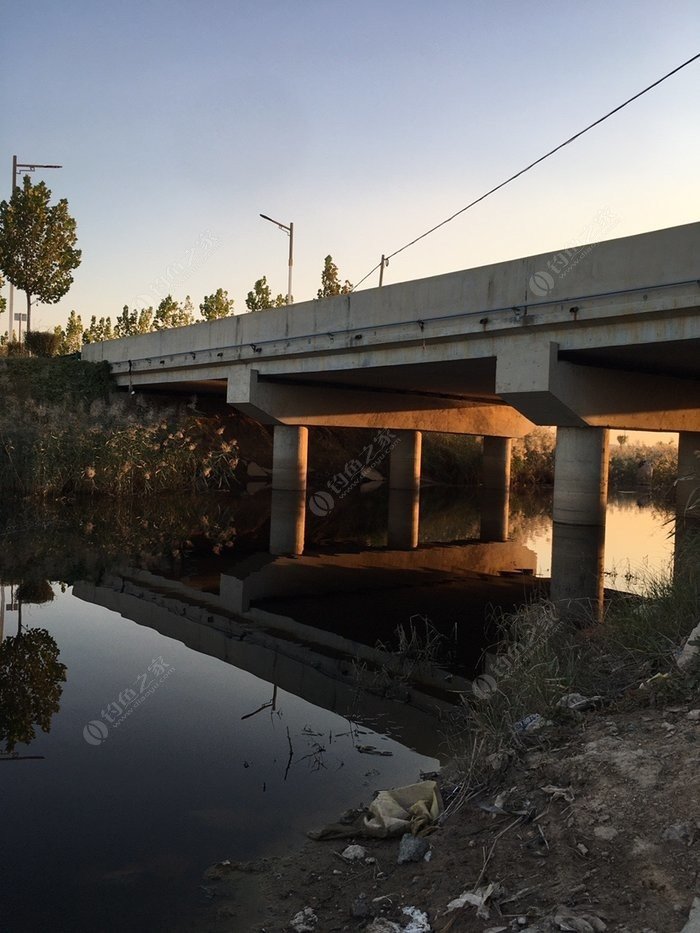
But when I pulled up to the river? Let me tell you, I almost turned around and went home. The water level was through the roof! My go-to horse mouth spot was completely submerged—like, I couldn’t even get within 10 feet of the bank without wading up to my knees. To make it worse, the current was raging so hard it looked like a whitewater rafting course. No way I could cast a line there and have any hope of catching something. Total bust.
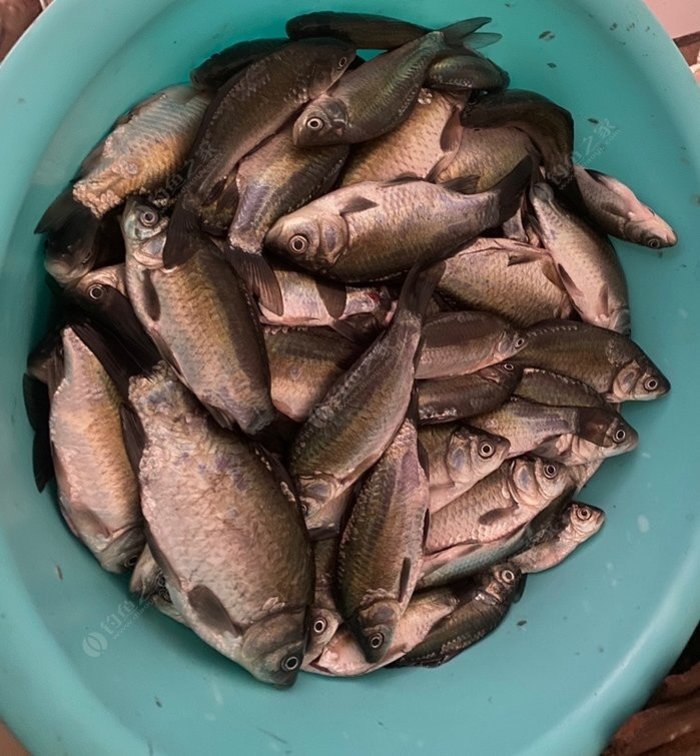
Wait, actually—before I dive into the chaos of the rest of the day, let me show you what little I managed to catch that first afternoon when the water was just starting to rise (this was a dry run, basically, before the 4-hour grind):

Plan B: Chasing Carp in Crowded Waters
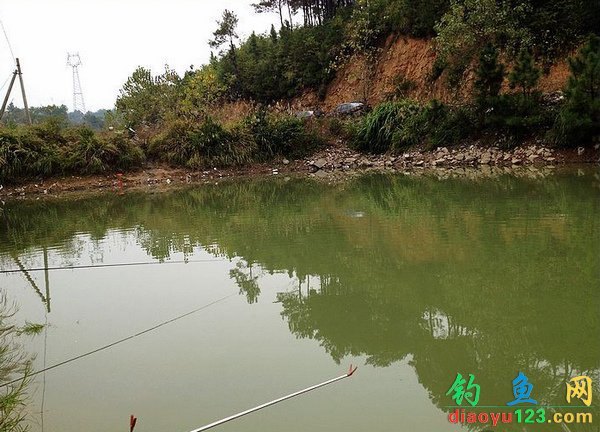
Thankfully, I’m not the only obsessed angler in these parts. A buddy had texted me a few days prior raving about a secret spot where carp were biting like crazy. With my original plan dead in the water, I decided to hightail it over there. Let me just warn you: I made a huge mistake on the drive over.
I’d packed light for horse mouth fishing, so I only brought my 2.7-meter rod—perfect for small, shallow spots, not exactly ideal for a spot where everyone else was hauling out 4.8-meter monsters. When I pulled up, the bank was packed with anglers, and every single one of them was using way longer rods than me. I felt like a kid showing up to a soccer game with a t-ball bat.
Luckily, one of the guys on the bank was a regular I know, and he took pity on me. “Dude, you’re never gonna reach the good water with that tiny rod,” he laughed, tossing me his 4.5-meter setup. Saved by the fishing gods! I owe that guy a six-pack, that’s for sure.
My Gear Setup for a Tricky Day
Before I get into the nonstop action, let me break down the exact gear I used—because this is the stuff that made the day possible, even when the water kept rising:
- Rod: Borrowed 4.5-meter spinning rod (total lifesaver)
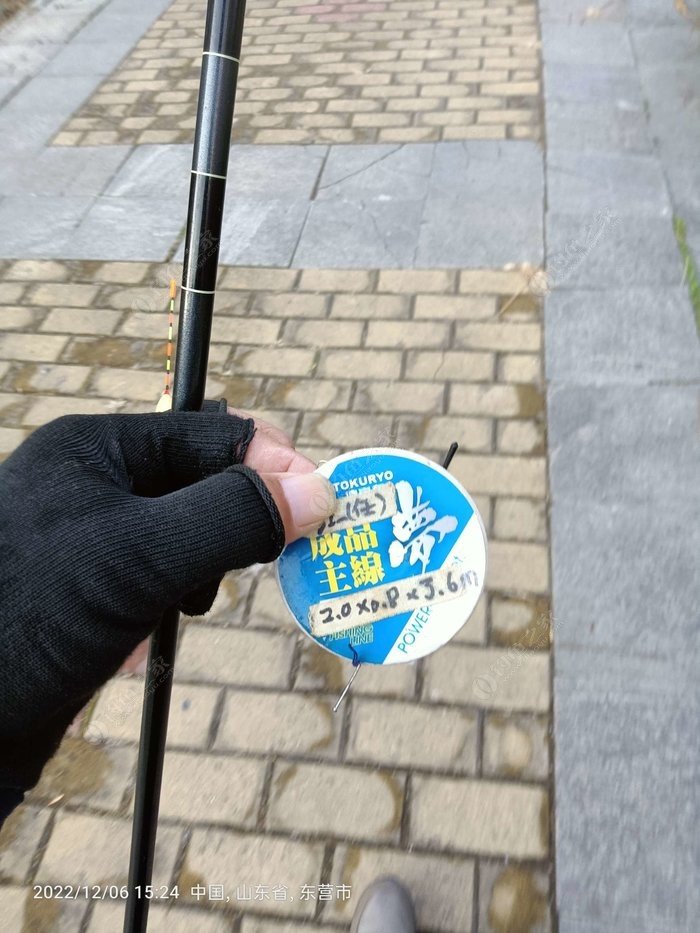
- Line Combo: 0.6 main line + 0.2 leader line (super light, perfect for spooky carp)
- Hook: Size 1 thin ground sleeve hook (tiny, but sharp enough to stick even the wariest fish)
- Float: 1.3g lead weight float (sensitive enough to pick up even the subtlest bites)
- Water Depth: Around 1.8 meters (deep enough to hold fish, but not so deep I lost control of my line)
- Adjustment: Set to two eyes visible when empty, fishing with two eyes visible (classic, reliable setup for calm days—too bad the water had other plans)
The 4-Hour Grind: Nonstop Bites, Nonstop Headaches
Let me tell you, the fish at this spot were hungry. I cast my line maybe three times before I felt that first tug—and holy cow, that fish was hauling! I joked with the guy next to me that it must have taken a high-speed train to get to my hook that fast. That was just the start.
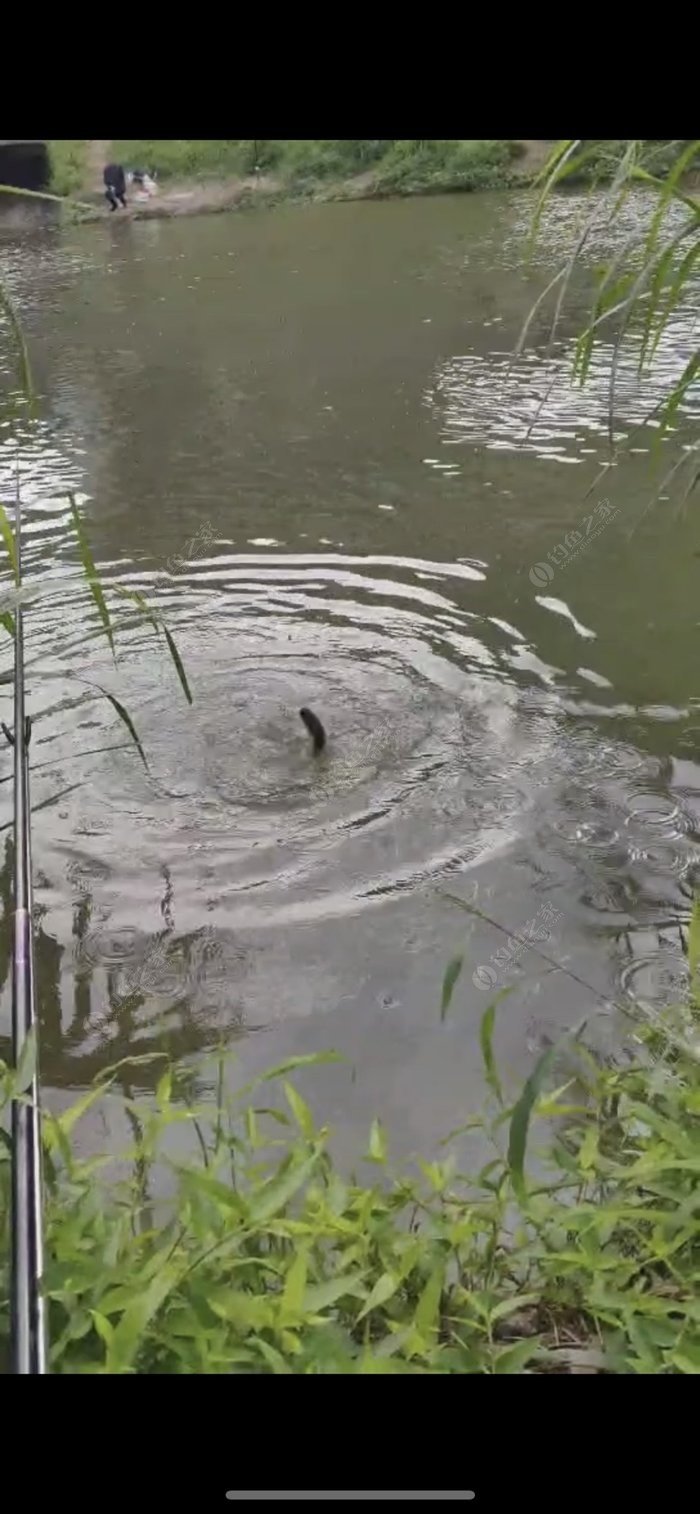
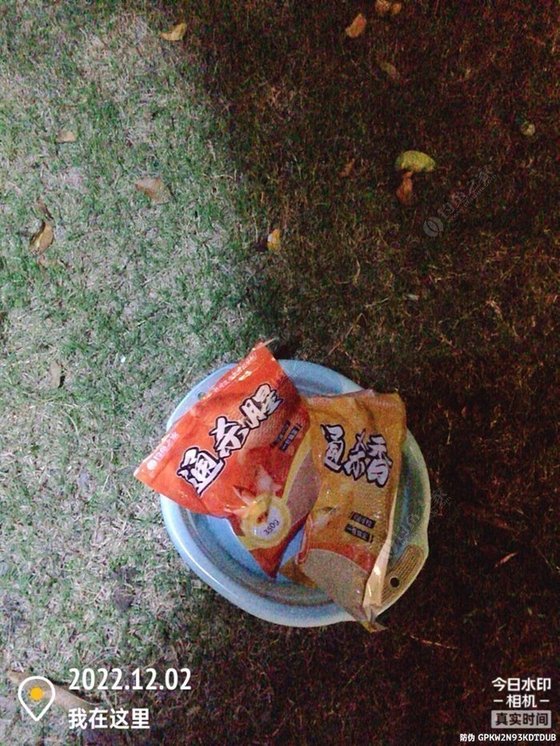
Not long after, the whitebait showed up too—swarming the line like piranhas. It was chaos in the best way possible. Check out how crazy the bite was halfway through the day:

I thought I was on top of the world… until the water started rising. Again. Just when I’d gotten comfortable with my setup, the river level started creeping up, inch by inch. I had to keep adjusting my float, reeling in, and recasting just to keep my line in the right spot. To make it worse, the current picked up, so my float started drifting all over the place. I must have readjusted my setup 10 times in an hour. It was exhausting, but the bites just wouldn’t stop—so I powered through.
Four hours later, my arms were sore, my feet were muddy, and I was covered in bug bites. But here’s the kicker: I was so caught up in the action, I forgot to take a photo of my total haul. Oops. So that’s where you come in: guess how many fish I caught in those four hours, and I’ll spill the exact coordinates of this carp goldmine. No lies, no tricks—just a secret spot where you can catch more fish in an afternoon than you can cook in a week.
The Real Tea: Decoding Tricky Float Signals
Now, for the stuff you’re really here for: the pro tips. Today’s float signals were weird—like, nothing I’d ever dealt with before. Normally, when carp are biting, you get that sharp, definitive jerk that makes your heart race. But not today. All afternoon, I was dealing with two weird patterns:
First, slow, steady sinking. The float would just gradually dip under the water, no fanfare, no jerk. Second, it would bob up and down like a cork in a bathtub, never settling long enough for me to get a good read. I must have missed a dozen bites in the first hour because I was waiting for that classic jerk that never came.
But after a while, I figured out the sweet spot: when the float popped up just a tiny bit, then dipped down one eye— that was the signal to yank the rod. I’m talking 90% catch rate with that move. Every single time I saw that tiny pop followed by a slow sink, I set the hook, and there was a fish on the line. It took me way too long to figure it out, but once I did, the haul went from good to insane.
Final Thoughts: The Chaos of Fishing is the Fun of Fishing
At the end of the day, I left the bank sore, muddy, and totally satisfied. This trip had everything: a failed plan, a last-minute save from a friend, nonstop bites, rising water headaches, and a total failure to document my final haul. But that’s the beauty of fishing, right? You never know what’s going to happen. You can map out every detail, pack the perfect gear, and have the weather forecast memorized—but the river (and the fish) will always have other plans.
So go ahead, drop your guesses for my total 4-hour catch in the comments. Did I reel in 50? 75? More than 100? The closest guess gets the secret spot. And if you’re dealing with rising water or weird float signals on your next trip, remember: slow and steady wins the race. Sometimes the best bites aren’t the flashy ones—they’re the quiet, sneaky ones that require a little patience to decode.
Until next time, tight lines and happy casting!