7 Proven Methods to Catch Yellow Catfish (Yellow Catfish Fishing Guide)
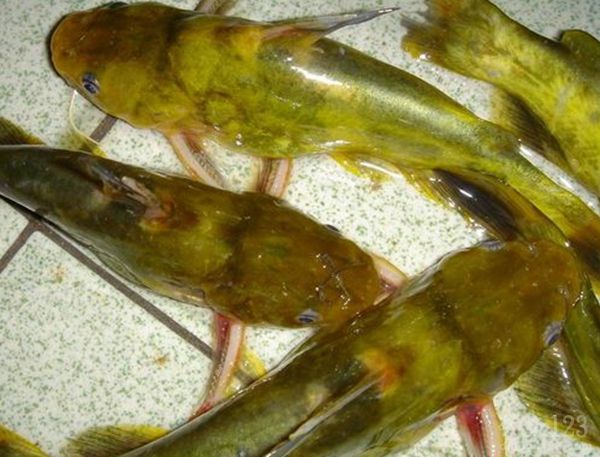
Let’s be real—yellow catfish (also known as yellow bullhead, mud cat, or even “yellow dogfish” in some spots) are the unsung heroes of freshwater fishing. They’re feisty, taste amazing, and practically beg to be caught if you know their tricks. I’ve spent way too many nights chasing these guys with friends, and let me tell you—nothing beats the thrill of a sudden tug when you least expect it. If you’re tired of coming home empty-handed or just want to level up your yellow catfish game, this guide’s for you. We’re breaking down the 7 best methods that actually work, plus all the pro tips I’ve picked up over the years. Let’s dive in!
First: Get to Know Your Target (Yellow Catfish 101)
Before you grab your rod, you need to speak the yellow catfish’s language. These guys are bottom-dwellers—they love hanging out in slow-moving rivers, lakes, ponds, and even quiet backwaters. During the day? They’re hiding in dark, murky spots (think logs, rocks, or sunken debris). But at night? Oh, they turn into party animals—swimming up to the shallows to hunt for food. Pro tip: They’re warm-water lovers, so the best time to catch them is when the water’s between 77°F and 82°F (25°C–28°C). That sweet spot is usually from mid-June to August here in North America. Also, they’re total carnivores—no veggies allowed. Worms, shrimp, and even small fish are their jam.
Essential Gear for Yellow Catfish (Don’t Skimp Here!)
You don’t need a fancy setup, but you do need the right stuff. Let’s keep it simple:
- Rod: A 6-foot or shorter rod works—soft or medium-hard, whatever feels comfortable. I’ve used both, and honestly? The soft rod gives a better fight (more fun when they start thrashing).
- Line: 0.3mm diameter is perfect. It’s strong enough to handle their fights but thin enough not to scare them off.
- Hook: Medium-sized hooks (like size 4–6) are ideal. Their mouths are big, so don’t go tiny—you’ll miss too many bites.
- Extras: A small net (to land them without losing your bait), pliers (to get hooks out), and maybe a headlamp if you’re fishing at night (trust me, you will).
Method 1: Hand Fishing (Noodling) – For the Bold (and a Little Crazy)
Okay, hear me out—noodling is not for everyone. But if you’re an adrenaline junkie, this is next-level. The idea is simple: Stick your hand (protected by a glove, duh) into a yellow catfish’s hiding spot (like a log jam or rock crevice) and let them bite. Then you yank them out. Wait, no—wait, actually, you grab their mouth or gills as soon as they bite. I’ve tried this once, and let’s just say I screamed like a kid when a 2-pounder latched on. Pro tips: Only do this in shallow water, wear thick gloves, and never put your hand in a spot you can’t see (snakes love those too). Also, check local laws—some places ban noodling. But if it’s legal? It’s a wild ride.
Method 2: Pole Fishing (Hand Rod) – The Classic Go-To
This is the method I use 90% of the time—simple, reliable, and perfect for beginners. Here’s how I do it:
- Use two hooks (top and bottom) – one with shrimp, one with worm. Yellow catfish are greedy, so they’ll go for either.
- Float (bobber) tips: Watch for two things—either the float dips down suddenly (they’re swallowing the bait) or it wiggles side to side (they’re playing with it). When either happens? YANK the rod up. No hesitation.
- Current hack: If you’re fishing in moving water (like a slow river), skip the float. Use a heavy sinker to keep the bait on the bottom, and feel for tugs. I’ve caught my biggest yellow cat this way—didn’t even see a float, just a sudden pull that almost took my rod into the water.

Method 3: Reel Fishing (Spinning Rod) – For Open Water
If you’re fishing in a big lake or wide river, a spinning rod (short one, like 5–6 feet) is your friend. Here’s the setup:
- Line: 0.3–0.35mm (stronger than the pole line, just in case).
- Hooks: Use a string of 3–6 hooks (called a “snapper rig”). Space them 5–8 inches apart so they don’t tangle. Tie a heavy sinker at the bottom to keep the rig on the bottom.
- Bait: Mix it up! Put shrimp on one hook, worm on another, maybe a small minnow on a third. Yellow catfish are curious—they’ll check out different baits.
- Wait for the bell: Attach a small bell to the rod tip. When it rings? You’ve got a bite. I’ve fallen asleep on the bank more than once waiting for that bell—worth it every time.
Method 4: Trap Fishing – Catch Multiple at Once
Tired of waiting for one bite? Traps are the lazy man’s secret weapon (and they work!). Here’s how I set mine:
- Use a wire trap (like a minnow trap but bigger) with two entrances (yellow catfish can’t resist a dark hole).
- Bait the trap with smelly stuff—rotten shrimp, chicken liver, or even cat food (yes, really). Tie the bait inside so it doesn’t float away.
- Set it in shallow, dark water (under a log, near reeds) and leave it overnight. Check it at dawn—you’ll probably have 3–5 catfish in there. Pro tip: Don’t leave it in too long—other critters (like turtles) might steal your catch.
Method 5: Lure Fishing – For the Adventurous
Most people think yellow catfish only bite live bait, but lures work too—especially at night. Here’s what to use:
- Soft plastic lures: Worms or shrimp imitations (make sure they’re scented—garlic or anise works). Jig them up and down slowly near the bottom.
- Spinnerbaits: Small, silver ones with a red blade. Cast them out and reel slowly—they mimic small fish.
- Pro hack: Add a little piece of real worm to the lure. The scent will drive them crazy. I’ve caught more catfish this way than I can count.
Method 6: Night Fishing – The Yellow Catfish Party
Let’s be clear—yellow catfish are nocturnal. If you’re not fishing at night, you’re missing half the fun (and half the fish). Here’s how to do it right:
- Best time: After dark, especially on cloudy or muggy nights. The less light, the better.
- Spot: Shallow water near the bank (1–3 feet deep) with cover (reeds, logs). That’s where they go to hunt.
- Light hack: Use a small LED light to see your bait (don’t shine it directly into the water—you’ll scare them). Or just feel for tugs—you’ll get good at it after a few tries.
Method 7: Shore Fishing – For Beginners (No Boat Needed)
You don’t need a boat to catch yellow catfish—shore fishing works like a charm. Here’s where to cast:
- Dark spots: Under overhanging trees, near reed beds, or next to rocks. Yellow catfish love hiding there.
- Drop-offs: Where the shallow water meets deep water (like a river bank that slopes down). They wait there for food to drift by.
- Cast and wait: Keep your bait on the bottom. If you don’t get a bite in 10 minutes, move to a new spot. Don’t be lazy—yellow catfish move around a lot.
Pro Tips I Wish I Knew When I Started
Let’s wrap this up with the stuff no one tells you:
- Smell is everything: Yellow catfish have super-sensitive noses. Use smelly bait (rotten shrimp, chicken liver) and wash your hands with garlic before handling bait (yes, really).
- Be quiet: They’re skittish. No loud music, no stomping, no splashing. I once had a friend yell “I GOT ONE!” before he even had a bite—scared every fish within 100 yards.
- Check the weather: They bite more when it’s cloudy or about to rain. Sunny days? Good luck—they’re hiding deep.
- Release the big ones: Okay, the small ones taste better, but the big ones (over 3 pounds) are rare. Let them go so they can make more baby catfish. Trust me, the small ones are more fun to catch anyway.
Last summer, my friends and I went night fishing at a local lake. We set up three spinning rods with snapper rigs, baited with shrimp and worm. Around 10 PM, the bell on my rod started ringing like crazy. I yanked it up, and holy cow—this 2.5-pound yellow catfish was thrashing like a madman. It took me 5 minutes to land it, and my friends were cheering so loud, I thought we’d get kicked out. That’s the thing about yellow catfish—they’re not the biggest, but they fight harder than any other freshwater fish I’ve caught. And when you cook them up (fried with cornmeal? *Chef’s kiss*), they’re worth every minute of waiting.
So what are you waiting for? Grab your gear, pick a method (start with pole fishing if you’re new), and head to the water. Just don’t forget the garlic—your hands will smell, but the catfish will love it. And if you catch a monster? Tag me in it—I’d love to see it. Happy fishing!