What Are Red Worms for Catching Crucian Carp? Are They Poisonous?
Okay, let’s cut to the chase—if you’ve ever gone fishing for crucian carp (or any freshwater fish, really), you’ve probably seen folks raving about red worms as bait. But here’s the thing: every time I mention using them, someone pops up with, “Wait, are those things poisonous?!” Ugh, I get it—they look a little… squiggly. But let’s break this down once and for all. I’ve used red worms for years, and I’m not dead (yet), so let’s talk about what these critters actually are, which ones are safe, and which ones you might want to avoid. Spoiler: not all “red worms” are created equal. Let’s dive in!

First, Let’s Clear Up the Confusion: There Are 3 “Red Worms” People Mix Up
Here’s the biggest mistake new anglers make: they call every tiny red aquatic bug a “red worm.” Newsflash—there are three totally different creatures people lump into this category, and only one is the *actual* red worm you use for fishing. Let’s unpack each one, starting with the most misunderstood.
1. Daphnia (Water Fleas): The Tiny “Red Worm” That’s Not a Worm At All
Okay, let’s start with the smallest guy on the list. Daphnia, also called water fleas, are these tiny, shrimp-like critters that live in freshwater (only a few live in saltwater, but who cares about those for fishing?). They’re so small—like, smaller than a grain of rice—you can barely see them with the naked eye. Anglers sometimes call them “red worms” because when there are millions of them in a pond, the water turns pinkish-red. But let’s be real: they’re not worms. They’re crustaceans. Like, tiny lobsters. Wild, right?
Now, are they poisonous? Hell no. For thousands of years, people have used daphnia to feed goldfish. If they were toxic, we’d have a lot of dead pet fish by now. But here’s the catch: you can’t use them as bait for crucian carp because they’re too tiny to hook. You can mix them into store-bought bait to add some extra scent, but that’s about it. So if someone says, “I used red worms and caught nothing,” they probably used daphnia and forgot they’re too small. Duh.
Quick Facts About Daphnia
- Size: 1–3 mm (smaller than a pencil eraser)
- Habitat: Freshwater ponds, lakes, slow-moving rivers
- Reproduction: They do this weird thing where in spring/summer, all the daphnia are female and have “summer eggs” that don’t need fertilization. That’s why they multiply like crazy. In fall, some turn male, and they lay “winter eggs” that hibernate through cold weather. Cool, right?
- Safety: 100% harmless to humans and fish. Go nuts (but don’t try to hook ’em).
2. Chironomid Larvae (Bloodworms): The *Real* Red Worm Bait for Crucian Carp
Okay, now we’re talking about the star of the show: chironomid larvae, AKA bloodworms. These are the squiggly red things you buy at the bait shop or dig up in muddy river bottoms. This is the “red worm” everyone means when they say it’s great for crucian carp. Let’s get one thing straight: they’re not worms either—they’re the larvae of non-biting midges (a type of fly). But who cares about the name? They work.
First, let’s address the big question: are bloodworms poisonous? NOPE. I’ve handled thousands of them, and I’ve never had a problem. They live in the mud at the bottom of lakes and rivers, and they’re a natural food source for almost every freshwater fish—crucian carp go crazy for them. Why? Let’s check the nutrition: they’re packed with protein (41–62% of their dry weight) and fat (2–8%), which is like a steak dinner for fish. Plus, they wriggle like crazy in the water, which triggers a fish’s instinct to eat.
Here’s a pro tip: I once forgot to put leftover bloodworms in the fridge, and they turned into tiny flies. Gross? A little. But it just proves they’re not toxic—they’re just bugs in their larval stage. Also, they’re great for the environment! They eat organic debris in the water, so they actually help clean ponds. Win-win.
Why Bloodworms Are Perfect for Crucian Carp
- Size: Perfect for hooking—they’re about 1–2 cm long (bigger than daphnia, smaller than earthworms)
- Durability: They stay on the hook better than some other baits, even when fish nibble
- Versatility: Works for crucian carp, carp, tilapia, catfish—you name it
- Safety: No poison, no stingers. Just wash your hands after handling (duh, you should wash your hands after touching anything from the river)
3. Tubifex Worms (Red Worms From Dirty Water): The One You Should Avoid
Now, here’s the bad guy (well, the “caution” guy). Tubifex worms, also called sludge worms or red wigglers (wait, no—earthworms are red wigglers, but these are different), live in *dirty* water. Think sewage runoff, stagnant ponds, or river bottoms with a lot of pollution. They look like tiny red earthworms—about 4–10 cm long—and they’re often sold as fish food too. But here’s the problem: they carry bacteria and parasites.
Are they poisonous? No, but they’re *gross*. If you eat a tubifex worm (why would you?), it won’t kill you, but it might give you stomach cramps or diarrhea. And if you use them as bait, the bacteria could get on your hands, and if you touch your face or eat without washing, you’ll regret it. I learned this the hard way: once I used some “red worms” I found in a stagnant ditch, and I ended up with a stomach bug that lasted three days. Never again.
Also, tubifex worms are a sign of dirty water. If you see them in a pond, that means the water is polluted—so you probably shouldn’t be fishing there anyway. Stick to bloodworms from a reputable bait shop, or dig your own from clean, flowing rivers.
My Personal Experience: Using Bloodworms for Crucian Carp
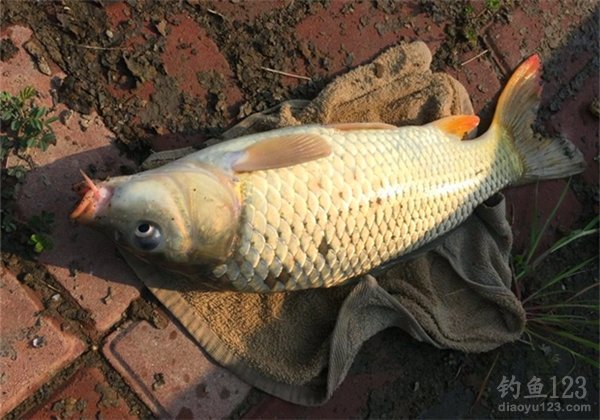
Let’s get real—this isn’t just research. I’ve used bloodworms for years, and they’re my go-to bait for crucian carp in spring. Here’s a story: last April, I went fishing at a small lake near my house. The water was still cold (around 10°C), and the crucian carp were being super picky. I tried bread, corn, even live maggots—nothing. Then I remembered I had a pack of bloodworms in my tackle box. I hooked one (super easy—just thread it on the hook so it stays on), cast it out, and within 5 minutes, I had a crucian carp on the line. It was about 20 cm long—nothing huge, but it was a catch! I ended up catching three more that day, all on bloodworms.
Another time, I was fishing with my friend who’s terrified of “bugs.” She refused to touch the bloodworms, so I hooked them for her. She caught two crucian carp and a small carp, and by the end of the day, she was even holding the bloodworms (reluctantly). Now she swears by them. So if you’re scared of squiggly things, just wear gloves—problem solved.
Common Mistakes Anglers Make With “Red Worms”
Let’s wrap this up with the dumb things I’ve seen people do (including myself, once). Don’t be these people:
Mistake #1: Using Tubifex Worms Instead of Bloodworms
As I said earlier, tubifex worms are from dirty water. I once bought a pack of “red worms” from a guy at a gas station, and they turned out to be tubifex. I used them, and not only did I get sick, but the fish didn’t even bite. Waste of money and a ruined day.
Mistake #2: Not Washing Your Hands After Handling
Even bloodworms can have some bacteria (they live in mud, after all). I once forgot to wash my hands and then ate a sandwich. Let’s just say I spent the rest of the day in the bathroom. Gross. Wash your hands—simple as that.
Mistake #3: Using Daphnia as Hook Bait
My little brother once tried to hook a daphnia. He spent 10 minutes trying to get it on the hook, and when he finally did, it fell off as soon as he cast. Daphnia are too small—stick to mixing them into bait or using bloodworms.
Final Thoughts: Are Red Worms (Bloodworms) Safe? Yes—But Know Which Ones to Use
So, to answer the original question: the red worms used for catching crucian carp (bloodworms) are not poisonous. They’re safe to handle, safe for fish, and they work better than almost any other bait. The only ones you need to avoid are tubifex worms from dirty water. Stick to bloodworms from a bait shop or clean rivers, wash your hands, and you’ll be fine.
Next time you go fishing for crucian carp, give bloodworms a try. I promise you won’t be disappointed. And if someone asks if they’re poisonous, you can be the smart one and explain the difference between daphnia, bloodworms, and tubifex. They’ll be impressed—trust me.
Oh, and one last thing: if you’re new to using bloodworms, start with a small pack. You don’t need a lot—one or two per hook is enough. And if you don’t use all of them, put them in a container with damp moss or paper towels and keep them in the fridge. They’ll last a few days. Happy fishing!