Why Bait Matters for Reservoir Crucian Carp Fishing
Let’s cut to the chase—if you’ve ever stood by a reservoir at dawn, freezing your toes off, only to watch your float sit there like a statue for hours? Yeah, I’ve been there. Twice this winter, in fact. Empty-handed both times, staring at the water like it owed me an apology. But spring? Oh, spring changes everything. The water warms up, the crucian carp wake up, and suddenly, your bait doesn’t just sit there—it actually works. And let me tell you, after those two winter flops, I was determined to nail my bait game for my local reservoir. It’s a 15-minute drive from my house, slow current, perfect for crucian carp… if you know what you’re doing with your bait.
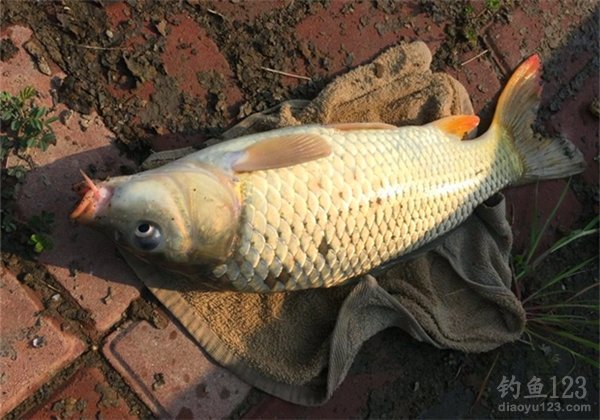
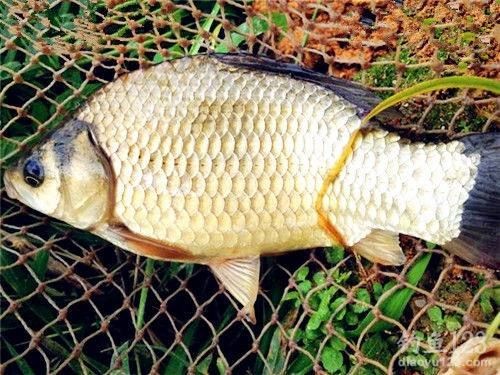
Here’s the thing: crucian carp in reservoirs are picky. They’ve got options—natural food, other anglers’ sad bait attempts—so your formula has to stand out. I’ve spent months tweaking mine, and this spring? Two trips, 20 pounds each time. That’s not luck—that’s a bait formula that checks all the boxes. So today, I’m spilling the tea (or should I say, the bait mix) on the principles behind it.
The Core Principles of My Reservoir Crucian Carp Bait Formula
Before we dive into the step-by-step, let’s talk principles. These aren’t just random tips—they’re the rules I live by when mixing bait for this reservoir:
- Pre-Bait Aggressively (But Patiently): Reservoir fish are skittish. You can’t just show up and cast—you need to train them to come to your spot. I start pre-baiting 5 days before I fish.
- Balance Natural and Commercial Ingredients: Crucian carp love familiar scents, but a little commercial kick helps them notice your bait faster.
- Spring-Specific Additives: In spring, they’re craving protein and sweetness—so we’re leaning into that.
- Simple Fermentation for Extra Scent: A short ferment makes the bait smell stronger without going rotten (gross, but true).
Principle 1: Pre-Baiting 101—Don’t Skip This Step
Let me repeat: pre-baiting is non-negotiable. I learned this the hard way last year when I showed up cold turkey and caught zilch. Now, 5 days before my fishing day, I head to the reservoir with my pre-bait mix. What’s in it? Cooked chicken feed (yes, chicken feed—crucian carp go nuts for the grainy, protein-packed scent), rice bran, and homemade wine rice. I mix them up dry, then toss handfuls into my target spot—usually a shallow area near some reeds, where crucian carp like to hang out.
Days 1 to 4? I don’t even bring a rod. I just toss the pre-bait and leave. Why? Because I want the fish to associate that spot with free food. No pressure, no hooks—just a safe place to eat. On day 5? I show up with my actual fishing bait, and let me tell you, those fish are already waiting. It’s like ringing a dinner bell.
Principle 2: The Base Mix—Natural First, Commercial Second
Your base is the foundation. For my reservoir, I stick to natural ingredients that crucian carp recognize, plus a tiny bit of commercial bait to boost attraction. Here’s what I use:
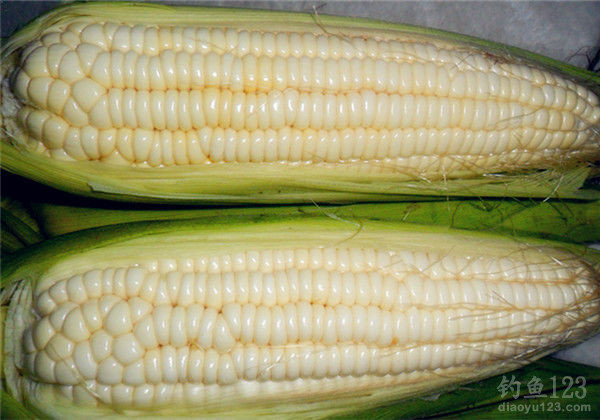
- Main Natural Ingredients: Cooked sweet potato and corn grits. I boil them in a big iron pot until they’re mushy, then mash them together. It’s starchy, sweet, and has that “I’m from the lake” vibe.
- Commercial Boost: Half a bag of Laidekuai No. 2. This stuff is a classic for crucian carp—it’s got a mild fishy scent that cuts through the water without being overwhelming. I don’t use too much, though—we don’t want to mask the natural smell.
- Wild Card Additive: Rapeseed cake (cai ku). It’s oily, smelly, and crucian carp in my reservoir go crazy for it. I crumble a handful into the mix to add texture and scent.
Pro tip from a random old angler I met at the reservoir: “Add some piglet feed in spring.” I thought he was joking, but I tried it—and wow. Piglet feed is packed with protein, which crucian carp need after winter. I tossed in a small scoop, and suddenly, my bait was getting bites 10 minutes faster. Sometimes the weirdest tips are the best.
Principle 3: Sweetness and Scent—Spring’s Secret Weapons
Spring crucian carp are all about sweetness and mild fermentation. Here’s how I crank up the scent:
- Honey (or Sugar): I add a big spoonful of honey to the mix. It’s natural, sweet, and sticks to the bait. No honey? White sugar works—just dissolve it in a little water first.
- Qujiu (or Cheap Aromatic White Wine): Head to the supermarket and grab a bottle of cheap white wine that smells like qujiu (rice wine). You don’t need the fancy stuff—just something with that fermented, fruity scent. Pour in 3-4 tablespoons.
Why these two? The honey adds the sweetness spring crucian carp crave, and the wine starts a gentle fermentation. I mix everything up, put it in a sealed container, and let it sit overnight. That’s it—no 3-day ferment, no weird chemicals. Just enough time for the scent to amplify without turning the bait sour.
Principle 4: The Pre-Bait Formula—Train Those Fish
Remember that 5-day pre-baiting rule? Here’s what’s in my pre-bait mix (it’s different from the fishing bait, but related):
- Cooked chicken feed (same as the base mix—consistency is key)
- Rice bran (adds bulk so the pre-bait spreads a little in the water)
- Homemade wine rice (I soak rice in the same qujiu for 3 days—extra scent for pre-baiting)
I mix these dry, then toss 2-3 handfuls into the spot each day. By day 5, the crucian carp know: “Hey, that spot has free food every morning.” When I show up with my fishing bait, they don’t hesitate—they’re already there.
Step-by-Step: Mixing the Bait (Yes, It’s Easy)
Okay, enough talk—let’s make the bait. I promise, it’s not rocket science. You don’t need a lab coat or a fancy mixer. Just a big bowl, some patience, and a willingness to get your hands dirty.
Ingredients You’ll Need
First, gather everything. I keep this list on my fridge so I don’t forget anything:
- 1 large sweet potato (peeled and cubed)
- 1 cup corn grits
- Half a bag of Laidekuai No. 2 commercial bait
- 1 handful rapeseed cake (crumbled)
- 1 small scoop piglet feed (optional, but game-changing)
- 2 tablespoons honey (or 3 tablespoons white sugar)
- 3-4 tablespoons aromatic white wine (qujiu-scented)
- Water (just enough to make the mix sticky)
Step 1: Cook the Natural Base
Boil the sweet potato cubes in a pot until they’re fork-tender. Drain them, then mash them into a smooth paste. In the same pot (no need to wash it—flavor, right?), add the corn grits and 1 cup of water. Cook on low heat, stirring constantly, until the grits are thick and mushy. Mix the mashed sweet potato and corn grits together in a big bowl.
Step 2: Add Commercial and Wild Card Ingredients
Pour in the half-bag of Laidekuai No. 2, crumbled rapeseed cake, and piglet feed (if you’re using it). Stir everything together until it’s evenly mixed. The texture should be thick, not runny—you want it to hold together when you roll it into balls.
Step 3: Sweeten and Ferment
Add the honey (or sugar) and white wine. Stir again—make sure every part of the mix gets the sweet, boozy goodness. If it’s too dry, add a splash of water; if it’s too wet, add a little more corn grits. Seal the bowl with plastic wrap and let it sit at room temperature overnight. That’s the fermentation step—trust me, the next morning it’ll smell sweet and slightly tangy, like a treat the crucian carp can’t resist.
Step 4: Store the Extra Bait
Don’t use all the bait in one trip! The leftover mix goes straight into the fridge. The cold slows down fermentation, so the scent stays strong for weeks. I usually make a big batch every 2 weeks—saves time, and the bait just gets better with a little extra fridge time.
How I Use This Bait (And Why It Works)
Let’s circle back to the pre-baiting. Day 5 rolls around, I grab my bait (fermented overnight, fridge-cold for extra scent), and head to the reservoir. I don’t re-pre-bait—those fish are already trained. I roll the bait into small balls (about the size of a marble) and attach them to my hook. The texture is soft enough for the crucian carp to bite into easily, but sticky enough to stay on the hook when I cast.
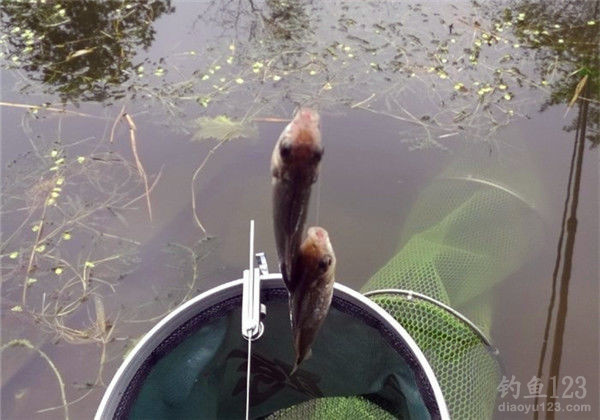
And the results? Like I said—20 pounds on my first spring trip. I sat there, watching my float dip every 10 minutes, reeling in crucian carp left and right. The second trip? Same thing. A guy next to me asked what I was using—his bait was just commercial mix, and he’d caught 2 small ones all morning. I gave him a handful of mine, and 20 minutes later, he was grinning like an idiot, reeling in a big one. That’s the power of a good formula.

Wait, let’s talk about that picture—see that mix? That’s the fermented sweet potato-corn grits base with the rapeseed cake. Look at the texture—mushy but not runny, sticky but not gooey. That’s the sweet spot. If your mix looks like that, you’re golden.
Final Thoughts (And a Little Rant)
Here’s the thing I want you to take away: fishing isn’t just about the catch. Those two winter trips? They sucked, but they taught me to pay attention to the water, the weather, and most importantly, my bait. I used to think “more bait = more fish,” but no—better bait = more fish. And for new anglers? Stop stressing about catching 10 pounds on your first trip. Focus on learning why your bait works (or doesn’t). Did you skip pre-baiting? Did you use too much commercial mix? Did you forget the honey? Those are the lessons that make you a better angler.
For me, fishing is about sitting by the water, listening to the birds, and not thinking about work for 4 hours. The 20 pounds are a bonus. But let’s be real—catching fish makes it way more fun. So if you’re fishing a reservoir for crucian carp this spring? Give this formula a try. Pre-bait 5 days early, mix the natural and commercial ingredients, add the honey and wine, ferment overnight. And if you catch 20 pounds? Hit me up in the comments—I’ll raise a glass of white wine (the same one I put in the bait) to you.
Oh, and one last thing: don’t be that guy who uses stinky, rotten bait. The fish hate it, the other anglers hate it, and you’ll end up sitting alone. Stick to fresh, fermented, sweet bait. Your nose (and your catch) will thank you.