Summer Reservoir Carp Fishing: Choosing and Using Corn-Based Baits (Part 2)
Let’s be real—carp are the ultimate tricksters in the fishing world. They’re smart, skittish, and will ghost your bait faster than you can reach for your rod if you’re not prepared. I’ve spent hours watching them nudge my rigs and swim away like I’m offering them a soggy cracker. But summer? Oh, summer’s when the game changes. Carp go on a feeding spree, bulking up before the cooler months, and that’s our chance to outsmart them. If you caught Part 1, you know I’m obsessed with effective, easy-to-make baits. Today? We’re going all in on corn—because let’s face it, carp lose their minds over this golden grain. Let’s dive in!

Why Corn? The Carp Magnet You Can’t Ignore
Before we get into recipes, let’s talk why corn works so well for summer reservoir carp. First, it’s a natural food source. Carp munch on aquatic plants, insects, and yes—grains like corn that wash into reservoirs from nearby fields. Second, corn holds up in water way better than flaky dough baits. You can cast it 50+ times without it dissolving mid-air. And third? The sweet, earthy scent travels like wildfire in warm water. Carp can smell it from a mile away—perfect for luring them out of deep holes where they hide during the day.
Fresh Corn vs. Canned vs. Dried: What’s the Move?
Not all corn is created equal for carp fishing. Let’s break it down:
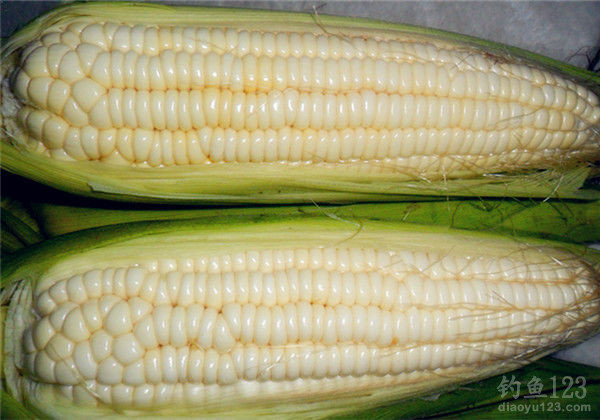
- Fresh Corn: Best for immediate use. It’s juicy, has that raw, sweet aroma carp love, and stays on the hook without extra binders (most of the time).
- Canned Corn: My go-to for quick trips. It’s pre-cooked, soft enough to hook easily, and the brine adds a subtle saltiness that carp can’t resist. Just drain it first—too much salt can turn them off.
- Dried Corn (Cornmeal): Great for making dough baits. It’s cheap, easy to store, and mixes well with other ingredients to create a sticky, durable bait.
Pro tip: Stay away from flavored canned corn (like buttered or spicy). Carp hate artificial additives—stick to plain yellow or white corn.
4 Corn-Based Carp Bait Recipes for Summer Reservoirs
These recipes are all easy to make, use ingredients you can find at any grocery store, and are proven to catch carp (I’ve tested every single one—no fluff here).
1. Fresh Corn Dough Bait (5-Minute Prep)
Let’s start with the simplest one—perfect for beginners or anyone who hates spending hours in the kitchen before fishing. I make this the night before a trip so it has time to firm up.
- Ingredients: 2 cups fresh corn (or 1 can drained), 1 cup all-purpose flour, 1 tbsp cornmeal (optional, for extra texture)
- Steps:
- Wash the fresh corn and remove the kernels from the cob (if using canned, skip this step).
- Blend the kernels in a food processor or blender until they’re a smooth (but not watery) paste. Don’t overblend—you want a little chunkiness so carp can feel the corn.
- Add the flour and cornmeal to the paste. Stir with a spoon until it forms a thick, doughy ball. If it’s too sticky, add a little more flour; if it’s too dry, add a splash of water.
- Wrap the dough in plastic wrap and refrigerate for 1-2 hours (or overnight) to firm up. This makes it easier to mold onto your hook.
How to use it: Pinch off a pea-sized piece (or bigger, if you’re targeting big carp) and mold it around your hook. The dough will stick to the hook even when casting long distances. I’ve caught 12+ pound carp with this—no joke!
2. Cornmeal & Lamb Fat Bait (Smelly, But Deadly)
Okay, let’s be honest—this one stinks. Like, really stinks. But carp go crazy for it. Lamb fat (or mutton fat) has a strong, gamey scent that cuts through warm, murky reservoir water better than anything else. Just wear gloves or a mask when making it—your hands will thank you.
- Ingredients: 2 cups cornmeal, ½ cup melted lamb fat (you can buy this at a butcher shop or render your own from leftover lamb trimmings), 1 tbsp honey (optional, for extra sweetness)
- Steps:
- Preheat your oven to 350°F (175°C). Spread the cornmeal on a baking sheet and toast it for 10-15 minutes. This brings out the nutty flavor of the corn—carp love it!
- Remove the cornmeal from the oven and let it cool for 5 minutes. Add the melted lamb fat and honey (if using) to the cornmeal. Stir until everything is well combined.
- Let the mixture cool completely. It will harden into a crumbly dough. When you’re ready to fish, pinch off a piece and roll it into a ball—add a little water if it’s too crumbly.
Warning: This bait will leave a grease stain on your hands, so bring hand wipes. But trust me—last summer, I used this and caught 3 carp in 2 hours while my friend (using a store-bought bait) caught zero. Worth the smell.
3. Fermented Corn (The Slow Cook, Big Payoff)
This is the most time-consuming recipe, but it’s also the most effective for big, trophy carp. Fermenting corn breaks down the sugars, creating a tangy, yeast-like scent that carp can’t resist. I make a big batch at the start of summer and use it all season.
- Ingredients: 4 cups fresh or canned corn (drained), 2 cups high-proof vodka or moonshine (yes, alcohol works—carp love the fermentation), 1 tbsp honey, 1 tsp cinnamon (optional, for extra flavor)
- Steps:
- If using fresh corn, boil the kernels for 10 minutes to soften them. Let them cool completely (this is crucial—warm corn will spoil).
- Add the corn to a large, airtight glass jar. Pour in the vodka, honey, and cinnamon (if using). Make sure the corn is fully submerged—add more vodka if needed.
- Seal the jar tightly and store it in a cool, dark place (like a basement or garage) for 2-3 weeks. You’ll know it’s ready when the corn smells tangy and slightly alcoholic (not rotten).
How to use it: Take a few kernels and thread them onto your hook (use a hair rig for extra effectiveness). The fermented corn will release a cloud of scent as soon as it hits the water, drawing carp from far away. I caught a 20-pound carp last year with this—still my personal best!
4. Quick-Soak Corn (7-Day Prep for Impatient Anglers)
Don’t have 2 weeks to wait for fermented corn? This quick-soak recipe is the next best thing. It only takes 7 days to make, and it’s just as effective for summer carp.
- Ingredients: 3 cups fresh or canned corn (drained), 1 cup cheap beer (lager works best—skip the IPA, it’s too bitter), 1 tbsp molasses, 1 tsp vanilla extract (optional)
- Steps:
- Boil the corn for 5 minutes (if fresh) to soften it. Let it cool completely.
- Add the corn to a jar. Pour in the beer, molasses, and vanilla extract. Stir well.
- Seal the jar and store it in the refrigerator for 7 days. Shake the jar once a day to mix the ingredients.
Pro tip: When you’re fishing, mix a few of these soaked kernels with some dry corn and throw them into the water as chum. This creates a “feeding zone” that keeps carp in the area longer.
Pro Tips for Using Corn Baits in Summer Reservoirs
Okay, you’ve got the bait—now how do you use it to catch more carp? Here are my go-to tips from years of trial and error:
1. Match the Hatch (Sort Of)
Carp in your local reservoir might be used to a specific type of corn (yellow vs. white). Bring both and see which one they prefer. Last summer, I fished a reservoir where carp only bit white corn—go figure!
2. Use a Hair Rig
Hair rigs are game-changers for carp. They let the bait float slightly off the hook, so carp can eat the corn without feeling the hook immediately. This reduces “spooking” and increases your hook-up rate.
3. Fish at the Right Time
Summer carp are most active at dawn and dusk (early morning or late evening). Avoid fishing in the middle of the day—carp will be hiding in deep, cool water where they’re hard to reach.
4. Don’t Overfeed Them
It’s tempting to throw a ton of chum into the water, but this will just make the carp full and less likely to bite your bait. Start with a small handful of dry corn, then add a little more every 30 minutes if you don’t get a bite.
Final Thoughts: It’s All About the Corn
I’ve tried store-bought baits, fancy doughs, and even live bait for carp—and nothing works as consistently as corn. Whether you’re a beginner or a seasoned angler, these recipes will help you catch more carp this summer. Just remember: carp are smart, so be patient. I’ve sat for 3 hours without a bite before landing a 15-pound carp—worth every minute.
What’s your favorite corn-based carp bait? Drop a comment below—I’d love to hear your tips! And if you haven’t read Part 1 yet, go check it out for more great bait recipes. Tight lines!