Hey fellow anglers! It’s been a minute since I’ve chatted with you all—missed our fishing rants and tips swaps! I haven’t hit the local pond or bait shop lately, but I’ve been glued to fishing forums and YouTube, basically “studying” like a student cramming for finals. Why? Gotta prep for spring fishing, right? Last year’s bait hacks got some love, so today I’m diving into something every angler swears by: alcohol-soaked rice (or “wine rice” as we call it, but let’s stick to English terms for clarity!).

Let’s be real—fishing isn’t just casting a line and waiting. It’s a mix of science, strategy, and a little luck. Like any sport, you gotta learn the theory, test it in the field, and tweak based on what works. So yeah, it’s a “brain job” as much as a “muscle job”! Over the next few posts, I’ll share my homemade bait hacks—starting with this alcohol-soaked rice deep dive. Let’s get to it!
What Even IS Alcohol-Soaked Rice, and Why Do Anglers Obsess Over It?
First off, if you’ve fished at all, you’ve seen this stuff. It’s that rice (or sometimes corn, millet, etc.) soaked in alcohol—used as chum (to attract fish) or mixed into bait. But here’s the thing: its job changes depending on how you fish!
- Traditional or “folk” fishing? You’re looking for fish habitats (like under lily pads or near logs) and using their natural movement. Chum here is more about keeping fish in the area, not luring them from miles away.
- Black bass tournaments or competitive fishing? You’re relying on powdered baits to draw fish in fast. Alcohol-soaked rice? It’s the “sidekick”—keeps the fish hanging around once they find your chum.
So it’s not a magic bullet, but it’s a solid tool in your tackle box. Got it?
Which Rice (or Grains) Should You Use?
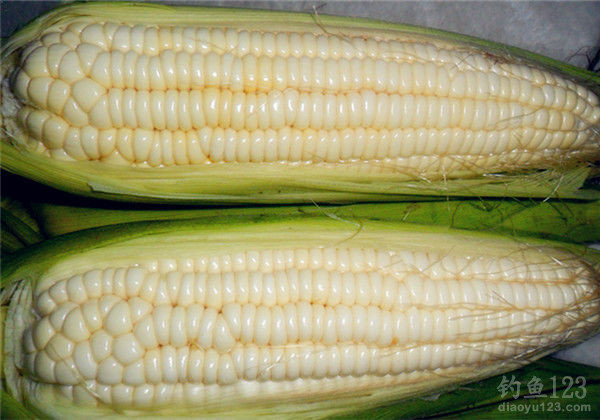
Here’s the best news: there’s no “perfect” grain! You can use white rice, brown rice, millet, corn grits, even sticky rice. My rule? Use what’s local and cheap. If your town grows tons of white rice, use that. If millet is everywhere, go for millet. Why? Grains are grains—fish love the natural carbs and nutrients. No need to overcomplicate it!
But wait—size matters! (Sorry, had to say it.) Small grains (like millet) work for small fish (bluegill, crappie). Big grains (like corn or large rice) are for big fish (bass, catfish). Why? Small fish can’t eat big grains, and big fish get bored with tiny stuff that’s gone in 2 seconds. Simple logic, right?
How to Pick the Right Rice (Avoid These Traps!)
Okay, so you’re at the grocery store—what to watch for? First, skip the “fancy” rice. You know those bags with bright colors and “extra flavor” labels? Chances are they’re polished (shiny!) or have added scents. Fish can smell that fake stuff from a mile away—trust me, I’ve made that mistake. My first batch smelled like vanilla (I thought it was cute), and the fish didn’t touch it. Oops.
Stick to:
- Natural, unpolished grains (no shiny coating)
- Grains that smell like… well, grains. No weird perfumes or chemicals
- Fresh grains—avoid old, stale bags (you’ll smell the mustiness)
Quick side note: Sticky rice vs. regular millet. A lot of new anglers mix these up! Sticky rice is a bit bigger, paler, and sticks together more when cooked. Both work—just pick based on your target fish size.

Prepping the Grains Before Soaking: Raw vs. Cooked
Now, here’s a debate I’ve seen blow up on forums: should you use raw or cooked grains? Let’s break it down (no arguments, please—just facts!):
Option 1: Raw Grains (My Go-To)
Raw grains are exactly what they sound like—uncooked rice, millet, etc. Here’s why I love ’em:
- Last longer. No cooked grains = less chance of mold or rot. I’ve had raw batches last 6+ months in a sealed jar.
- Easier to make. Just pour alcohol over ’em and shake—done. No cooking, no waiting for them to cool.
- Works for more fish. Raw grains are harder, so fish have to work a bit to eat ’em. That means they stay in the area longer (perfect for chumming!).
Option 2: Cooked Grains
Cooked grains are fried, microwaved, or boiled until they’re soft. Pros:
- Smell stronger. Cooking brings out that nutty, grainy scent fish love.
- Absorb more alcohol. Softer grains soak up the booze faster, which means more scent in the water.
- Better for finicky fish. If the water’s cold (like early spring), cooked grains are softer and easier for fish to nibble.
Cons? They go bad fast—like, 2-3 weeks max. And they fall apart in the water quicker, so you have to re-chum more often. Not ideal for all-day fishing trips.
So there you have it—part one of my alcohol-soaked rice guide! Next time, I’ll dive into the best alcohols to use (yes, beer counts!) and how to mix in scents like garlic or anise. But wait—before you go, let me know: have you ever tried homemade chum? Did it work? Drop a comment below—I’ll reply to every one (promise!).