Pro Angler’s Guide: How to Lure Fish Effectively in Summer Wild Fishing
Let’s be real—summer wild fishing in rivers, lakes, and reservoirs is chaos waiting to happen. One minute you’re reeling in a monster bass, the next you’re staring at an empty hook because the fish bailed. Why? Because wild waters are full of unpredictable factors: shifting currents, spooked fish, and that one tree branch that always steals your lure. If you’re not on your game, you’ll end up going home with nothing but sunburn and a story about “the one that got away.”
I’ve spent years chasing fish in these spots—thousands of hours, countless failed casts, and a few lucky days where I actually outsmarted the underwater crew. Today, I’m spilling the tea on the only summer wild fishing luring strategies that actually work. No fluff, no fancy gear—just the stuff I’ve tested until my hands were sore. Let’s dive in!

1. The Non-Negotiable Rules of Summer Lure Preparation
First off: if you think “throwing any old bait” works, you’re dead wrong. Summer fish are picky—they’ve got more food options than a food court, so your lure has to stand out. Let’s break down the basics that separate casual anglers from the ones who bring home the big ones.
1.1 Bait Mixing: Patience = Catches (I Promise)
Let’s get one thing straight: I’ve wasted enough bait to feed a small lake because I skipped the “mixing patiently” step. Here’s the hard truth: wild fish don’t care about your “quick fix” bait. They want something that smells like home, tastes familiar, and sticks around long enough for them to find it.
First rule of bait mixing: match the species. If you’re targeting carp, corn and bread work. If you’re after bass, go for shad or crawfish imitations. No exceptions. I once tried using a trout bait for catfish—let’s just say the catfish laughed (yes, fish laugh) and swam away.
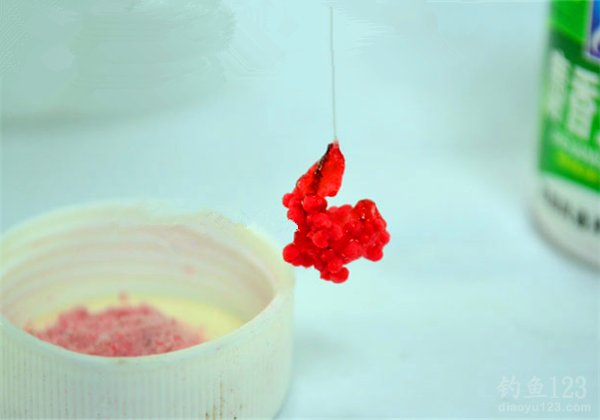
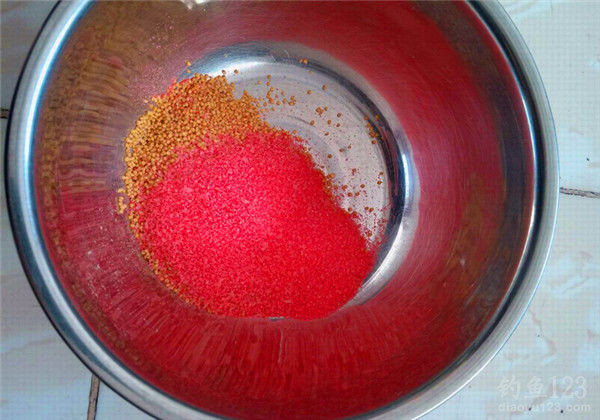
Second: balance the ingredients. You can’t just dump a bag of powder into a bucket and call it a day. Let’s talk about texture: summer fish love a mix of coarse and fine particles. Coarse stuff (think whole corn, broken wheat, or pellet chunks) sinks slowly and creates a “feeding zone” that draws fish in. Fine particles (cornmeal, rice bran) dissolve in the water, releasing scent and keeping fish hanging around longer.
Pro tip: add alcohol. Wait, no—hear me out. A splash of beer or wine in your bait mix makes the scent spread 3x faster. Summer water is warm, so scents dissipate quickly. That little kick? It turns your bait into a underwater billboard that says, “FREE FOOD HERE!” I’ve caught 10+ fish in an hour just because I added a beer chaser to my corn mix. Don’t judge—fish love a party.
1.2 Bait Quantity: Less is More… Except the First Time
Here’s the mistake 90% of anglers make: they either dump 10 pounds of bait into the water (hello, overfeeding) or toss a handful (hello, no fish). Let’s fix that.
- First cast: go big. Your initial bait drop needs to be enough to “announce” your presence. Think of it like ringing a dinner bell loud enough for the whole neighborhood to hear. For a reservoir, that’s 2-3 pounds of coarse bait (corn, pellets) mixed with fine particles. Too little, and fish won’t notice. Too much, and they’ll eat once and leave.
- After that: go small. Once fish are in the area, you don’t need to flood the zone. A handful of fine particles every 30 minutes is enough to keep them around. I once overfed a school of bass—they just floated to the surface and stared at me like, “Dude, we’re full.” Rude.
Night fishing hack: bring extra bait. Summer nights are when the big fish come out to play, and they’re hungrier. I’ve run out of bait at 2 a.m. and watched a 20-pound catfish swim right past my hook. Never again.
2. Lure Casting: Timing, Technique, and Not Being a Dummy
So you’ve got the perfect bait—now what? If you cast it wrong, you might as well throw it in the trash. Let’s talk about the casting moves that actually get fish biting.
2.1 Timing is Everything (No, Seriously)
Wild waters are tricky. One minute the water is calm, the next a breeze picks up and your bait drifts 10 feet off target. Here’s when to cast:
- Early morning/late evening: Summer sun warms the water fast, so fish move to deeper, cooler spots during the day. Cast at dawn or dusk when they’re feeding near the surface.
- After a storm: Rain washes nutrients into the water, which means bugs and small fish are active. Fish follow the food—so cast right after the rain stops. I once caught 5 bass in 20 minutes post-storm. Game. Changer.
Pro move: watch the water. If you see fish jumping or splashing, cast right there. Don’t overthink it—fish are already feeding, so your bait just needs to join the party.
2.2 The “Float Then Sink” Trick
Here’s a secret I learned after 3 years of failing: wild fish don’t all hang out at the bottom. Some are in the middle layer, some near the surface. So why cast only to the bottom?
My go-to strategy: start with float fishing, then switch to bottom fishing. Here’s how it works:
- Use a 4-5 foot rod (short enough to cast accurately, long enough to reach mid-water).
- Tie a small float to your line, then attach your lure. Cast it so the float sits 1-2 feet below the surface.
- Wait 10-15 minutes. If you get bites, keep going. If not, it’s time to drop down.
- Remove the float, add a weight, and cast to the bottom. By now, your initial float bait has drifted down, so fish are already in the area. It’s like setting a trap—they swim down for the food and find your hook.
Why does this work? Because you’re not just luring fish—you’re guiding them. Summer fish are lazy, so if you make them work less, they’ll bite more.
2.3 Keep the Bait Coming (But Don’t Spoil Them)
Imagine you’re at a buffet—if the food disappears, you leave. Fish are the same. That’s why “continuous feeding” is non-negotiable.
My favorite hack for this: “dip and cast”. Here’s how:
- Take a small bucket of your fine bait mix (cornmeal, rice bran).
- Dip your hook (with a worm or lure) into the bucket before casting.
- Every time you cast, a little bit of the mix dissolves in the water, releasing scent. It’s like a “mini feed” that keeps fish curious.
Another trick: use a “bait bag.” Tie a mesh bag of coarse bait to your line and cast it near your hook. The bag slowly releases bait, so there’s always food in the area. I’ve caught catfish that stayed in the same spot for 2 hours just because of that bag. They were like, “We’re not leaving—this is our spot now.”
2.4 Don’t Be a “One Spot Wonder”
Here’s the biggest mistake I see: anglers set up in one spot and refuse to move. Newsflash: fish move. They follow currents, food, and shade. If you’re stuck in the same spot for 2 hours with no bites, move.
How to find new spots:
- Look for shade: trees, docks, or overhanging branches. Fish love cool, dark spots.
- Check for structure: rocks, logs, or drop-offs. These spots hide bugs and small fish, so big fish hang out there.
- Follow the current: in rivers, fish swim with the flow to find food. Cast downstream of a bend—fish will drift into your bait.
I once sat in the same spot for 3 hours with zero bites. I moved 10 feet to a log, and within 5 minutes, I caught a 15-pound carp. Moral of the story: stubbornness doesn’t catch fish. Movement does.
3. Real Talk: What I’ve Learned the Hard Way
Let’s get personal. I’ve had days where I caught nothing but frustration, and days where I filled my cooler before noon. Here are the lessons I wish someone had told me:
- Your bait doesn’t have to be fancy. I’ve caught more fish with corn and bread than with $20 lures. Wild fish don’t care about brand names—they care about food.
- Patience is not optional. I once waited 2 hours for a bite in 90-degree heat. When I finally felt the tug, it was a 22-pound catfish. Worth every sweat drop.
- Don’t overcomplicate it. The best lures are the ones that mimic what fish eat naturally. If you see fish jumping for bugs, use a bug lure. If you see them eating corn, use corn. Simple.
Last summer, I took my little brother fishing. He was complaining about “not catching anything” until I told him to use a piece of bread. Within 10 minutes, he reeled in a 10-pound bass. He still brags about it. See? Simple works.
So there you have it—my no-BS guide to luring fish in summer wild fishing. It’s not about fancy gear or expensive lures. It’s about knowing your bait, timing your casts, and not being afraid to move. Now go grab your rod, mix up some bait, and let’s catch some fish. Just don’t forget the sunscreen—sunburns suck, but empty coolers suck more.