



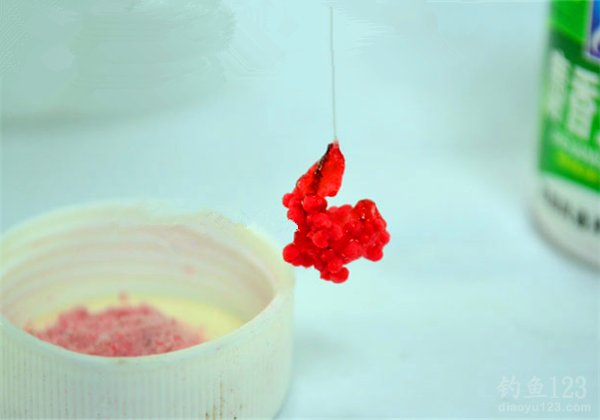
Traditional Baiting Techniques for Old-School Anglers: A Guide to Dipping Baits
Let’s be real—there are a million baiting methods out there these days, and half of them feel like overcomplicated TikTok trends. But if you’re an old-school angler like me? You know the magic of sticking to what works. Traditional dipping bait? It’s not just a method—it’s a vibe. It lures fish in while making them bite, and I swear by it for those days when you just want to relax and catch something (without a 20-step setup). Today, I’m spilling all my secrets about how to use this classic technique—no fancy gear, just good old-fashioned know-how. Let’s dive in!
First Things First: Read the Water (Before You Even Cast)
You can’t just plop your bait anywhere and expect results. Old-timers know: the water tells you everything. Before you grab your dipping bait, take 5 minutes to scope out the spot. What’s swimming down there? If you’re seeing tons of small junk fish (like minnows or sunfish) or even big ol’ carp, wait—those guys will steal your bait before the real trophies show up. But if the water’s quiet, with just a few ripples here and there? That’s your sweet spot. Time to cast!
When to Use Dipping Bait (and When to Skip It)
Here’s the thing: dipping bait isn’t for every moment. If the fish are hitting your regular bait like crazy? Don’t mess with a good thing. Skip the dip. But when the bite slows down? That’s when dipping bait shines. It’s like a little snack bar for the fish—replenishing the area and keeping them hanging around. I’ve used this trick dozens of times at my local reservoir in summer, and it’s saved my trips more than once when the bite died down.
Dipping Bait 101: Depth, Water Clarity, and Location Rules
Okay, let’s get into the nitty-gritty. Dipping bait has a superpower: it dissolves fast. But that’s also its kryptonite if you don’t use it right. Here’s what you need to know:
Depth: Stick to Shallow Water (50-100 cm Max)
If you’re fishing in deep water (like over 100 cm), forget it. That dipping bait will dissolve before it even hits the bottom, and all you’ll have is a cloud of bait floating away—no fish, just wasted time. I learned this the hard way last spring when I tried dipping bait in a 2-meter-deep lake. By the time the bait reached the bottom? Nada. Zilch. Now I stick to 50-100 cm (that’s about 1.5 to 3 feet for my imperial friends), and it works every time.
Water Clarity: Yellow or Clear = Win, Muddy = Lose
Dipping bait needs to be seen to work. If the water’s muddy (like after a rainstorm), the bait dissolves but the fish can’t smell or see it. Yellowish or clear water? Perfect. I once fished a reservoir where the water was so clear I could see my hook—caught 3 bass in an hour with dipping bait. Muddy water? I’ve sat there for 2 hours with zero bites. Trust me on this.
Location: Still Water Only (Rivers = No Go)
Another mistake I made early on: trying dipping bait in a fast-moving river. The current swept the bait away before it could do anything. Dipping bait is for still water—lakes, ponds, reservoirs, even slow-moving canals. Rivers? Stick to regular bait or spinners. Save yourself the frustration.

How to Cast Dipping Bait Like a Pro (No Splash, No Chaos)
Since dipping bait dissolves fast, your cast has to be on point. No splashing, no rushing—just smooth, steady moves. Here’s my go-to method:
- Use a long rod with short line. This lets you place the bait exactly where you want it, without overcasting.
- Cast light. No swinging the rod like a baseball bat. A gentle flick is all you need.
- Let it sink slow. Don’t yank the line—let the bait drift down naturally. This gives the fish time to find it.
Last month, I was fishing a small pond with my old 3-meter rod and short line. I cast the dipping bait so gently it barely made a ripple, and within 2 minutes, a 2-pound catfish took it. Perfect example of how a smooth cast makes all the difference.
Weather: When to Fish (and When to Pack Up)
Old anglers don’t just watch the water—we watch the sky. Dipping bait is finicky about weather, so here’s what to look for:
Wind: 4+ MPH = Go Home
Wind is the enemy of dipping bait. If it’s blowing hard (4+ mph), the waves will mess up the bait’s path, and it won’t land where you want it. I once stayed out in 5 mph wind and didn’t catch a single fish. By the time I packed up, my hands were freezing and my bait was gone. Now? If the wind’s over 4 mph, I hit the road. Life’s too short to waste a day fighting the elements.
Seasons: Best Times to Use Dipping Bait
Dipping bait isn’t for summer—wait, let me clarify: summer’s bad because of all the tiny fish. They’ll swarm your bait before the big guys can get to it. But late spring, late fall, and early winter? That’s when it’s golden. The water’s clear, the tiny fish are less active, and the big fish are hungry. I caught my personal best bass (4 pounds!) last October using dipping bait. Game. Changer.
Final Thoughts: Stick to What Works (But Don’t Be Afraid to Experiment)
Look, there are a million new fishing trends out there—some work, some don’t. But if you’re an old-school angler like me? You don’t need fancy gadgets. You need knowledge. Dipping bait is a classic for a reason: it’s simple, effective, and lets you enjoy the day without stress. I’ve used it for 20 years, and I still learn something new every time I cast.
Last week, I took my 10-year-old nephew fishing, and I taught him how to use dipping bait. He caught his first fish (a 1-pound bluegill) in 10 minutes. He was so excited he talked about it for days. That’s the magic of traditional methods—they’re not just about catching fish. They’re about passing down stories, spending time outside, and remembering why we love fishing in the first place.
So next time you’re heading out, skip the fancy lures and give dipping bait a try. Just remember: read the water, stick to shallow still water, cast light, and watch the weather. You might be surprised at what you catch. And hey—if you have a favorite dipping bait story? Drop it in the comments. I’d love to hear it!


