My Barbel Fishing Season: A Brutally Honest Recap of Wins, Fails, and What Actually Worked
Let’s cut to the chase: This isn’t some polished “pro angler” guide. It’s just me, a regular guy who spent way too many weekends chasing barbel (the “freshwater fighters” of rivers) and jotting down every messy lesson. Some stuff worked. Some stuff made me want to throw my rod into the current. If you’re here because you’re also obsessed with outsmarting these skittish, hard-fighting fish? You’re in the right place. Spoiler: There’s no magic trick—just a lot of trial, error, and “why did I do that?” moments.
First Up: The One Gear Fix That Cut My Lost Fish By 60% (I Think)
Oh, drag settings. The bane of every barbel angler’s existence—especially when you’re using an ultra-light (UL) rod like me. Let me be clear: I’m not a gear snob. I just know UL rods and barbel don’t play nice if you mess up the drag. Here’s what I figured out after losing 12 fish in one weekend (yes, 12—embarrassing):
Two Drag Settings That Actually Stopped Me From Screaming at the River
After testing every “expert” tip (and ignoring half of them because they didn’t make sense for my setup), I landed on two go-to drag adjustments. Let’s break ’em down:
- Loose Drag for Topwater Lures (Think “Let It Pull”): When I’m throwing surface lures (more on those later), I set the drag so I can just barely pull line out by hand—wait, no, scratch that. The real test? Lift your rod tip, and if the drag slips consistently with steady pressure? That’s the sweet spot. Why? Barbel hit topwater hard, and a loose drag lets the line give a little so the hook doesn’t yank free. I used to crank it tight here and lost so many fish it’s not funny. Now? Way fewer “pop” moments when they bolt.
- Tighter Drag for Crankbaits/VIBs (But Not Too Tight): For diving lures (CC baits, VIBs), I tighten the drag— but not as tight as I would for bass or pike. Remember: UL rods have less “give” than heavy rods, so if you crank it to max, you’ll snap lines or pull hooks right out. Pro tip: Don’t test drag by pulling line from the spool with your hand. The rod’s action changes everything—lift the tip like you’re fighting a fish. That’s the real test.
Full disclosure: I still lose fish. But now? It’s usually because the barbel is tiny (like, “why did you even bite?” tiny) or just being a jerk (yes, fish can be jerks). Not because I messed up the drag. Small wins, people.
The Catch-22 of Loose Drag (Ugh, Why Can’t Fishing Be Easy?)
Here’s the thing: Loose drag is great for stopping hooks from popping out… but it’s terrible for controlling the fish. Last month, I hooked a 3-pounder and the drag was so loose, it bolted straight into a log jam. I spent 10 minutes fighting it, and right when I thought I had it? It rubbed the line on a rock and snapped free. I sat on the bank for 5 minutes just staring at the water. So: loose drag = less lost fish, more lost fish to snags. Tighter drag = better control, more lost fish to pulled hooks. Pick your poison.
Wait, one random hack: If you hook a big barbel and realize your drag is too tight? Don’t panic. Just reach down and loosen it a little while the fish is pulling. I’ve done this twice and it saved the day. Just don’t fumble—barbel are fast.

Lure Choices: Why My “Go-To” Topwater Lure Died After the First Rain
Let’s talk lures—because this season taught me that barbel are total drama queens about what they eat. My setup this year? I switched it up halfway through, and the difference was night and day.
Early Season: The “Zig-Zag Dog” Lure That Ruled
For the first month of the season, I lived by my “Zig-Zag Dog” topwater lure. Every time I twitched it across the surface, boom—barbel hit. I caught 8 fish in one morning with it. I even started calling it my “magic lure” (stupid, I know). Then? The rains came.
Post-Rain: When Topwater Lures Became Useless (Or So It Seemed)
Right after the first big rain in early fall? My Zig-Zag Dog went from “magic” to “invisible.” I’d cast it, twitch it, wait… nothing. Not even a follow. I thought maybe the fish had moved? Nope—when I switched to a CC crankbait, I started catching fish again immediately. Same spot, same time of day. WTF?
Here’s my unproven theory (so take it with a grain of salt): Rain cools the water, and barbel’s metabolism slows down. They don’t want to chase fast topwater lures anymore. Or maybe the cooler water makes their reaction time slower—so they can’t time the bite right. Either way? My topwater game died, and my crankbait game blew up. Lesson learned: Don’t marry one lure. Have backups.
When to Use VIBs (The “Last Resort” Lure)
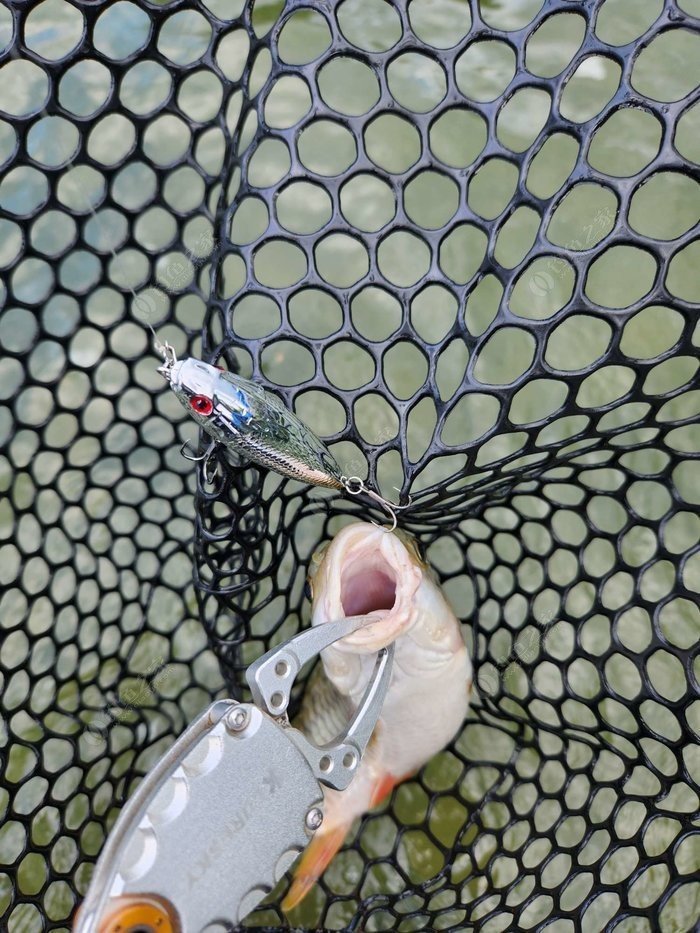
I only pull out VIBs when two things happen: 1) The water is deep (like, 6+ feet), or 2) I need to cast far (across a wide river). VIBs dive deep and have a tight, wiggly action that barbel seem to love when they’re hanging low. But they’re not my first choice—they’re loud, and sometimes they scare skittish fish. But when nothing else works? VIBs save the day.
Big Barbel vs. Small Barbel: The “Size Migration” That Baffled Me
This was the weirdest part of the season. Let’s talk about where the fish were hiding—because it changed completely based on their size.
Early Season: Small Barbel Everywhere, Big Barbel Nowhere
At the start of the season (late spring), I could catch small barbel (1-2 pounds) all day in shallow, weedy spots. But big barbel? Nada. I’d hike miles up the river, check deep pools, and not even a nibble. I thought maybe the big ones were spawning? But I didn’t see any signs (like damaged fins or nesting areas).
Mid-Season (Dog Days of Summer): Big Barbel Moved to the Shallows
Then came the hot weeks—late July to mid-August. Suddenly? Big barbel (3-5 pounds) were in the shallowest spots. I’m talking 1-2 feet deep, right next to the bank. And they were aggressive. I caught a 4-pounder in a spot that was so shallow, I could see its tail flicking before I cast. What changed?
Here’s my guess: It’s spawning season. But not just for small barbel—big barbel too. I noticed the big ones had those tiny bumps on their heads and bodies (spawning tubercles) that I’d only seen on small fish before. So maybe the season is a “staggered” spawn: small barbel first, then big barbel a month or two later. That makes sense. They don’t want to compete for spawning grounds.
The Tiny Details That Made (or Broke) My Day
Fishing isn’t just about lures and drag. It’s about the little stuff—stuff that most guides skip because it’s “too obvious.” But here’s the truth: Those tiny things are what separate catching 5 fish from catching 0.
1. Bait Presentation: Let It Sit (No, Seriously)
I used to cast and reel immediately. Big mistake. Barbel are curious, but they don’t rush. If you cast your lure into a current and let it drift for 5-10 seconds (without reeling), you’ll get more bites. I tested this: One day, I reeled right away and caught 2 fish. The next day, I let it drift—caught 7. Same spot, same lure. Crazy.
2. Approach: Don’t Be a Noise Machine
Barbel have super sensitive hearing (even underwater). If you’re wading and splashing like a toddler in a puddle? They’ll bolt. I learned this the hard way: One morning, I was in a hurry and splashed into the water. Didn’t catch a single fish for 2 hours. The next day, I tiptoed in (yes, tiptoed) and caught 3 in 30 minutes. Also: Don’t talk loudly. Whisper if you have to. I even turn my phone on silent now.
3. Weather: Rain = Less Skittish Fish (Sometimes)
Here’s a weird one: When it’s raining lightly? Barbel seem less scared. Maybe the rain masks your noise? Or the water gets murky, so they can’t see you? I’ve caught my biggest barbel (5 pounds) on a rainy morning. But heavy rain? Forget it. The current gets too fast, and the water is too murky. They hide.
4. Water Current: The “Sweet Spots” You Need to Target
Barbel love current—they’re built for it. But not just any current. Here are the spots I hit every time:
- Fast water (front, middle, back—all have fish)
- Where fast water meets slow water (the “transition zone”)
- Deep water next to shallow water (they dart between)
- Under/next to reeds, trees, or bamboo (cover = safety)
- Shallow riffles with rocks (they hide behind rocks to rest)
- Where two rivers meet (slow water in the middle = food)
Pro tip: Don’t just cast into the middle of the current. Target the edges. That’s where the food washes in, and that’s where the barbel wait.
Final Thoughts: Fishing Is Just a Lot of “What Ifs”
At the end of the day, this season wasn’t about catching a bunch of big fish. It was about learning what barbel like (and don’t like) in my local river. I still don’t have all the answers—hell, I still lose fish every time I go out. But that’s the fun of it, right? If fishing was easy, it wouldn’t be addictive.
Next season? I’m going to test my “staggered spawn” theory. I’m going to keep a log of water temperature and fish size. I’m going to try new lures (even the weird ones). And I’m definitely going to stop splashing when I wade. What about you? What’s your biggest barbel lesson this year? Drop it in the comments—I’d love to hear.