My Winter Night Carp Fishing Adventure in Pudong: From Zero Bites to a Crazy Haul
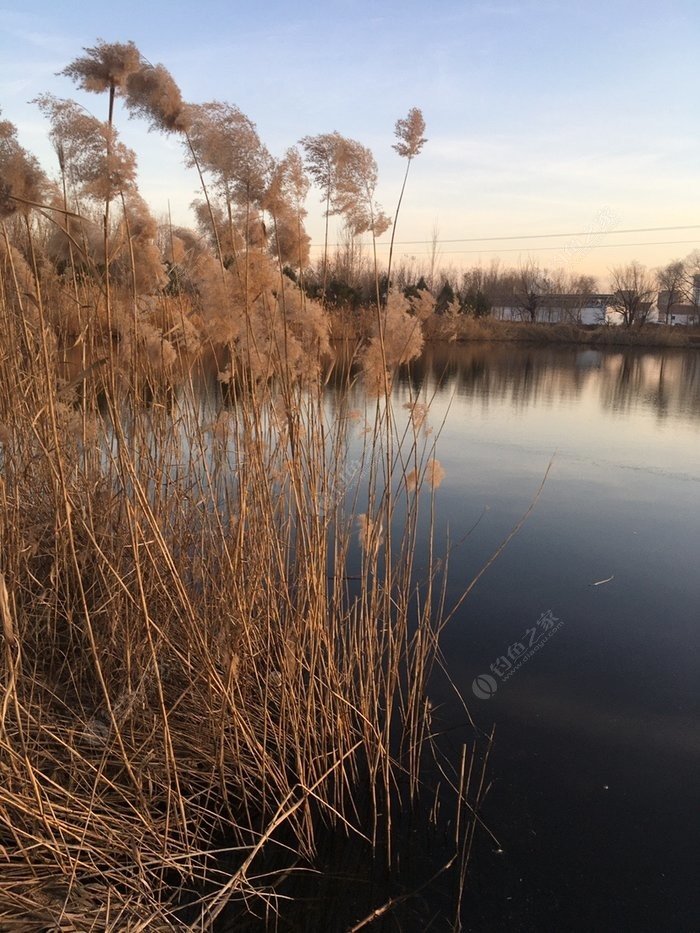
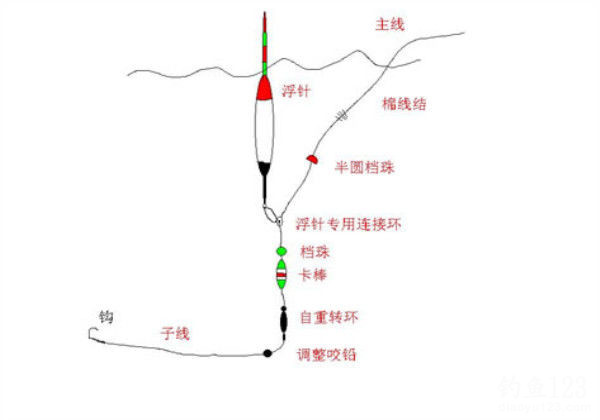
Let me set the scene: it’s November 20, 2025, and I’m standing by the Zhangjiabang River near Pudong’s Sanqiao. The air is already crisp, and the forecast says the nighttime low will drop to 8°C (46°F). I’ve got my 4.8m rod rigged with 2.0 main line, 1.0 leader, a fishy-sweet bait mix, and a tiny 1g float paired with 10cm short leaders. I arrived at 6 PM sharp, ready to prep my spot and start catching big crucian carp (the “big boards” we anglers love so much).

I spent the first five hours casting, chumming, and waiting… and nothing. Not a single nibble. Nada. Zilch. To make matters worse, the guy fishing 10 feet away from me was catching a few small crucian carp from a 1.3m deep spot, while my 2m deep “perfect old fishing spot” near the pier was dead silent. I was so stubborn—this spot had always been good before, right? There’s no way I picked the wrong place. I almost packed up at 11 PM, shivering and ready to call it a loss.
Then, out of nowhere, my float twitched. Just a tiny flick, less than half a line width. I hesitated for a second, then struck—and felt that satisfying weight of a big crucian carp on the line! Turns out, winter carp bites are so subtle you can barely see them, but that tiny 1g float made all the difference. I could spot even the faintest movement with my headlamp.

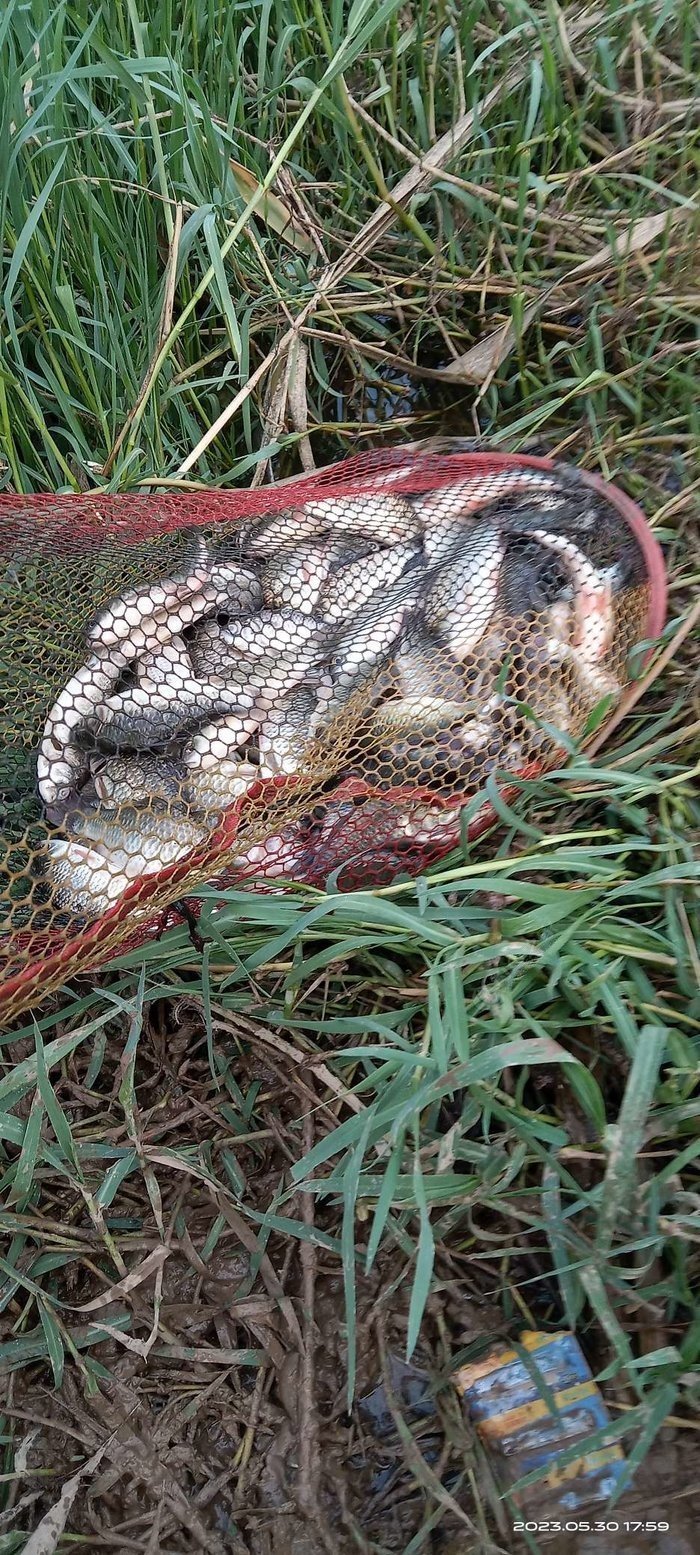
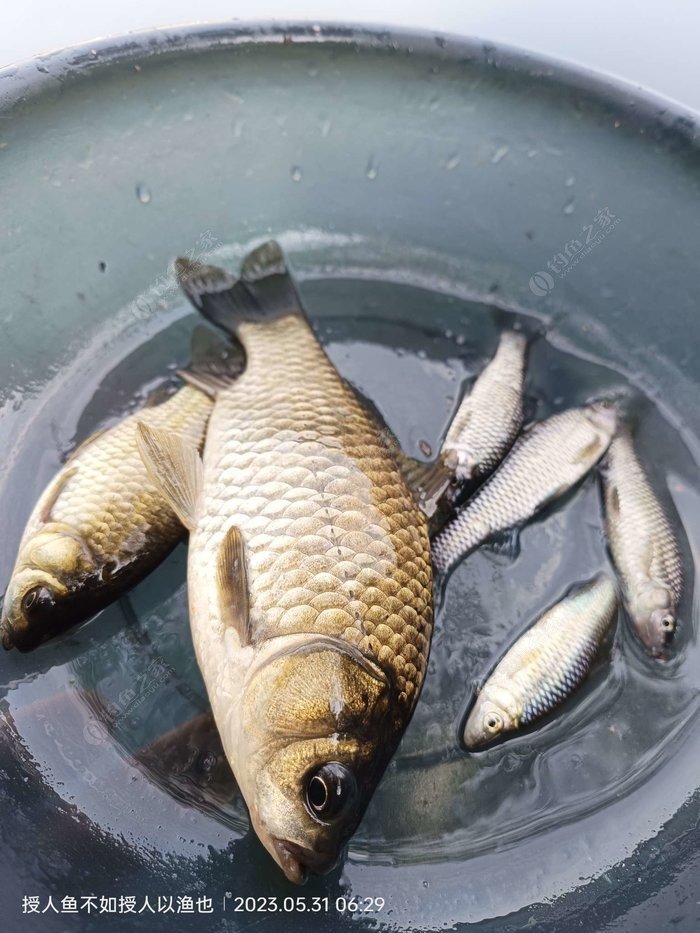
I fished straight through until 1:30 AM, and in those two and a half hours, I reeled in 13 chunky crucian carp, each weighing around 3 taels (about 150g). I was grinning like an idiot, even though my toes were numb. That’s what we call a perfect turn-around!


Round 2: Proving It Wasn’t a Fluke
Three days later, on November 23, I was back at the exact same spot with the exact same setup. The only difference? The nighttime low was 12°C (54°F). This time, the bites started at 10 PM, and by 1 AM, I’d landed 16 big crucian carp. The guy who insisted on fishing on the opposite bank? He went home empty-handed. Total zero. That’s when I knew my luck wasn’t just a one-time thing—there were actual patterns at play here.

The 3 Secrets to Winter Night Big Crucian Carp Success (From a Stubborn Angler’s Mistakes)
After two back-to-back successful trips (and one very frustrating first half of a night), I’ve put together the three most important lessons I learned about catching big crucian carp on winter nights. These aren’t fancy tricks—they’re simple, actionable tips that made all the difference between going home empty-handed and having a cooler full of fish.
1. Match Your Water Depth to the Temperature Drop
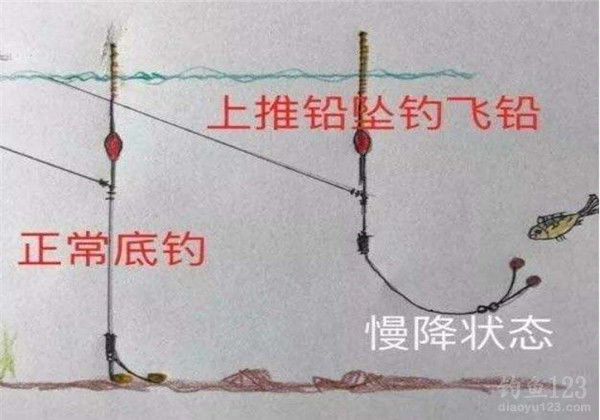
Here’s the big one I learned the hard way: winter crucian carp don’t stay in the same depth all night. When the temperature drops sharply after sunset, the fish spend the early night in shallower water where the temperature is a bit warmer. Once the air cools down completely (usually around 11 PM to midnight), they move to deeper water to find more stable temperatures.
On my first trip, I stuck to my 2m deep spot all night, but the fish were still in the 1.3m shallow area until the temperature hit 8°C. That’s why the guy next to me was catching fish while I was twiddling my thumbs. By the time I almost gave up, the fish had finally moved to my deeper spot!
- If the day-night temperature difference is 10°C or more, expect fish to stay shallow until 10 PM or later.
- Stick to depths between 1.8m and 2.5m for the late night—any deeper and the water might be too cold or low in oxygen.
- Avoid spots with extreme depth changes; fish prefer gradual slopes where they can move up and down easily as temperatures shift.
2. Ditch the Electronic Float—Go Tiny for Faintest Bites
Winter crucian carp are sluggish. They don’t bite hard like they do in the summer. Most bites are just tiny flicks or a barely perceptible dip of the float. Electronic floats might be convenient for night fishing, but they’re usually heavier and less sensitive to those subtle movements.
My 1g float was a game-changer. Even with my headlamp shining on it, I could spot the half-movement nibbles that would have been invisible on a big, bulky electronic float. I’ve since tried a 0.8g float too, and it’s even better—just make sure you can cast it accurately with your rod.
- Choose a float with a thin, bright tip that’s easy to see in low light (a fluorescent red or orange tip works best).
- Test your sensitivity: if your float doesn’t move when you gently tap the bait in the water, it’s too heavy.
- Keep your line tight between the rod tip and the float—slack line will delay signal transmission and make those tiny bites even harder to spot.
3. Short Leaders = Faster, More Reliable Bites
I used to think long leaders were better for avoiding spooking fish, but winter is a different story. When fish are slow and lazy, they don’t want to chase bait or wait for the signal to travel up a long leader. Short leaders (10cm to 15cm) transmit the bite signal to your float instantly, so you can strike before the fish has time to spit out the bait.
Even if the water has a slight current, short leaders work better in winter. The fish don’t have the energy to fight against the current to get to the bait, so keeping it close to your hook means they don’t have to work as hard. I tried longer leaders on a warm winter night once, and I missed three times as many bites as I did with short leaders.
- Use fluorocarbon leaders if you can—they’re less visible in clear winter water, so fish are more likely to bite.
- Pair short leaders with small hooks (size 3 to 5) to make it easier for fish to take the bait fully into their mouths.
- Don’t worry about spooking fish with short leaders; winter carp are too focused on eating to be scared of a little extra line near the hook.
Final Tips for Winter Night Fishing Success
Before I sign off, let’s talk about the one thing no one tells you enough: stay warm. I wore three layers of socks, waterproof boots, a thermal jacket, and a neck gaiter, and I still had to stamp my feet every 10 minutes to keep my toes from going numb. Bring a thermos of hot tea or coffee, too—nothing beats a sip of warm liquid when you’re waiting for a bite in the cold.
And one last thing: don’t be stubborn like the guy who fished on the opposite bank and got skunked. Pay attention to the conditions, watch what other anglers are doing (but don’t copy blindly—test things out for yourself!), and be patient. Winter night fishing is slow at first, but when the bite turns on, it’s worth every freezing minute.
If you try these tips, let me know how it goes! I’d love to hear about your winter night crucian carp catches. Tight lines, stay warm, and happy fishing!