The Ultimate Winter Fishing Challenge: Ice, No Fish, and Spear Fishermen Galore
Let me tell you about my recent fishing trip. It was December 15th, 2024, and it perfectly encapsulated why winter fishing can be an exercise in pure, unadulterated frustration, mixed with a bizarre kind of zen. The title of this saga? “Tough Fishing to Begin With, Then Spear Fishermen Show Up to Ruin the Vibe, Honestly Out of Ideas, Guess I’ll Try Breaking Ice Tomorrow.” Yeah, that about sums it up.

Winter’s Grip: When the Fish Just Shut Down
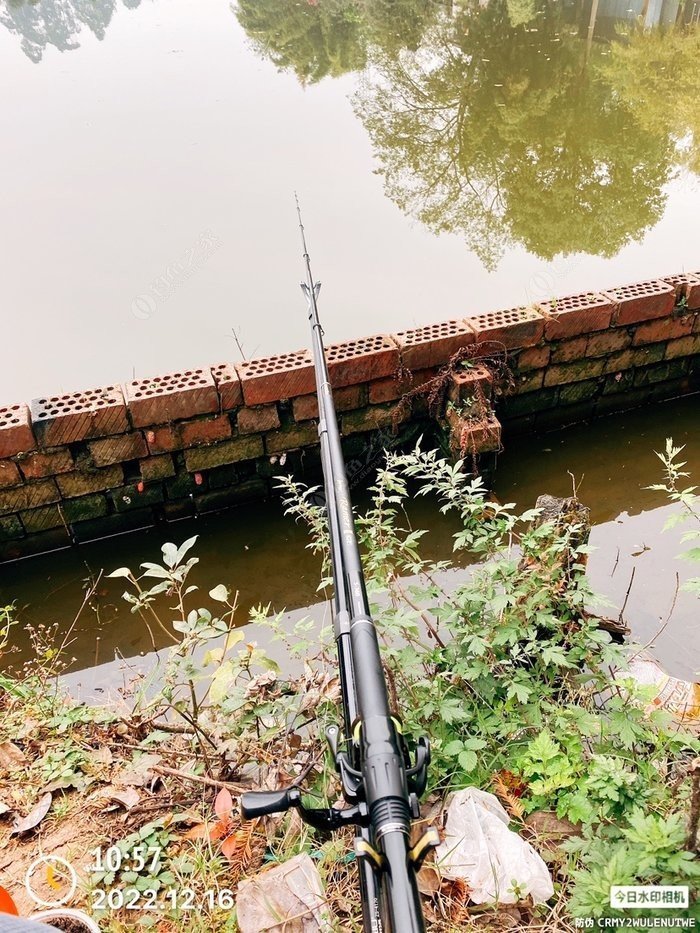
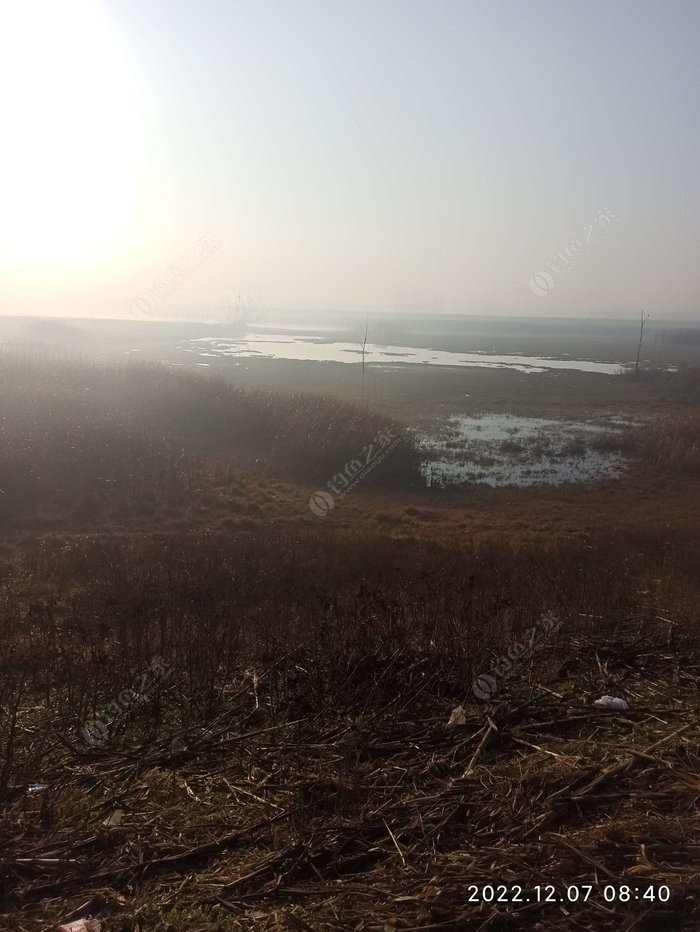
First, let’s set the scene. The air temperature was hovering right around the freezing mark. You know that kind of cold? It’s not brutally icy, but it’s just enough to make everything feel sluggish – including, most importantly, the fish. For us traditional anglers using rods, reels, and bait, the late fall and early winter months are arguably the most challenging time to fish in the wild. The metabolism of the fish slows way down. They aren’t actively chasing meals; they’re in energy-conservation mode, hunkered down in deeper, slightly warmer pockets of water. Your beautifully presented bait? It might as well be a piece of driftwood to them. The “activity” level is near zero. So, you’re already battling against nature’s own “Do Not Disturb” sign.
The Uninvited Guests: The Modern Spear Fisherman
Just when you think you’re alone in your misery, embracing the quiet struggle, you hear the distinct swish-thwack of a heavy line being cast. You look over, and there they are. The spear fishermen. Now, I’m not talking about the old-school guys with a hand spear. Oh no. This is the 21st-century version.
For these folks, this chilly period isn’t a challenge; it’s their golden hour. Their prime time. The logic is simple: where there are fish (even lethargic ones), there will be spear fishermen. And their gear? Let’s just say it’s moved light-years beyond what I remember from just a few years ago.
High-Tech Hunting, Not Fishing
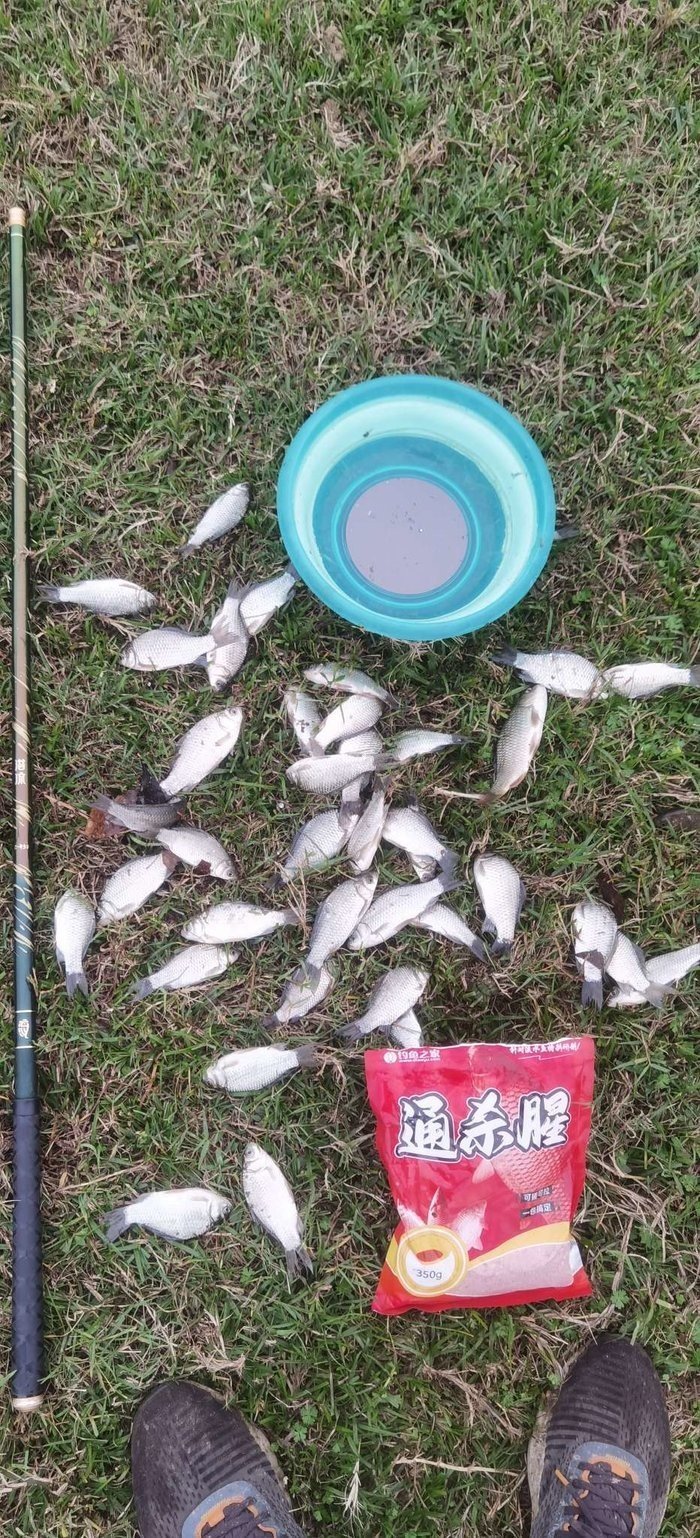
These anglers – and I use the term loosely here, as what they do feels more like hunting – are equipped with rods that have built-in video monitors. They lower a camera down into the water, scan the murky depths in real-time, spot a fish, and then literally snag it with a heavy, multi-hooked weight. It’s a guaranteed catch if a fish is in the camera’s view. No waiting, no finesse, just a direct video game-like retrieval system. Naturally, their “catch rate” has skyrocketed compared to the old methods.
Now, I’ve heard that this method, “snagging” or “spearfishing” with a weighted hook, is illegal in many places. Is it actually against the law here? I haven’t sat down and poured over the local fishing regulations line by line, to be perfectly honest. But I see it all the time on the riverbank. It’s not a rare sight anymore.
My internal conflict is real. Part of me thinks, “Hey, we’re all people who enjoy being by the water, interacting with fish in our own ways.” I don’t want to be that grumpy angler who’s just jealous because someone else is catching fish and I’m not. That’s a bad look. So, my initial reaction was a resigned shrug. The fishing was terrible anyway, the spear guys were here… maybe it was just time to pack it in.
The “Friendly” Advice and False Hope
And you know what? Some of these spear fishermen are genuinely friendly folks. As I was starting to reel in my barren line, one of them called over. He was actually trying to be helpful! He pointed out areas of the water, saying, “That stretch over there has a lot of carp, but this part here is pretty empty for us.” He even volunteered that they specifically target the bigger fish, “ones two pounds and up,” assuring me that their activities don’t really impact us rod-and-reel anglers that much because they’re after different prey.
I nodded, gave a half-smile, and packed my gear. But that’s the curse of the angler, isn’t it? The false hope. The “what if.”
The Siren Call of the Unproductive Fishing Spot
I drove home, but my mind didn’t leave the river. I kept thinking about the bait I’d laid down earlier. That carefully crafted groundbait mix, sitting on the bottom, potentially forming a lovely little scent cloud. “What if a hungry fish wandered in just now?” “What if the spear guys left and the fish felt safe again?” The boredom of a slow afternoon mixed with this relentless, irrational optimism. By 1:00 PM, I couldn’t take it anymore. I had to go back. The lure of the “maybe” was too strong.

I returned to my spot. Sure enough, another spear fisherman was set up not too far away. He gave me a nod and mentioned he’d just speared a decent-sized carp, over three pounds. He was polite enough to add that he hadn’t been casting into my specific swim. I took it as a small mercy.
With renewed, albeit foolish, hope, I cast my line back into the same spot. The cold was biting now, a sharp, bone-chilling wind cutting across the water. But I was convinced. I felt it. If I just waited a little longer, stayed a little more patient, I’d get a bite. The float would dip, the rod tip would bend… something!
I sat there for over two hours. Two. Hours. The only thing moving was my float, drifting with the current. Not a tap. Not a nibble. Not a single sign of life. The realization slowly dawned: my spot was completely and utterly dead. Whether it was the natural cold, the disturbance from the nearby spear fishing activity churning up the water and spooking any cautious fish, or a combination of both, the result was the same. A grand total of zero. The spear fisherman had probably, however unintentionally, vacuumed up any chance I had. Defeated, for the second time that day, I packed up for good.
The Last Resort: Banking on a Frozen Tomorrow
So, what’s the next move when traditional fishing fails and modern “assistance” scuppers your plans? You look to an even more extreme version of tradition. The weather forecast for the next day promised temperatures firmly below freezing all day. The river was going to ice over. A solid sheet of ice was a certainty.
And here was my silver lining, my last bastion of hope: the spear fishermen can’t operate on solid ice. Their method requires an open water column to lower their camera and swing their heavy tackle. A frozen surface puts a hard stop to their “golden hour.”
The Plan: Embrace the Ice
My new plan formed instantly. Tomorrow, I’m going back. But this time, I’ll be bringing an ice chisel or a spud bar. I’ll have to physically break through the ice to create my fishing hole. It’s hard, manual labor. It’s cold, wet work. But it creates an opportunity.
- Quiet Access: The ice acts as a barrier, insulating the water from wind and surface disturbance. It can be incredibly quiet underneath.
- Concentrated Fish: In winter, fish often school up tightly. Finding one can mean finding many.
- No Competition: Most importantly, my spear-fishing friends will likely be absent. The peace and quiet of a frozen riverbank, with only the sound of my own gear, will be restored.
Will it work? Who knows! Winter fishing is a fickle beast. But the act of trying, of adapting, of moving from frustration to a new strategy, is a big part of why we do this. The hope is now transferred from today’s failed open-water attempt to tomorrow’s icy endeavor. Maybe, just maybe, in that silent world under the ice, the fish will be a little more cooperative.
So, if you see a guy on the frozen river tomorrow, hacking away at the ice with a determined look, that’ll be me. Chasing the next “maybe,” and honestly, just happy to have the river to myself again. Wish me luck. I’m gonna need it.