The Right Time, The Right Tackle, and the Fish Will Still Bite… Sometimes
Man, what a difference a good rain makes! The heavy downpour finally broke that sticky, suffocating heat, replacing it with this crisp, clean coolness. Stepping out in the early morning, a gentle breeze hits you, carrying a hint of faint floral scent with that refreshing chill. It’s late spring, but it feels like deep autumn—cool but not cold, dry but not parched. A perfect day to be outside, feeling clear-headed and energized. And you know what that means… it’s practically screaming for a fishing trip! A quick call to my fishing buddy, an early alarm, and we were out the door.
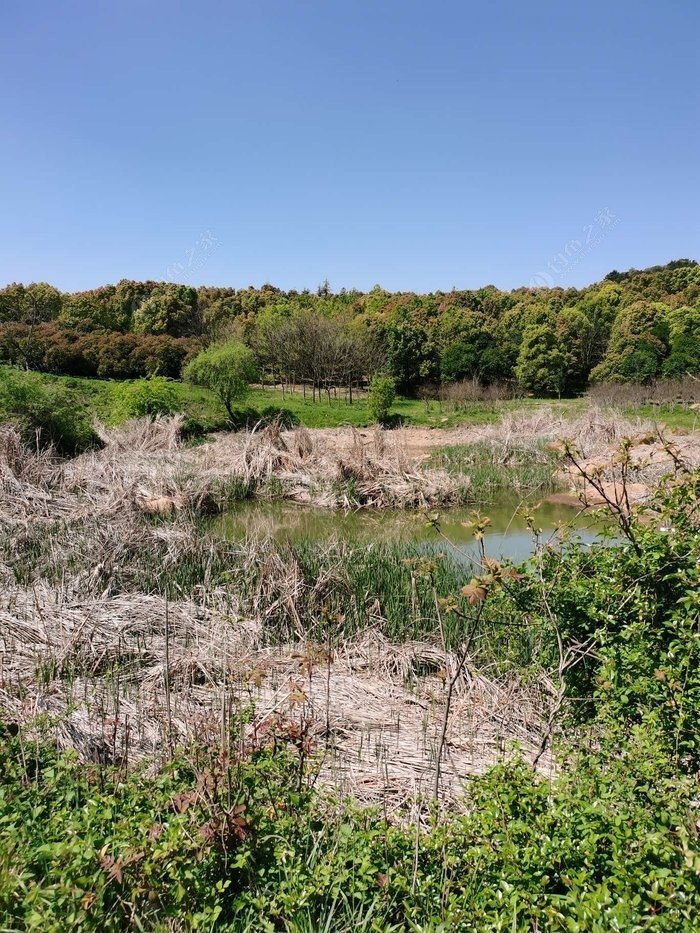
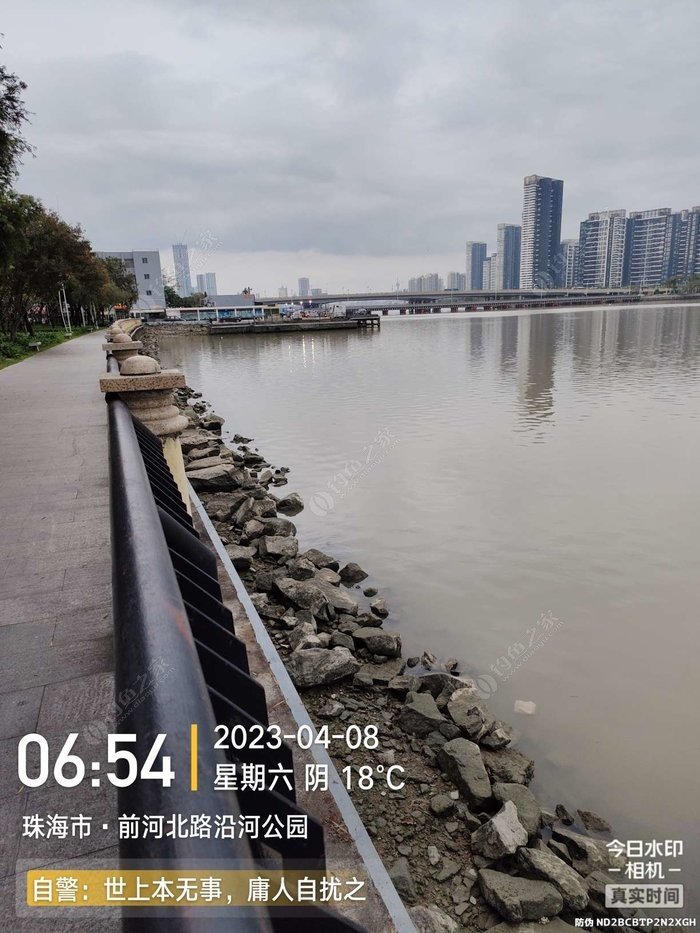
Met up with him at the riverbank. Our timing? Spot on. The water level was super low, but the big draw-down had finally stopped. The current was settling into a gentle, manageable flow. Finally, some stability!

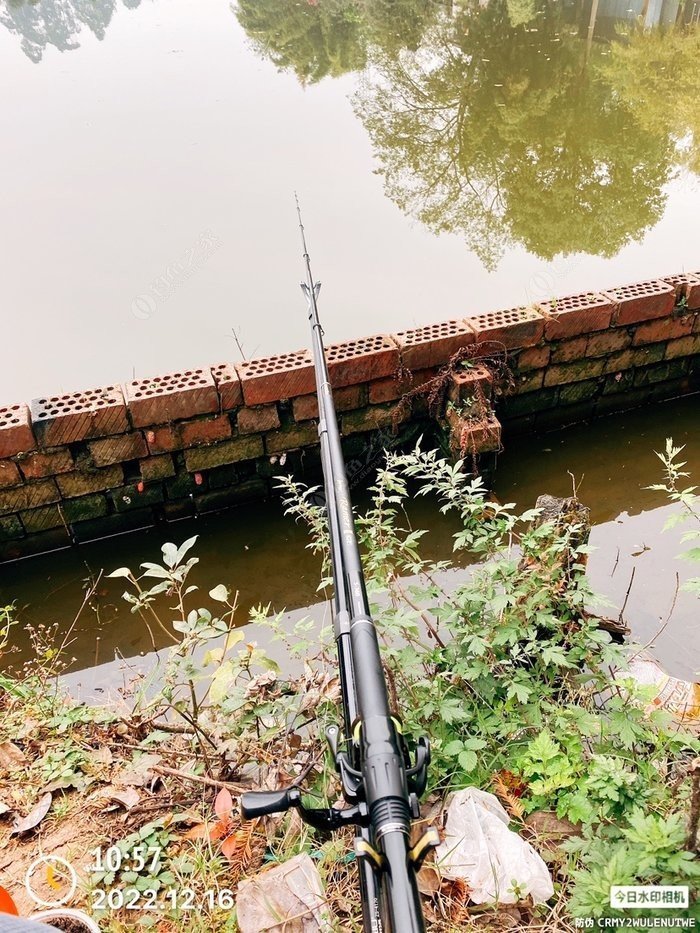
With the water conditions like this, a 5.4-meter rod was more than enough to handle the job. No need for anything crazy.

Gearing Up for the Session
Unloaded the gear, and it was time to get things ready. First order of business: bait. I went with the pre-mixed classic trio—a reliable, old-school combo. Mixed it with water to a nice, soft, sticky consistency. Perfect for the situation.
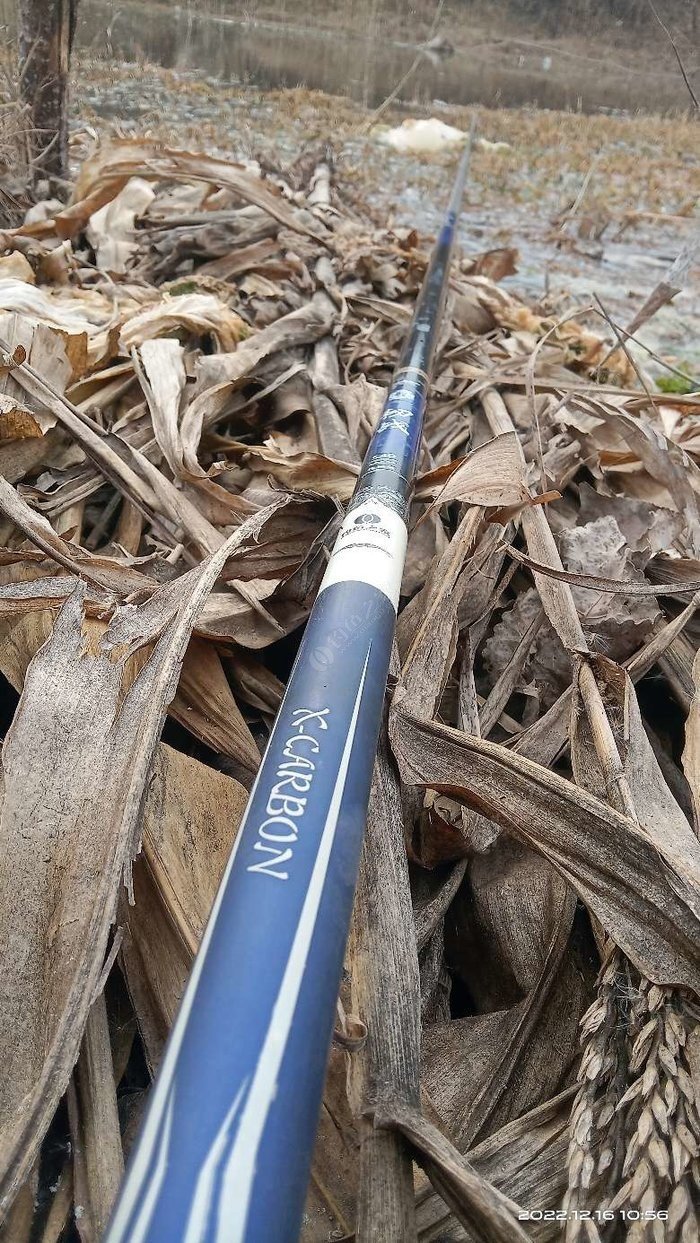
Then, the rod. I rigged up the Diaoyu Zhijia Wushuangli Diancang X Edition 5.4m. This rod is a dream—lightweight with a fantastic backbone. Even if I end up casting non-stop (hello, high-frequency fishing!), it doesn’t wear me out. Paired it with the new Wushuangli main line, the 4# version with the quick-change snap for leaders. Such a time-saver when you need to swap hooks or if you get snagged. The strong tensile strength gives you a fighting chance to rescue your rig from the dreaded underwater hang-up. For the business end, I went with a 0.6# braided leader and a pair of size 4 Is hooks. Topped it off with a Big Fish King float… the setup felt right.

Set the lead to touch bottom, adjusted the float to show 3 eyes above the water, baited the hooks, and… we were in business!


Respecting the Process: The Initial Casts
It’s wild fishing, folks. Even if you know the fish density is decent, you gotta pay your dues. The first step is always building the spot. You gotta show the fish some respect, you know? Just start casting and feeding the area. And let me tell you, choosing the right time makes ALL the difference. The water flow had calmed, the temperature was ideal, and the fish were clearly in a mood to eat. I’d only made a handful of casts when I saw it—a subtle, almost imperceptible lift of the float. Set the hook! First fish on, and it was a modest-sized bream.

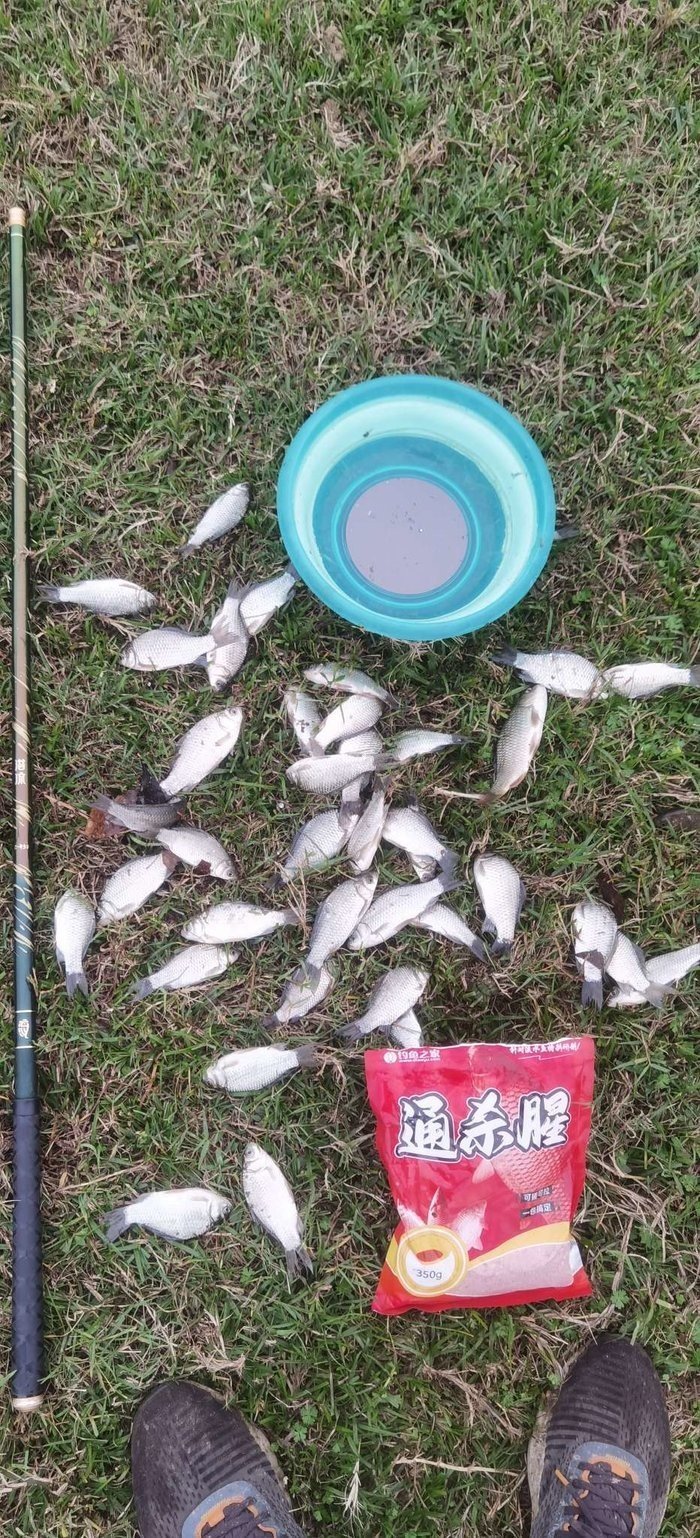
Lately, it seems like bream are the designated “welcome committee” for my sessions. Not that I’m complaining! With the bait nicely atomizing in those first few casts, it makes sense. Every fish caught was released right away. For me, it’s not about the harvest; it’s the pure joy of the fight, the connection, the whole process.
Re-baited, and got back to the rhythm of casting.


Adapting to the Conditions
The sky was this uniform, gloomy gray. Seriously, the light was terrible. Seeing the float clearly was becoming a game of squinting and guessing. And it wasn’t getting any brighter. Time for a tactical switch. Out with the standard float, in with the electronic night float. Much better!
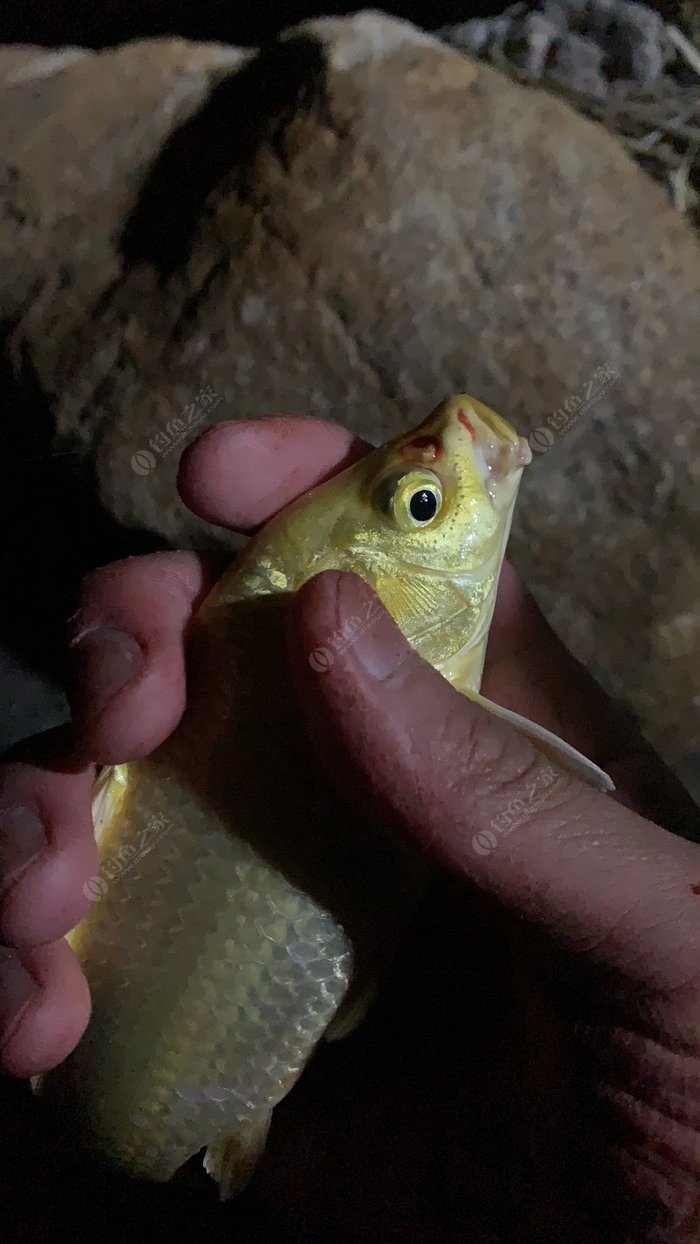
With the visibility issue solved, things got smoother. Just a few casts later, the float dove decisively. A solid strike, and I hauled in a decent little mud carp (what we often call a “wheat ling” or “mrigal” here), bringing it straight to the bank.

This is the essence of wild fishing. You might wait for hours, and the actual hot bite window could be just minutes. But if you skip the setup, the preparation, the “pre-game show,” dreaming about hitting that window is just that—a dream. A good result is always built on that foundation of patience and groundwork.
But when the bite is on, you gotta capitalize. Cast fast, stay focused. The opportunity can vanish as quickly as it came.
The Unexpected Thrill
Case in point. My rod was on the stand, with the safety line attached (always, people, always!). My buddy and I were just chatting, relaxed, when—WHOOSH! The rod literally shot off the stand and into the water! My heart jumped into my throat. This is exactly why you use a safety line. Grabbed the line, carefully retrieved the rod, and felt the satisfying weight. Fish was still on!

It wasn’t a monster, maybe about a pound, but it fought with spirit. Even when it jumped, it couldn’t throw the hook. Got it under control, rod bent in a beautiful curve.


My fishing buddy scrambled for the net. Guided the fish over, a quick lift, and it was safely in the mesh and on the bank. Success!

A perfect hookset in the mouth. Now that was the first proper catch of the day. Getting a fish like this on a morning outing felt like a real win. The energy was up. Time to keep casting!
The Importance of Stable Weather
The sky remained stubbornly overcast, and the temperature held steady. I’ve noticed this pattern: on early morning trips, the bite is often fantastic before the sun crests the horizon. But the moment sunlight hits the water’s surface, it’s like someone flips a switch. The fish scatter, and you’re left dealing with tiny bait-stealers.


But this persistent cloud cover, with no major temperature swings, was a gift. It meant we could extend that productive window. We kept at it, and sure enough, another confident strike! Set the hook, and landed another beautiful mud carp, even better than the first.

Excellent, just excellent. With these two solid fish, the trip was already a success in my book. Re-baited, feeling good, and continued the rhythm.
When Conditions Shift… Again
Eventually, the cloud blanket began to thin. The world got noticeably brighter, so I swapped the electronic float back for a regular one. Then I noticed something else—the water was starting to move. A proper current was picking up. I glanced at the bank where some rocks were… and they were disappearing. The water was rising, and fast!

Tried switching to a ledgering style (tight lining or “fishing the dip”), but the flow wasn’t strong enough to keep the line truly taut. It was hard to detect bites, and I wasted a good chunk of time fiddling with it…
Switched back to the float, adjusted it much higher to account for the rising water, and just kept casting slowly. It was still early, and honestly, the main action had already happened. Anything from here on out was a bonus. No fish? Could live with it. A surprise bite? Icing on the cake.
And you know, with all that persistent casting, something’s bound to happen. Sure enough, I hooked a little passerby, a tiny fighter.

The water was coming up so quickly I had to adjust the float multiple times. Then, as if on cue, the sanitation boat came through, cruising right past our fishing spot… talk about timing!

Wrapping Up a Good Day
Alright, time to think about packing up. Let’s try for one last farewell fish, then call it a day.
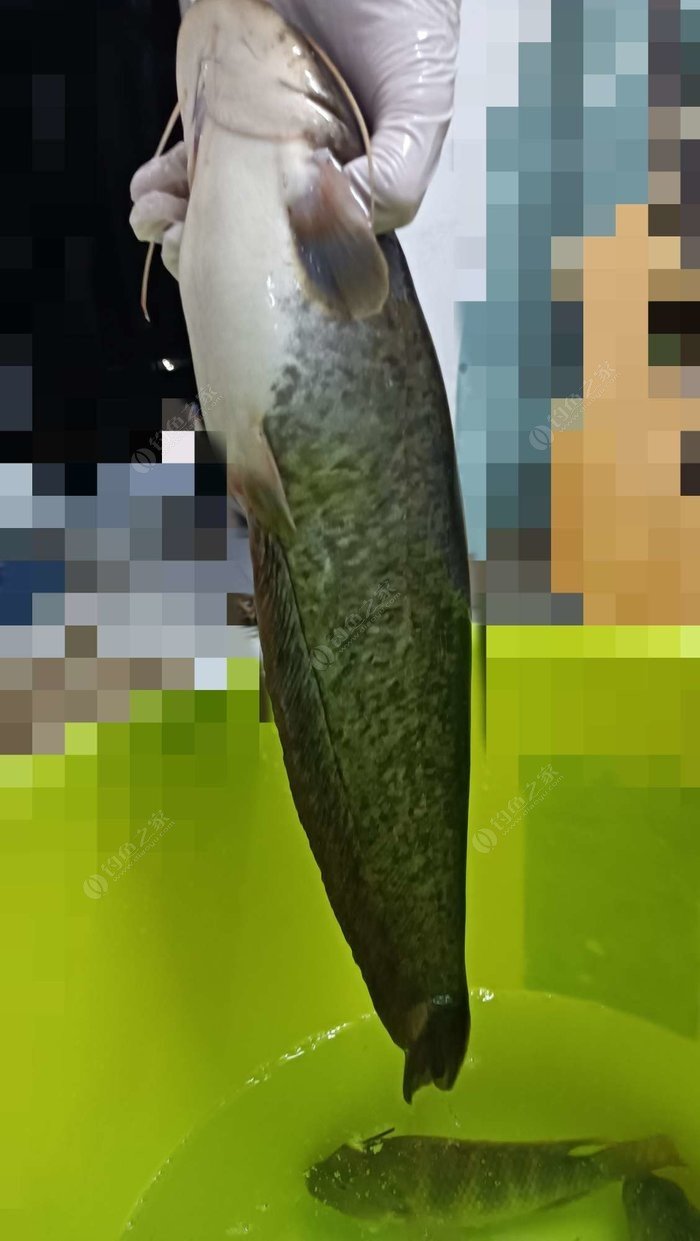
With the current flowing, I made a few more casts. Saw the float give a gentle rise. Set the hook! A small, dark little fish came to shore. Not much, but it counts!

That’s the signal. Farewell fish has arrived. Time to go!

Efficiently broke down the gear, packed everything back into the car. Handed my leftover bait to my buddy—waste not! Did a quick clean-up of our spot on the bank, gathering any little bits of trash to take with us. Leave it cleaner than you found it.
And just like that, it was time to head home, tired but deeply satisfied.

Driving back, re-playing the strikes in my head. That’s what it’s all about. Getting out there when the conditions feel right, having your gear dialed in, and just being present. The fish? They’re part of the story, but the real catch is always the day itself.