
Autumn Crucian Carp Fishing with Shrimp Bait: My Go-To Recipe That Actually Works
Let’s be real—autumn fishing for crucian carp (or “crucies” as we anglers love to call ’em) is a whole different ball game. The water’s cooling down, the fish are stocking up for winter, and if you’re not using the right bait? You might as well be casting a rock. I’ve spent way too many fall afternoons staring at a still float because my bait was either too bland, too hard, or just plain ignored. But after years of trial and error (and a few wasted weekends), I finally landed on a shrimp-based crucian carp bait recipe that’s been a game-changer. Let me break it down for you—no fancy jargon, just real talk from someone who’s been there.
Why Shrimp Bait for Autumn Crucian Carp? (Spoiler: It’s All About the Season)
First off, let’s get one thing straight: crucies are gluttons in fall. They’re packing on calories before the cold sets in, so they’re not just nibbling—they’re hunting for high-protein, nutrient-dense snacks. Shrimp (whether fresh, frozen, or even in bait form) is perfect because it’s naturally high in protein, has a mild, enticing scent, and mimics the small crustaceans crucies feast on in the wild. But here’s the kicker: plain shrimp alone isn’t enough. You need to mix it with other ingredients to create a bait that’s durable enough to stay on the hook, smells like a feast, and triggers those winter-prep hunger pangs.
My Secret Autumn Crucian Carp Bait Recipe: The Breakdown
Okay, let’s get to the good stuff. This recipe is a mix of store-bought staples, DIY ingredients, and a few “secret” touches that make all the difference. I’ve tested this a dozen times, and it’s never let me down—even on days when the water’s murky or the wind’s howling.
Ingredients You’ll Need (No Fancy Fishing Stores Required!)
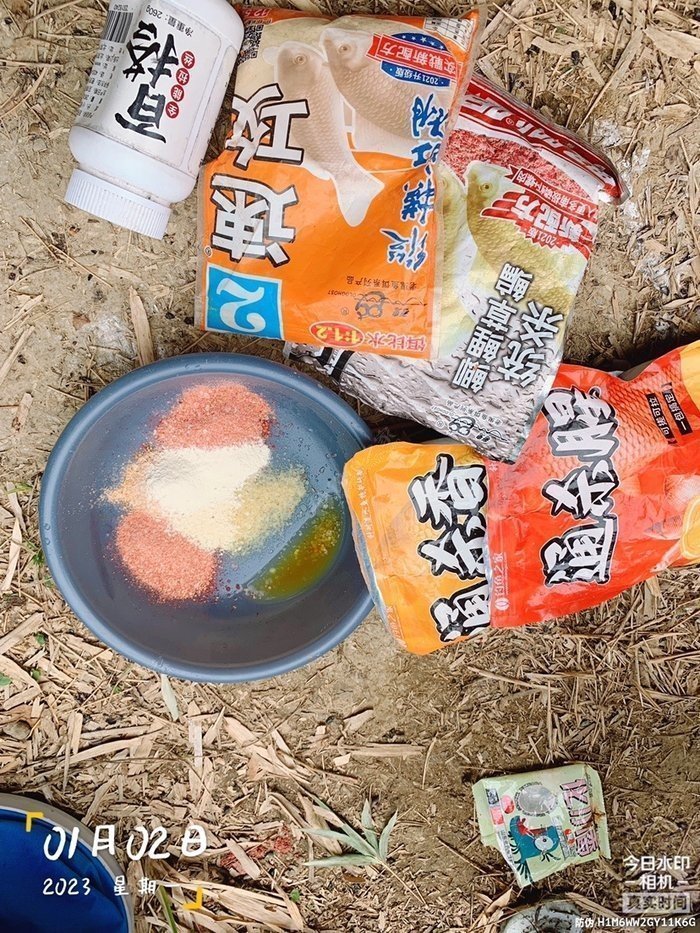
- 30% Rapeseed Cake (or “Rapeseed Meal”—you can grab this at feed stores; it’s usually in blocks, so just crush it into a fine powder with a bottle or mortar and pestle)
- 20% Cooked Corn Flour (easy to make at home—just toast cornmeal in a pan until it’s golden and fragrant, or buy pre-cooked if you’re lazy)
- 20% Cooked Soybean Flour (same as corn flour—cook it lightly to bring out that nutty scent; store-bought works too)
- 3-5% Milk Powder (grab this at the grocery store! If you can’t find it, toast regular flour in a pan—trust me, it’s a close second)
- 10% Soybean Dregs (the leftover gunk from making tofu or soy milk—this is KEY for fermentation, which crucies go crazy for)
- 15-20% Wheat Gluten (or “gluten flour”—this is your “binding agent”; if you don’t have it, use regular flour, but you’ll need more of it)
- 3-5% Rice Wine (the higher the alcohol content, the better! If you don’t have rice wine, use beer or even a splash of whiskey—just don’t go overboard)
- A Pinch of Fishing Flavor Enhancer (grab this at a tackle shop; it’s usually a liquid or powder that amps up the scent)
- A Dash of Honey (don’t overdo it—too much makes the bait sticky and less effective; a little goes a long way)
- 20g Rhubarb Root (soaked in 1000ml water—this is my “secret weapon” for triggering hunger; get it at a Chinese herbal shop or online; it’s bitter, so only use a tiny bit!)
Wait, What About Shrimp? Oh Right—It’s the Star!
I almost forgot the most important part! You’ll need to add fresh or frozen shrimp to this mix. I usually use 10-15% shrimp (by weight) — either chopped into small pieces or blended into a paste. If you’re using frozen shrimp, thaw it first and pat it dry (too much water makes the bait mushy). The shrimp adds that natural, irresistible scent that crucies can’t resist, especially in fall when they’re craving protein.
Step-by-Step: How to Make This Bait (No Fishing Degree Required)
Okay, let’s get mixing. This isn’t rocket science, but there are a few tricks to make sure it turns out perfect.
1. Prep Your Ingredients First
First, make sure all your dry ingredients are fine and clump-free. Crush the rapeseed cake into a powder (I use a plastic bottle to roll over it—works like a charm). Cook the corn and soybean flour if you’re making them at home (toast them in a dry pan for 5-10 minutes until they smell nutty—don’t burn ’em!). For the soybean dregs, you need to ferment them first—this is crucial. Here’s how:
- Put the soybean dregs in a sealed plastic bag (or a jar with a lid)
- Leave it at room temperature for 1-2 days (it’ll smell a little sour—don’t worry, that’s the fermentation magic)
- After that, you can store it in the fridge for up to a week (it’ll keep longer, but fresh is best)
2. Mix the Dry Ingredients
In a big bowl, combine the rapeseed cake powder, cooked corn flour, cooked soybean flour, milk powder, and wheat gluten. Stir ’em up until they’re evenly mixed—no clumps allowed! This is your base, so take your time here.
3. Add the Wet Ingredients (Including Shrimp!)
Now, it’s time to add the wet stuff. First, add the fermented soybean dregs, then the chopped shrimp (or shrimp paste). Next, pour in the rice wine and a dash of honey. Stir it all together with a spoon until it’s starting to come together like a dough. Now, here’s the secret: slowly add the rhubarb root water (the one you soaked the 20g rhubarb in) a little at a time. You want the dough to be just moist enough to hold together when you squeeze it—don’t make it too wet (it’ll fall off the hook) or too dry (it’ll be hard and unappetizing).
4. Let It Ferment (Yes, Again!)
Once your dough is mixed, wrap it in a plastic bag and let it sit at room temperature for 1-2 days. This second fermentation step makes the bait smell even more enticing to crucies—they love that sour, fermented scent. I usually leave mine on the counter (away from direct sunlight) and check it once a day. When it smells a little tangy (but not rotten), it’s ready!
How to Use This Bait on the Water (Pro Tips to Catch More Crucies)
Okay, your bait is ready—now what? Let’s talk about how to rig it, where to cast, and all the little tricks that make this bait work.
1. Rigging the Bait: Keep It Simple
Crucian carp have small mouths, so don’t use a huge hook. I prefer size 5 or 6 hooks (they’re small enough for crucies to take without getting spooked). For the bait, take a small piece (about the size of your fingertip) and squeeze it tightly onto the hook. Since this bait isn’t super tough, you need to squeeze it hard to make sure it stays on—otherwise, it’ll fall off when you cast or hit the water.
2. Where to Fish: Autumn Crucian Carp Hotspots
Fall crucies love shallow, weedy areas where the water warms up faster (since the sun is lower in the sky). Look for:
- Weed beds near the shore (crucies hide here to feed and stay warm)
- Drop-offs (where shallow water meets deep water—fish move here to feed and escape predators)
- Areas with lots of natural food (like fallen leaves, insect larvae, or small crustaceans)
3. Chumming: Don’t Skip This Step!
Chumming (or “prebaiting”) is key for autumn crucian carp. They’re in feeding mode, but you need to let them know your bait is there. Here’s how I chum:
- Take a small ball of your bait (about the size of a golf ball) and squeeze it onto a hook (or just toss it if you’re lazy)
- Cast it to your target spot and give the rod a sharp tug—this breaks the ball into small pieces, which attracts crucies
- Wait 10-15 minutes before casting your fishing rod (this gives the fish time to find the chum and get excited)
4. Fishing Tips: Be Patient (But Not Too Patient)
This bait dissolves in 3-5 minutes, so you need to change it often. I usually cast, wait 2-3 minutes, and if I don’t get a bite, I reel in, add a fresh piece of bait, and cast again. Don’t leave the bait on the hook too long—it’ll turn mushy and lose its scent. Also, keep an eye on your float: crucies usually give a gentle tug first, then a slow pull—don’t yank the rod too hard (you’ll pull the hook out of their mouth).
My Personal Experience: When This Bait Saved My Autumn Fishing Trip
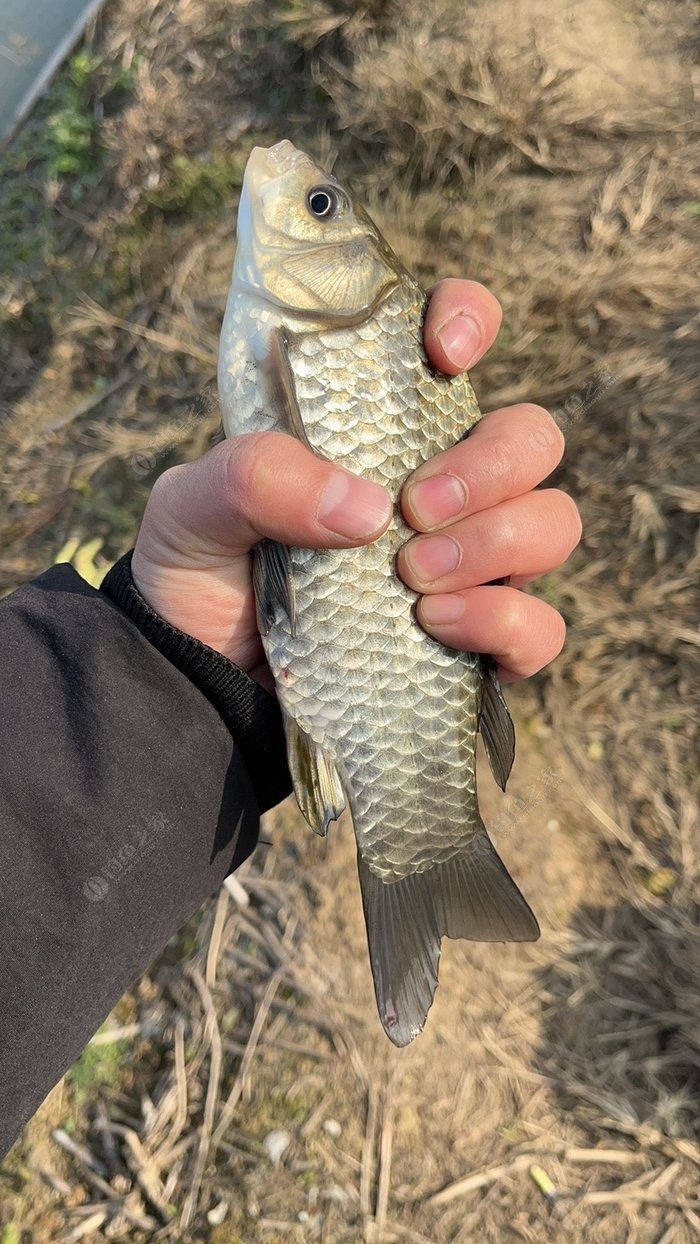
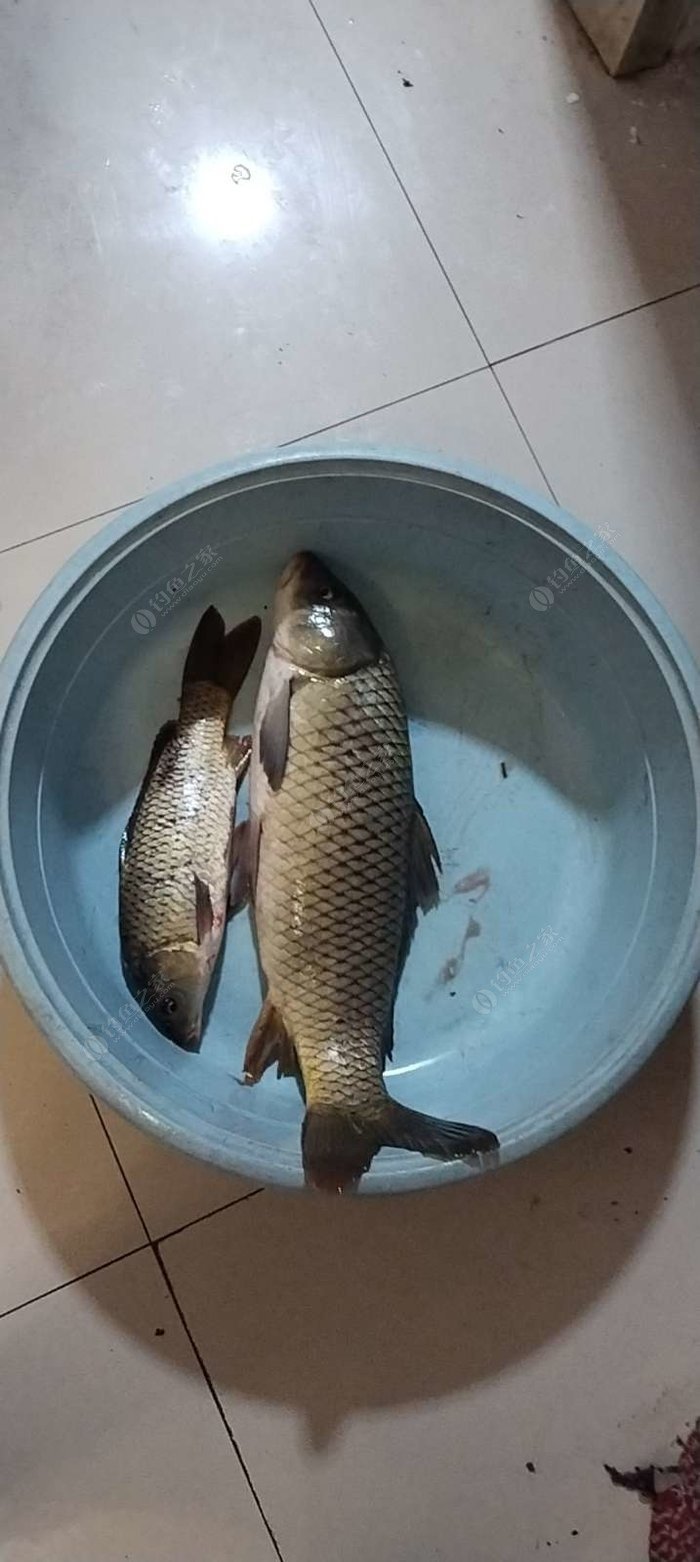
Let me tell you a quick story to prove this bait works. Last October, I went fishing at my local lake with a friend. The water was cold (around 12°C), and the wind was blowing hard. My friend was using a store-bought crucian bait, and I was using this homemade stuff. For the first hour, neither of us caught anything. Then, I chummed my spot with a ball of this bait, waited 15 minutes, and cast my rod. Within 2 minutes, my float dipped—bingo! I reeled in a 1.2kg crucian carp (that’s a big one for this lake!). My friend was shocked—he kept using his store-bought bait and didn’t catch a single fish all day. That’s when I knew this recipe was a keeper.
Common Mistakes to Avoid (I’ve Made ’Em All)
Before you go mixing up this bait, let’s talk about the mistakes I’ve made so you don’t have to:
- Using too much rhubarb root water: This stuff is bitter—too much will make the bait taste bad, and crucies will avoid it. Start with a little, then add more if needed.
- Not fermenting the soybean dregs: Fermentation is what makes this bait smell irresistible. Skip it, and you’ll just have a bland dough that crucies ignore.
- Using a hook that’s too big: Crucies have small mouths—size 5 or 6 is perfect. A big hook will just scare them away.
- Not changing the bait often: This bait dissolves fast—if you leave it on the hook too long, it’ll be gone before a crucie can take it.
Oh, and one more thing: don’t overdo the honey. I once added way too much, and the bait was so sticky it wouldn’t stay on the hook. A tiny dash is all you need—trust me.
Alright, that’s my go-to autumn crucian carp bait recipe. I’ve spent years perfecting it, and it’s never let me down. Whether you’re a beginner or a seasoned angler, give it a try—you won’t be disappointed. And hey, if you catch a big one, let me know in the comments (okay, I don’t have comments, but just imagine telling me— I’d be stoked!). Happy fishing!