How to Avoid Small Fish Snatches in Mid-Water: Practical Bait Recipes to Target Bottom-Feeding Fish
Let’s be real-fishing can feel like a losing battle sometimes, especially when those pesky small fish (I’m looking at you, tiny bass and silver minnows!) keep snatching your bait before it even hits the bottom. I’ve spent way too many afternoons reeling in nothing but empty hooks or tiny, frustrating catches instead of the big bottom feeders I’m after. But after years of trial and error (and a few tantrums when my rod felt like dead weight), I’ve figured out some tricks that actually work. Today, I’m spilling all my go-to moves-from bait tweaks to gear hacks-so you can stop feeding the small guys and start landing the fish you want.
First: Know Your Enemy (The Mid-Water Snatchers)
Before you can outsmart them, you need to understand what you’re dealing with. Mid-water snatchers are usually small, aggressive fish that hunt in the upper to middle layers of the water. They’re fast, hungry, and have no problem stealing your bait right out from under your nose. Common culprits include:
- Small bass (especially in lakes and ponds)
- Silver minnows (the bane of every angler’s existence)
- Baby catfish (don’t let their cute size fool you-they’re greedy)
- Sunfish (they’ll snap at anything that moves)
These guys don’t care about your “perfect” bait-they just want a quick snack. So your job is to make your bait less appealing to them and more likely to reach the bottom where the big fish live.
Step 1: Tweak Your Bait to Slow Down and Stay Put
Small fish love fast-sinking, flashy bait that’s easy to chase. If you can make your bait sink slower or stay intact longer, you’ll bypass most mid-water snatchers. Here’s how:
Option 1: Switch to Dough Bait (For Slow Sinking)
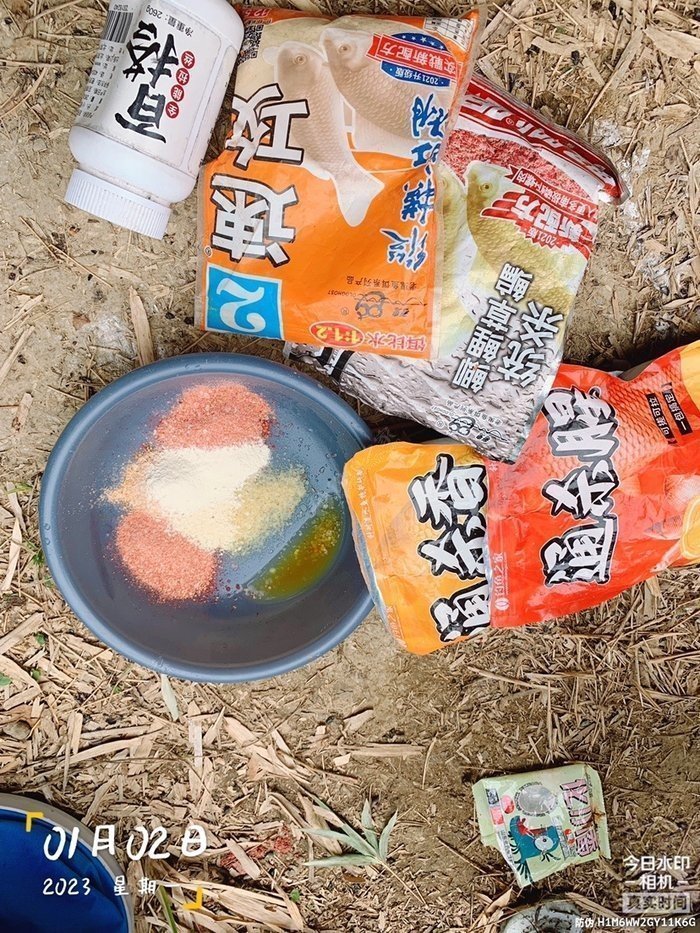
Dough bait is a game-changer for avoiding mid-water snatches. It’s dense, sinks slowly, and doesn’t break apart easily-perfect for tricking small fish. Here’s my go-to recipe:
- 1 cup cornmeal
- ½ cup flour
- 1 tablespoon honey (or maple syrup for a sweeter twist)
- 1 teaspoon garlic powder (fish love garlic-don’t ask me why)
- Enough water to make a thick dough (start with ¼ cup and add more slowly)
Mix all the dry ingredients first, then add the honey and water. Knead it until it’s firm but not crumbly. Roll it into small balls (about the size of a marble) and attach it to your hook. The dough will sink slowly, and small fish can’t bite through it fast enough to steal it before it hits the bottom.
Option 2: Use Live Bait (But Make It Harder to Steal)
Live bait like worms or crickets is great for bottom feeders, but small fish will go crazy for it. To fix this, try:
- Using a larger worm (small fish can’t swallow big worms whole)
- Threading the worm onto your hook so only a tiny part is exposed (hide the rest under the hook’s shank)
- Adding a small piece of foam or a float to your line to slow the sink rate (just make sure it’s not too big-you still want the bait to reach the bottom)
Option 3: Try Scented Bait (To Trick Small Fish)
Small fish rely on sight to find food, but bottom feeders use scent. So try using scented bait that small fish can’t see but bottom feeders can smell. My favorite is:
- 1 can of tuna (in oil, not water)
- 1 cup breadcrumbs
- 1 tablespoon anise oil (you can find this at most fishing stores)
Mix the tuna (including the oil) with the breadcrumbs until it’s a thick paste. Add the anise oil and mix again. Roll it into small balls and freeze them for 30 minutes. The oil and anise scent will attract bottom feeders, but small fish won’t be able to see the bait clearly in the water.
Step 2: Gear Hacks to Get Your Bait to the Bottom Faster
Even the best bait won’t help if it’s getting snatched before it hits the bottom. So you need to adjust your gear to make your bait sink faster and stay on the bottom. Here’s what works for me:
Add More Weight (But Don’t Overdo It)
Adding a small weight (like a split shot or a sinker) to your line will make your bait sink faster. But don’t add too much-you still want to feel when a fish bites. I usually start with a 1/4 ounce sinker and adjust from there. If the small fish are still snatching, add another 1/8 ounce.
Use a Longer Rod (For Better Control)
A longer rod (like a 7-foot rod) gives you more control over your bait. You can cast it further and keep it in the water longer, which helps it sink faster. Plus, longer rods are better for fighting big bottom feeders when you finally catch one.
Try a Slip Sinker Rig (For Maximum Sink)
The slip sinker rig is my secret weapon for avoiding mid-water snatches. Here’s how to set it up:
- Thread a slip sinker onto your main line (the sinker should be able to slide up and down the line).
- Tie a swivel to the end of your main line (this stops the sinker from sliding off).
- Tie a leader line (about 12 inches long) to the swivel.
- Attach your hook to the end of the leader line.
The slip sinker will sink to the bottom first, pulling your bait down with it. Small fish can’t snatch the bait because it’s already on the bottom by the time they notice it. Genius, right?
Step 3: Fishing Techniques to Outsmart Small Fish
Even with the right bait and gear, you need to use the right techniques to avoid mid-water snatches. Here are my top tips:
Cast and Wait (Don’t Reel)
When you cast your bait, let it sink all the way to the bottom before you do anything. Don’t reel it in or move it-just let it sit there. Small fish will lose interest after a few seconds, but bottom feeders will smell it and come over to investigate.
Use a Slow Retrieve (If You Must Reel)
If you’re fishing in a current or need to move your bait, use a slow, steady retrieve. Don’t jerk the rod or reel fast-this will attract small fish. Instead, reel in slowly, letting the bait drag along the bottom.
Fish at the Right Time (When Small Fish Are Less Active)
Small fish are most active during the day, especially in the morning and afternoon. So try fishing at dawn or dusk, when small fish are less active and bottom feeders are more hungry. I’ve caught some of my biggest catfish at sunset-trust me, it’s worth waking up early or staying out late.
Real-Life Test: Did These Tricks Work?
I decided to put these tricks to the test last weekend at my local lake. Here’s what happened:
First, I tried my usual setup-live worms on a regular hook with no weight. Within 5 minutes, I had 3 small bass and 2 silver minnows. Frustrating, right? So I switched to the slip sinker rig with my tuna breadcrumb bait. I cast it out and let it sink for 10 seconds (which felt like forever!). Then I waited. After 2 minutes, I felt a tiny tug. I waited a little longer (bottom feeders usually take a few seconds to swallow the bait) then reeled in. And guess what? I caught a 1-pound catfish! That’s the biggest fish I’ve ever caught in that lake.
Later that day, I tried the dough bait with a longer rod. I cast it out and let it sink. Within 15 minutes, I had a 3-pound carp. Not as big as the catfish, but still way better than the tiny bass I was catching earlier.
Needless to say, these tricks work. I went home with 2 big fish and zero small ones. Success!
Final Thoughts: It’s All About Patience (And a Little Trickery)
Avoiding mid-water snatches isn’t about being a perfect angler-it’s about outsmarting the small fish. You need to slow down your bait, adjust your gear, and use the right techniques. And most importantly, you need to be patient. Bottom feeders take their time, so don’t get frustrated if you don’t catch anything right away.
Next time you’re out fishing, give these tricks a try. I promise you’ll be reeling in big bottom feeders instead of tiny, annoying small fish. And if you have any of your own tricks, feel free to share them in the comments-I’m always looking for new ways to outsmart those mid-water snatchers!