My Night Fishing Epiphany: Cracking the Suspended Fish Code
Let’s be real—any angler knows that buzz of excitement right before a fishing trip. I’ve been hooked since middle school, starting with wild fishing before diving into the chaos of black pit fishing. But as I’ve gotten older? Work, chores, life—they all eat up my daytime hours. So night fishing has become my go-to, and let me tell you, it’s thrown me some wild curveballs. None crazier than that one night where the fish refused to stay on the bottom. Today, I’m spilling all the details of that epic carp fishing trip, and how I turned a total dud start into a personal best catch.

The Setup: What I Thought Would Be a Regular Night
The Fishing Spot Lowdown
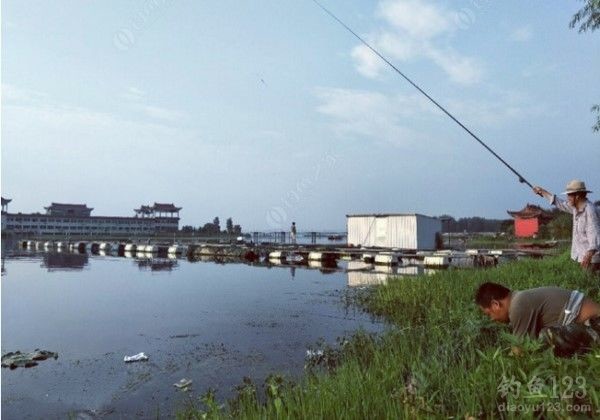
First, let’s set the scene. The black pit I fished that night is around 5 acres, shaped like a lopsided circle, with a strict 4.5-foot rod limit. They’d just stocked 5,000 pounds of carp, each between 2 and 5 pounds—prime targets, right? The weather was cloudy with a light breeze, which for fall in the North, I thought was perfect. No harsh sun, no crazy wind—what could go wrong?
My Pre-Trip Gear & Bait Plan
I went with my usual game plan, confident it would work like a charm. Here’s what I packed:
- Bait Strategy: A big batch of loose-feed bait made from original pond pellets, mixed with my go-to fishing additives at a 1:0.3 bait-to-water ratio. I planned to blast this out to draw in the carp fast.
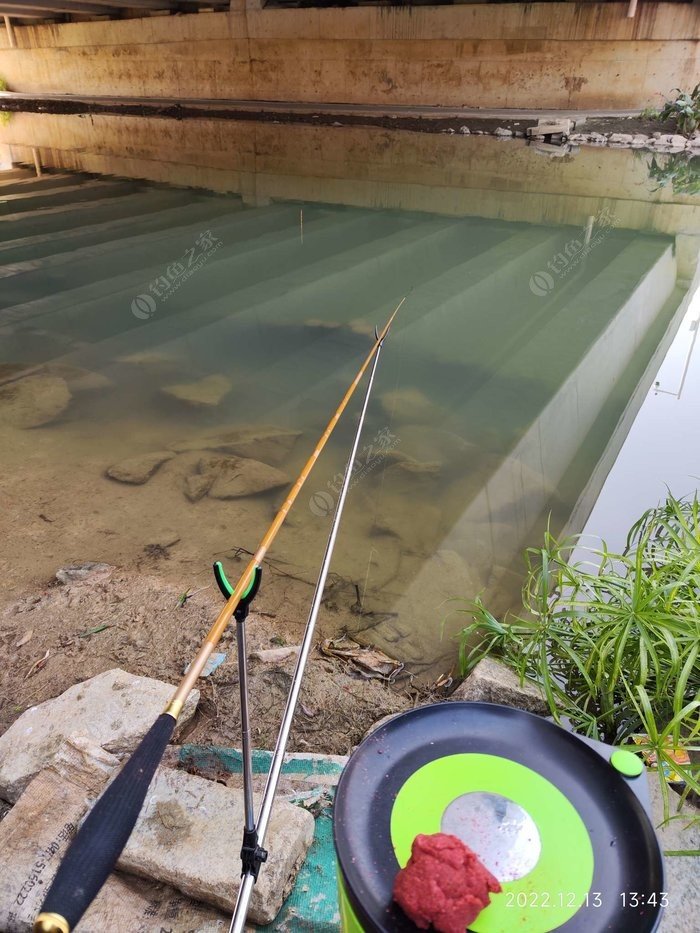
- Backup Baits: I saved a handful of that loose feed, added more water, and kneaded it into a soft, sticky bait for hooking. I also made a batch of pull bait with fine powder feed, using half the amount of additives to make it easier for the fish to suck in.
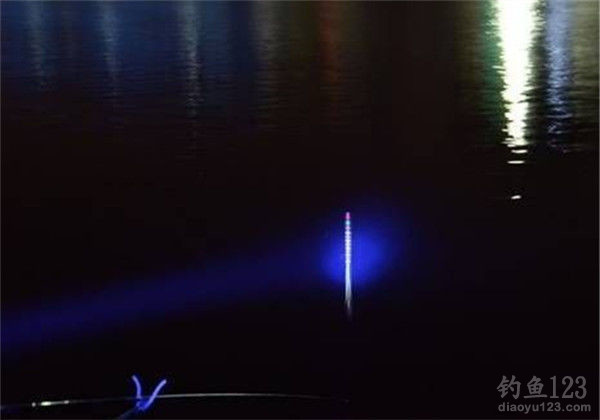
- Rig Setup: My go-to fall rig: 3.6-foot 6H rod, 3+2 line combo, size 3 new Kanto hook, and a 60cm long float with a slim body, long tail, and big date plum shape. It’s nothing fancy, but it’s always worked for me before.
Oh, and the draw for spots? I got lucky—fifth pick, and I grabbed a spot that usually produces decent catches. I was already mentally high-fiving myself. Spoiler: I spoke way too soon.
The Disaster Start: Where Did All the Fish Go?
I got to my spot, set up my gear, and started blasting loose feed into the water. For 30 whole minutes, I dumped over 1000ml of that bait into the spot. Nada. Not a single bite. I glanced around—every other angler was just as confused, barely getting any nibbles either.
I started overthinking: Did I mix the bait wrong? Did I forget an additive? Wait a second—this had to be suspended fish. The weather was weird enough to throw them off, and newly stocked carp can be skittish anyway. Instead of panicking, I doubled down. I kept tossing loose feed at a steady pace, reeling in and casting back every time the bait hit the bottom with no action. I figured if I kept the food coming, they’d eventually commit.
The Turnaround: Adapting to Suspended Carp
Reading the Signs: When the Fish Finally Showed
After an hour of that mind-numbing casting, I saw it: my float twitched upward ever so slightly as it sank. I yanked the rod—nothing, but I felt a faint bump. Next cast? Same thing. I knew then the fish were there, just hanging out mid-water instead of on the bottom. Finally, a clue!
Tweaking My Rig for Success
I scrapped my original rig and completely retooled everything to target those mid-water carp:
- Downsized Line & Hooks: Switched to a 2.0+1.5 line combo and size 2 new Kanto hooks. Smaller, more delicate gear meant the fish wouldn’t get spooked, and the bait would be easier to eat.
- Bait Adjustment: I stuck with the pull bait, but only tiny little balls—nothing big and bulky. I kept tossing small amounts of loose feed too, but slowed down the pace to keep the fish interested without overwhelming them.
- Finding the Right Depth: This was the tricky part. I kept adjusting the float depth bit by bit, testing every foot until I started seeing solid, sharp tugs or the float completely submerged. It took a few tries, but once I found that sweet spot? The floodgates opened.
The Non-Stop Bite That Saved the Night
From that moment on, I couldn’t keep up. Every cast resulted in a bite—sometimes even before the float settled. I reeled in carp after carp, right up until we had to pack up. By the end of the night, I’d caught over 100 pounds of fish. I didn’t just “make it to shore”—I crushed it.
Why Do Fish Go Suspended, Anyway?
That night taught me a big lesson: suspended fish aren’t just a random annoyance. They’re the water’s way of sending a message. Here are the most common reasons you’ll run into this problem, day or night:
- Weird Weather: Sudden temperature drops, cloudy skies, or low pressure can push fish up from the bottom where the water feels “off.”
- Water Conditions: Poor oxygen levels at the bottom, or sudden changes in water clarity, can make fish move to more comfortable mid-water zones.
- Fish Stress: Newly stocked fish (like the ones that night) are stressed from being moved, so they avoid the bottom where predators might lurk. Spawning season can also make fish change their usual haunts.
My Final Thoughts (That You Actually Need to Hear)
Here’s the thing about fishing—no two days are ever the same. You can have the perfect gear, the perfect bait, and the perfect spot, and still get skunked if you don’t read the room (or the water, in this case). That night, I almost gave up when the bites didn’t come fast. But sticking it out, paying attention to the small signs, and being willing to completely change my plan saved the trip.
If you ever find yourself night fishing and wondering where all the fish went? Don’t just keep doing the same thing over and over. Slow down, look for those tiny float twitches, and adjust your setup to meet the fish where they are. You might just end up with a story (and a cooler full of fish) to brag about for months.