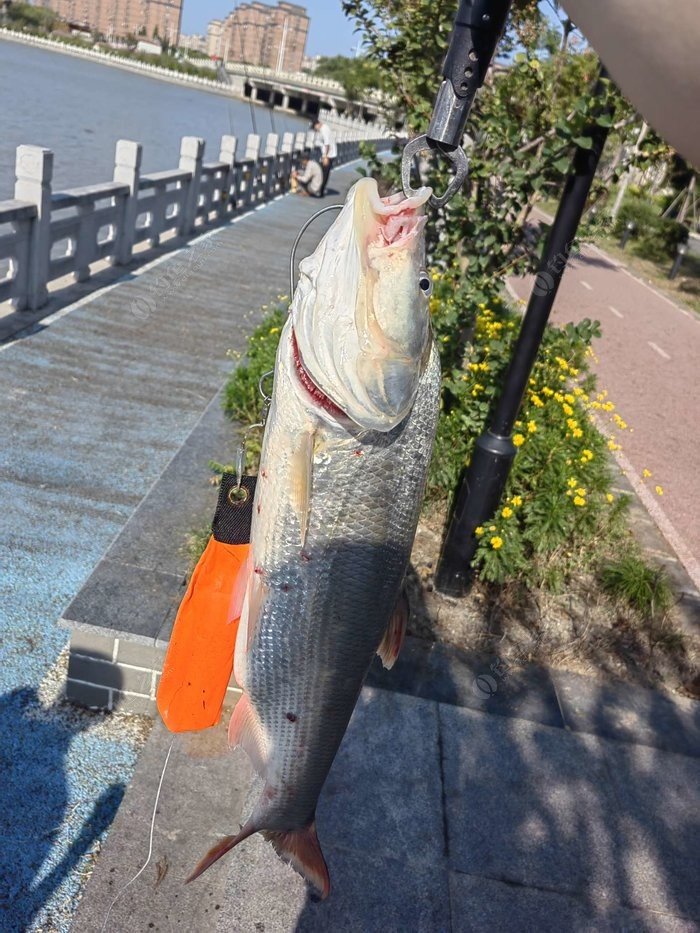
Best Reservoir Fishing Techniques: Tips for Catching More Fish in Big Water
Let’s be real-reservoir fishing can feel like a total grind sometimes! Think about it: huge open water, super deep spots, and fish scattered everywhere like confetti at a party no one invited you to. I’ve stood on reservoir banks for hours, staring at a motionless float, wondering if the fish were just laughing at me from the depths. But here’s the thing: with the right tricks up your sleeve, you can turn that frustration into a cooler full of catches. Today, I’m spilling the reservoir fishing secrets I’ve picked up (and learned the hard way) to help you step up your game!

1. Master the Art of Reservoir Fishing Baiting (Because Chasing Scattered Fish Sucks)
First off-reservoirs are not your tiny backyard pond. The water’s massive, the depth varies like crazy, and even if the park rangers stock fish, they spread out faster than gossip in a small town. So how do you get them to come to you? Baiting your spot, duh! It’s the most underrated (and most essential) trick for reservoir success.
Why Baiting Works (And Why You Can’t Skip It)
I used to think baiting was a waste of time-until I met an old timer at my local reservoir who’d been catching 10+ pound carp every weekend. He told me he’d been baiting the same spot every Friday evening for a month with a mix of corn, wheat, and a little molasses. When I finally joined him on a Saturday, we pulled in three big carp before noon! The key? Fish are creatures of habit. If you feed them the same stuff at the same time in the same place, they’ll show up like clockwork.
Pro Baiting Tips (From Someone Who’s Wasted a Lot of Bait)
- Be consistent: Don’t just throw a handful of bait and leave. If you’re planning a weekend trip, bait the spot 2-3 days before. Even 10 minutes of feeding each day helps!
- Match your bait to your hook: If you’re baiting with corn, use corn on your hook. Fish get confused if the snack they’re expecting isn’t what’s on the line (trust me, I’ve made this mistake).
- Borrow a spot (ethically): If you’re only fishing for a day, look for areas with other anglers’ bait containers or leftover bait. Just don’t crowd them-nobody likes a spot-stealer!
2. Pick the Perfect Reservoir Fishing Spot (Because Location Trumps Everything)
Ever spent 4 hours in a “perfect” sunny spot, only to watch the guy 50 feet away catch fish after fish? Yeah, me too. Choosing a spot in a reservoir isn’t just about following rules-it’s about reading the water and using your eyes (and a little luck).
Winter Spot Secrets (I Learned This the Hard Way)
Everyone says “fish sunny spots in winter”-and usually, that’s true. But last December, I learned a brutal lesson. I set up in a sunny, shallow cove (1.5 meters deep) with my favorite winter bait. Three hours later, not a single bite. I was freezing, grumpy, and ready to go home-until I noticed an old guy fishing in a shaded spot under a cliff.
I wandered over (mostly to complain) and saw his bucket was half full of crucian carp. “Why here?” I asked. He laughed and said, “Sun’s nice, but wind’s a killer. These fish are hiding from the cold breeze behind the cliff.” I moved my gear over, and 20 minutes later, I caught my first fish of the day! Turns out, winter fish care more about staying warm and calm than soaking up sun.
What Makes a Good Spot (No Matter the Season)
- Wind protection: Even in summer, fish hate choppy water. Look for bays, cliffs, or areas with trees that block the wind.
- Depth changes: Fish love hanging out where shallow water meets deep water (called “drop-offs”). It’s like their own fast-food drive-thru-easy to get food and hide.
- Cover: Submerged logs, rocks, or even sunken boats are fish magnets. They provide shelter from predators (and nosy anglers like us).
3. Choose the Right Hook for Reservoir Fishing (Stop Losing Big Fish!)
Here’s a debate I hear every time I go fishing: “Big hook for big fish, small hook for small fish?” I used to be team “big hook only”-until I lost a monster carp because my hook was too small. Then I switched to team “small hook only”-and missed 10 bites because the fish were too small to notice. Now? I’m team “use your brain.”
Small Hooks vs. Big Hooks: What’s the Deal?
Experienced anglers make small hooks look easy. I’ve seen a guy catch a 8-pound carp with a size 6 hook and thin line. How? He knew the fish were feeding on small insects, so he matched his hook to the food. But if you’re a beginner, small hooks can be tricky-one wrong move and the line snaps.
Big hooks are great for targeting big fish (like carp or catfish) in autumn (my favorite season for big catches!). Last October, I used a size 2 hook and thick line at my local reservoir. I waited 2 hours, but when I finally got a bite? It was a 12-pound carp! The wait was worth every second.
How to Choose (Without Overthinking It)
- Ask around: Talk to local anglers or the bait shop owner. They’ll tell you what’s biting and what hooks work.
- Check the water: If you see small fish jumping, use a small hook. If you’ve heard about big fish in the area, go big.
- Don’t be afraid to switch: If you’re not getting bites after 30 minutes, try a different hook size. It’s better to experiment than waste the day.
Final Thoughts (From a Fellow Frustrated Angler)
Reservoir fishing isn’t easy-but that’s part of the fun. The best days are the ones where you mess up, learn something, and still catch a fish (or two). Next time you’re at the reservoir, try baiting a spot, check for wind protection, and don’t stress too much about hooks. And if you’re having a bad day? Just remember: even the pros go home empty-handed sometimes.
Oh, and one last thing-bring a thermos of hot coffee. Trust me, it makes the waiting way better. Happy fishing!