Chasing Winter Bites: A Working Angler’s Cold-Weather Fishing Adventure
It’s December 3rd, a Saturday—aka the only day of the week us working stiffs can squeeze in a fishing trip. Let me tell you, the weather was brutal: my city was hit by a cold snap dropping temps to 14°F (-10°C), and Saturday was just as freezing. But here’s the thing about us die-hard anglers: if we can cast a line, we’re happy. Even if it means our fingers go numb and we’re constantly shifting our weight to stay warm.
I’d been waiting for this weekend for months, too. I’m 54, a few years from retirement, and I haven’t used my paid vacation days in ages—all my time’s gone to work. When I finally got a few days off, I knew exactly how I’d spend them: chasing winter carp, even if the odds were stacked against me.

Prepping for the Big Day: Scouting and Pre-Baiting
On Friday afternoon, I hopped on my bike and rode 10 miles (16-17 km) to my planned fishing spot. I needed to check if the water was frozen over, and scope out the lay of the land for Saturday’s trip. Plus, a little bike ride in the cold was a good way to get my blood pumping—little did I know I’d need all the warmth I could get.
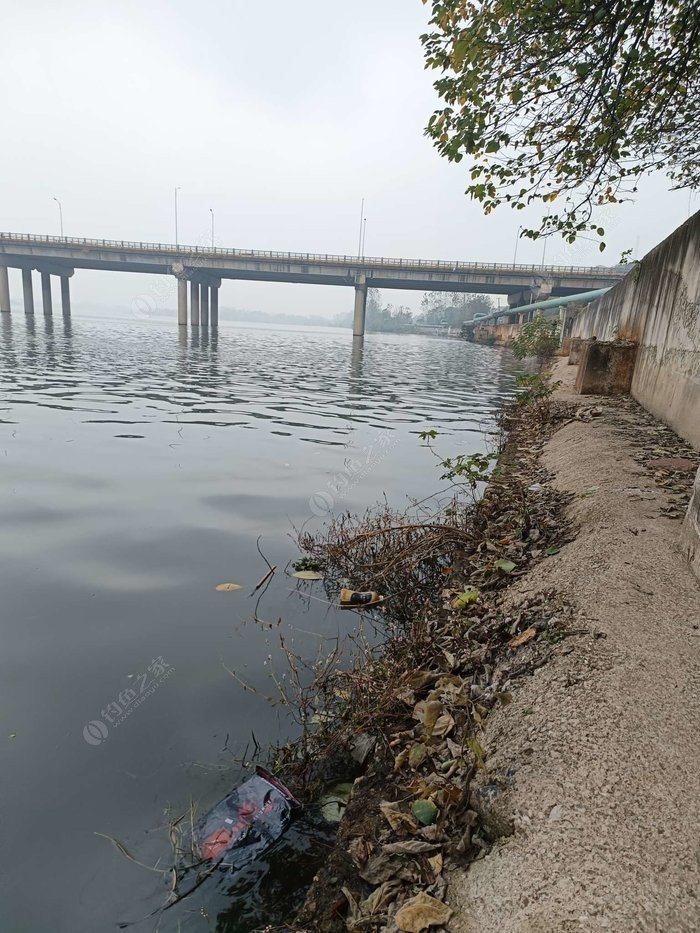
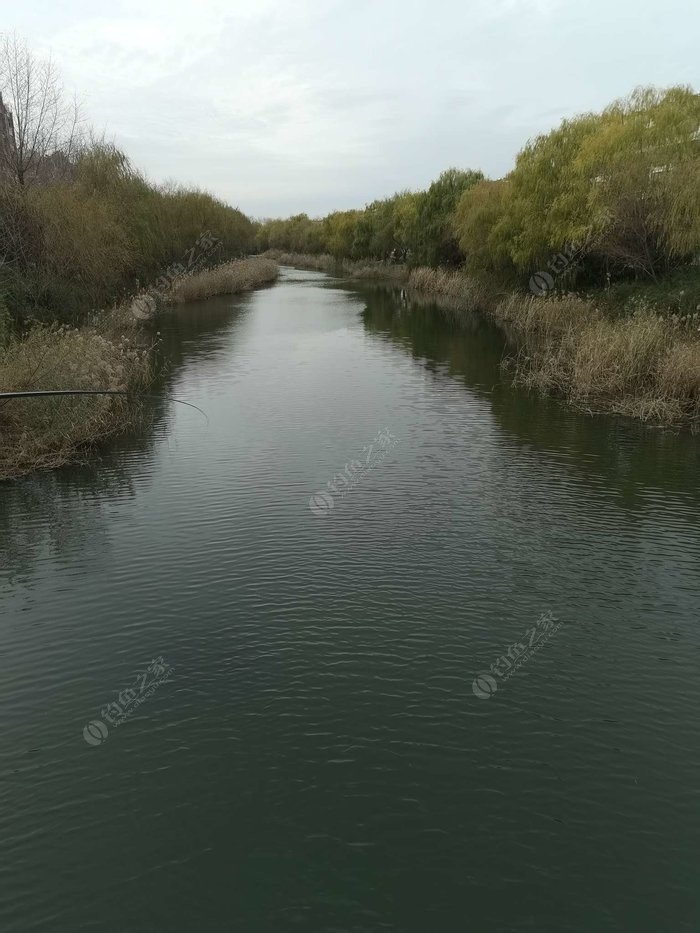
When I got to the lake, most anglers had already packed it in. The few who were still there just shook their heads when I asked about bites: “Nothing. Nada. Too cold.” I walked over to my target area, where a single angler was huddled against the wind, a few sea rods sticking out of the ground beside him. Talk about dedication!
I pulled out the rice soaked in wine I’d brought along, mixed it with some dirt, and squeezed it into tight, hard balls. Then I cast them right into the grass beds near the shore. Why make them hard? Because in winter, fish are slow to move, so you want the bait to release its scent slowly over time. No point in dumping a pile of bait that’ll wash away or spread too fast—you need to keep the fish hanging around once they find it.

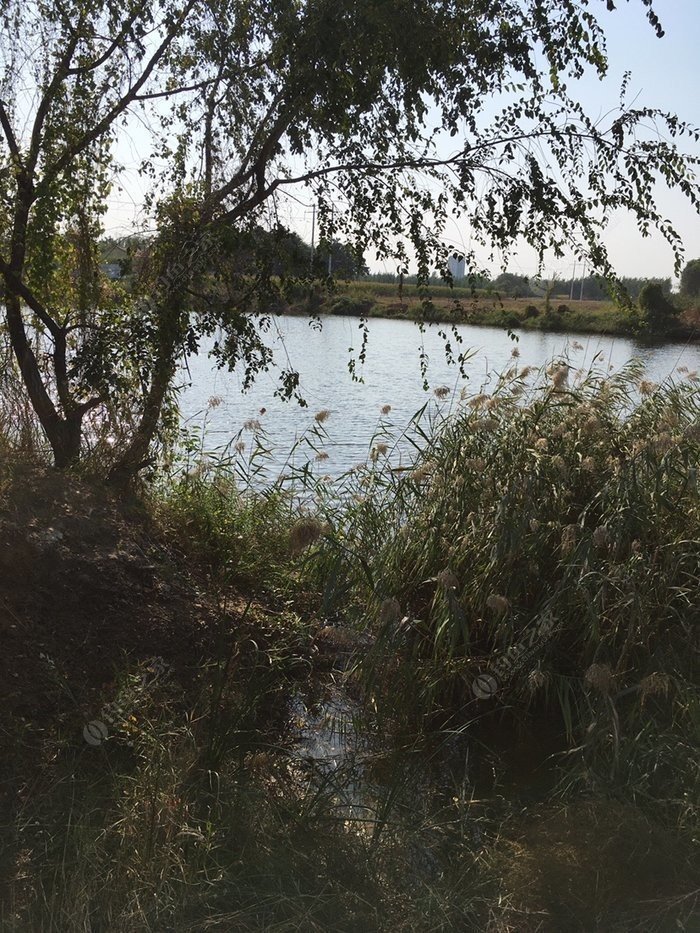
Winter fishing’s all about “finding the fish,” right? The old angler’s saying goes, “Fish don’t find you—you find them.” But the grass beds here were crystal clear, so I knew I had to give the fish a reason to come to me. That night, I mixed up a fishy-scented bait, adding more of the wine rice to the mix. I prepped it early so it would be in perfect shape by morning—no wasting time mixing bait when I could be casting.
Morning at the Lake: Chilly Start, Slow Beginnings
I got to the lake just before 7 a.m. on Saturday, and the first thing I noticed was a flock of water birds floating on the surface. They took off in a flurry of wings as soon as they saw me, making a racket that probably scared every fish within a mile. I stood there for a minute, staring at my pre-baited spot, wondering if the bait had even attracted anything.
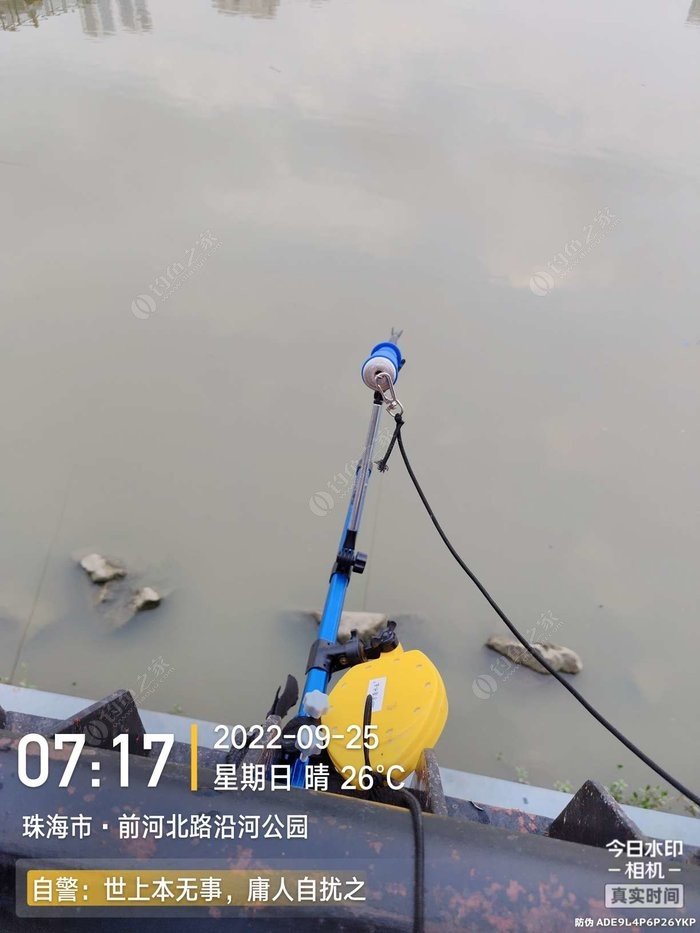
I set up my 17.7 ft (5.4 m) rod with a 1.0 main line, 0.6 leader, and a size 6 sleeve hook—single hook, since winter fish are finicky and less likely to bite a double hook setup. The air was so cold I could see my breath, and my hands were already stiffening up. I’d brought a thermos of hot tea, but I didn’t want to leave my spot long enough to take a sip.

First, I tried using my spinning rod to cast far into the deeper water. But after 30 minutes of watching my float sit completely still, I knew it wasn’t working. To make things worse, my spinning rod’s guides had frozen shut—water droplets had turned to ice, and the line wouldn’t move. I fumbled with it for 10 minutes, trying to chip the ice off, and ended up yanking three guides loose. Great. Now my rod was broken, my hands were numb, and I still hadn’t gotten a single bite.
I was about to pack it in when I noticed the angler who’d been there the day before, the one with the sea rods. He was using a long rod with a short line (the traditional Chinese fishing method), casting right into the grass beds, and he had a small bucket of crucian carp beside him. I walked over to ask for tips, and he just grinned and said, “The fish are in the grass. Deep water’s too cold for them right now.”
The Turnaround: Switching to Traditional Fishing for Grass Beds
Lightbulb moment! I’d been so focused on casting far that I’d forgotten the basics: in winter, fish huddle in shallow, sheltered spots like grass beds, where the water’s a little warmer and there’s food to be found. I ran back to my gear, grabbed my 5.4 m rod, and swapped the line for a 12.8 ft (3.9 m) leader, turning it into a long rod with a short line setup. I’ll admit, it felt weird at first—no satisfying cast like with my regular setup—but I was desperate for a bite.
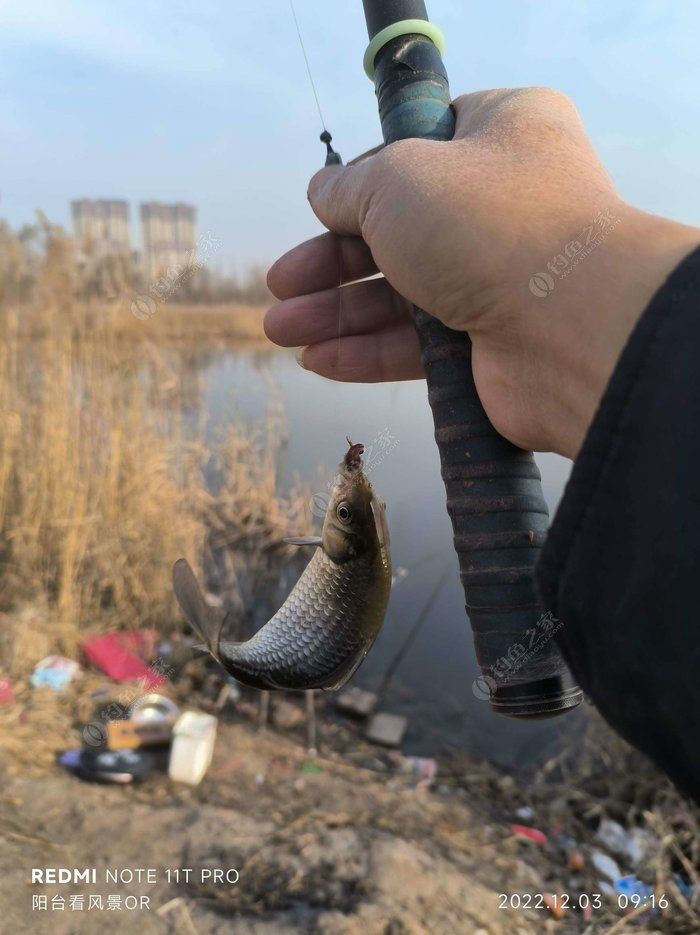
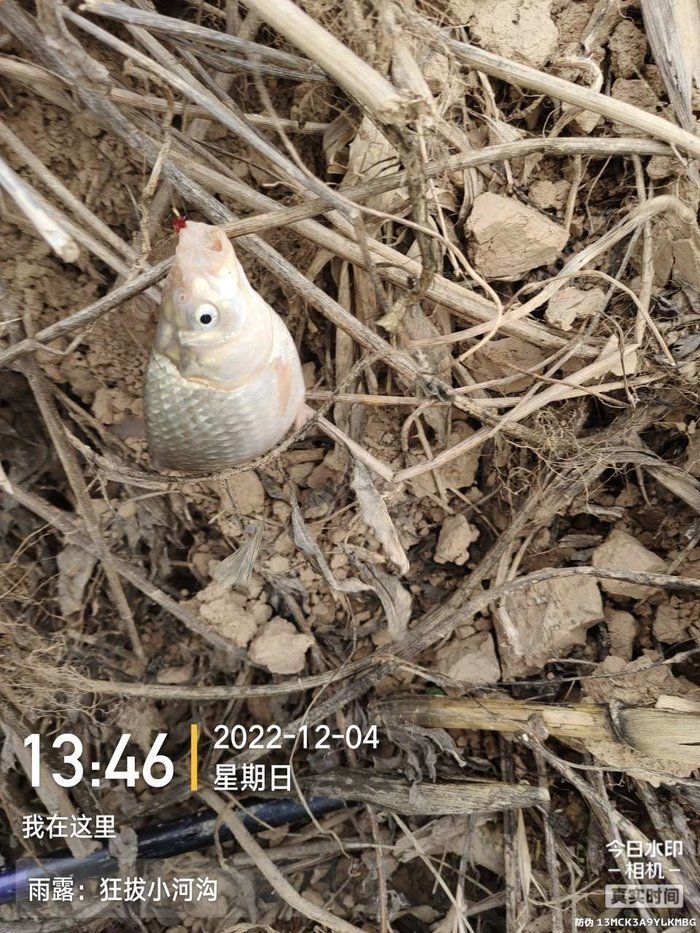
As soon as I lowered my worm bait into the grass bed float I’d pre-baited the day before, something happened. The float, set to three eyes above water, suddenly popped up two full eyes. That’s a bite! I snapped my wrist to set the hook, and felt that familiar little tug. Yes! I reeled in a small, shiny crucian carp—my first catch of the day, and honestly, one of the most satisfying catches I’ve ever had. Was it the pre-baiting that worked? Or switching to the traditional method? Who cares—I had a fish on my line!

I kept going, casting into the grass bed, and got a few more small bites. I even mixed up some more wine rice and dirt balls, casting them to spots on either side of my main spot to attract more fish. I ended up shortening my rod to 11.8 ft (3.6 m) to make casting the short line easier, and suddenly, I was in a groove.
Of course, nothing goes perfectly in winter fishing. Just as I was getting into a rhythm, my spinning rod’s first two sections got stuck together—frozen tight from the cold. I tried everything to get them unstuck: warming it with my hands, twisting it as hard as I could, even wrapping lead around the bottom to weigh it down. But my hands were so numb I could barely grip the rod, and I was terrified I’d snap the tip off. Eventually, I gave up. The wind was picking up, my feet were like blocks of ice, and it was nearing noon. I decided to call it a day, stuck rod and all.

Post-Trip Fixes and Winter Fishing Takeaways
When I got home Sunday, I finally fixed the stuck rod. I ran hot water over the frozen sections, then wrapped lead around the bottom and let it hang from my shower rod overnight. Turns out that trick works like a charm—by morning, the sections slid apart easily. If you ever have a frozen stuck rod, give that a try! Saved me from having to buy a new one.
As I sat there defrosting with a hot coffee, I thought about the day. Winter fishing is hard—there’s no way around it. You freeze your fingers off, you deal with broken gear, and most days you go home empty-handed. But then there are those moments: that first bite, the tug of a fish on your line, the way the sun hits the water just right when you’re least expecting it. It’s worth every shiver, every stuck rod, every minute spent huddled against the wind.
And if I could pass one tip to other winter anglers? Forget casting far. Head for the grass beds near shore. Fish hide there in the cold, and a little pre-baiting with wine rice can make all the difference. Traditional fishing methods might not feel as “fun” as casting a long line, but at the end of the day, catching fish is what matters. Whether you use a fancy setup or a simple long rod with a short line, if it gets you a bite, it’s the right method.
Next weekend, I’m heading back. I’ll bring thicker gloves, a portable heater for my hands, and more wine rice for the grass beds. Maybe the bites will be better, maybe they’ll be worse. Either way, I’ll be out there, casting a line, just happy to be fishing.