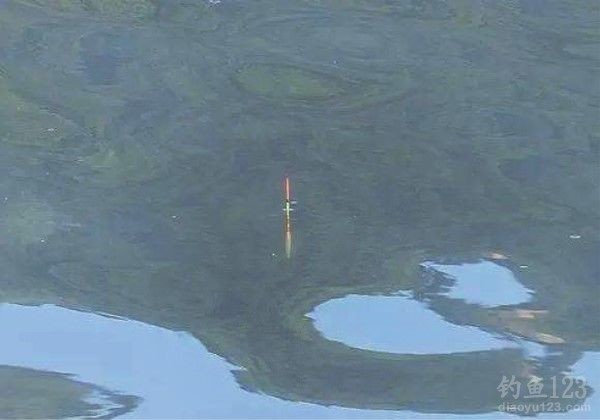
Crucian Carp Wild Fishing: Spot Selection & Float Tuning Tips for Success
Reader Questions That Sparked This Guide
Last week, I was scrolling through our fishing Q&A forum when a fellow angler from Wenzhou dropped two super relatable wild crucian carp problems. Let me break ’em down because I bet 90% of you have faced the exact same headaches:
- He uses the classic “tune 4, fish 2” method, but when he puts on bait, the float sometimes shows 3 marks instead of 2. Is he doing something wrong?
- His go-to wild river spot killed it in winter—he’d catch 60-70 crucian carp a day! But now that the weather’s warming up, he’s barely getting bites. Is he supposed to switch to shallower water?
First off, props to this angler for asking specific questions, but man, he left out some key details: water conditions, line setup, hook size, float type, rod stiffness. C’mon folks, if you want a precise answer, spill all the tea next time! That said, his issues are so common that we can dive deep into solutions even with the info we have.
Demystifying the “Tune 4, Fish 2” Float Method (And Why Your Marks Are Off)

What Exactly Is “Tune 4, Fish 2”?
Let’s start with the basics so we’re all on the same page. “Tune 4, fish 2” is a standard setup where one hook hovers just above the bottom and the other touches the bottom. Here’s the quick breakdown:
- First, you set your float to sit level with the water (called “flat water”) and adjust until it shows 4 marks above the surface.
- Each bait should weigh enough to push the float down 2 marks. So two baits would push it down 4 marks total.
- When you cast out, one bait rests on the bottom (so it doesn’t add weight to the float) and the other hovers, pushing the float down exactly 2 marks. That’s the sweet spot for crucian carp—they don’t have to work hard to eat, and you get clear bites.
Why Your Float Marks Are Fluctuating (And Why It’s Not a Crisis)
Now, back to the angler’s problem: why does his float show 3 marks sometimes instead of 2? Relax, you’re not messing up the method. The issue boils down to two super common wild fishing variables:
Bait Weight and Consistency
Unless you’re using pre-packaged, perfectly uniform bait (which no wild angler does), every ball of dough or piece of red worm is going to weigh a little different. One day your bait might be extra dense because you added more flour; the next, it’s lighter because you mixed in more water. A tiny difference in weight can easily shift the float by 1 mark. It’s totally normal—stop stressing over 1 measly mark!
Uneven River Beds
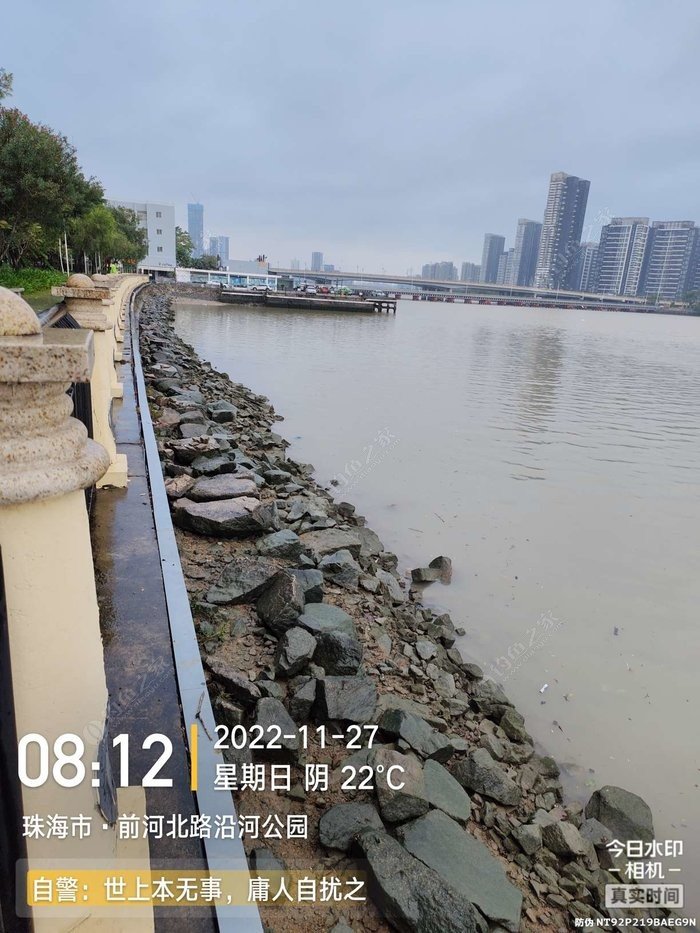
Wild river beds are not smooth as a pool table. There are rocks, mud piles, sunken branches, and all sorts of lumps and bumps. If you cast an inch to the left of your last spot, you might be on a tiny ridge that lifts the float a bit, or a dip that sinks it. That 1-mark swing is just the river being a river.
Here’s the bottom line: a 1-mark difference won’t ruin your fishing. Crucian carp don’t care if your float is on 2 or 3. As long as your setup is in the ballpark, you’ll still get bites. Save the perfectionism for tournament fishing—wild fishing is about rolling with the chaos!
Spring vs. Winter Wild Crucian Carp: Why Your Go-To Spot Isn’t Working
Winter vs. Spring Crucian Carp Behavior
Let’s talk about the angler’s second problem because this is a classic seasonal mistake. In winter, water temperatures drop, and crucian carp’s metabolism slows way down. They group up in deep, stable spots to conserve energy—so once you find that fish cluster, you can catch them all day long. That’s why his winter haul was so epic.
But spring changes everything. As the water warms up, crucian carp get hungry and active. They leave their winter clusters and spread out to spawn and feed. Suddenly, that deep spot that was a goldmine is empty because the fish are out exploring.
Is Shallow Water the Answer? (It’s Complicated)
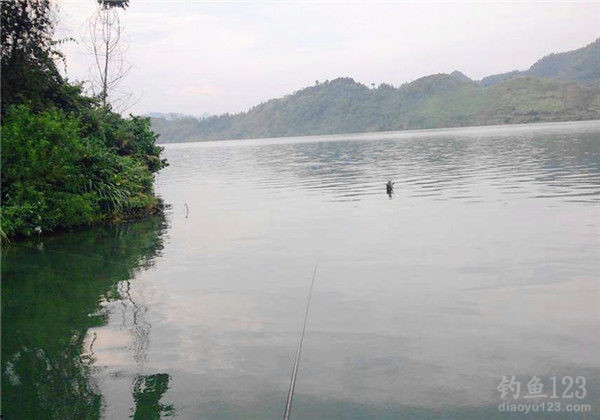
Yes… but no. Spring crucian carp do love shallow water, but not just any shallow water. Here’s what you need to look for:
- Sunlit Shallows: Crucian carp love warm water, so they’ll hang out in shallow spots that get full sun. But don’t go too shallow—if the water is less than a foot deep, they’ll get spooked easily by shadows or movement.
- Shallow-Deep Transition Zones: The best spots are where shallow water meets deeper water. Think of it as a fish highway: they feed in the warm shallow areas, but can dart to deep water if they feel threatened.
- Weed Edges: Crucian carp love hanging around water weeds in spring. Weeds provide cover, food (tiny insects and algae), and warm water. Aim for spots 1.5 meters deep right next to weed beds—this is the holy grail of spring wild crucian carp spots.
Also, don’t sleep on weather stability. Spring weather is crazy—one day it’s 25°C and sunny, the next it’s 10°C and windy. Crucian carp hate sudden temperature swings. Wait for 3 straight days of consistent weather before you head out. If the temp drops overnight, give the fish a day to adjust before you waste your time casting into a dead spot.
Pro Spring Wild Crucian Carp Tips to Boost Your Catch
Adjust Your Float for Spring Conditions
Winter float setups are for slow, cautious fish. In spring, crucian carp are more active, so you can switch to a simpler setup: tune flat water, fish 1-2 marks. This setup keeps your bait close to the bottom but still visible to active fish. If you’re getting a ton of tiny bites from small trash fish (like minnows), try a “running lead” setup: add extra weight to your lead sinker, shorten your leader line, and let the bait hit the bottom fast. This avoids those annoying mid-water bites and gets your bait to the crucian carp.
Try Fishing the “Journey” (Not Just the Bottom)
As spring warms up, crucian carp will sometimes swim up into the middle of the water column to feed on insects. If you’re not getting bites on the bottom, try “fishing the journey”: cast your line, and watch the float as it sinks. If you see it stop or twitch halfway down, that’s a fish biting mid-water. Adjust your float to fish at that depth instead of the bottom. You might be shocked at how many bites you’ve been missing!
Set Up Multiple Spots (Don’t Put All Your Eggs in One Basket)
Gone are the winter days where you could camp on one spot all day. In spring, crucian carp move around a lot. Set up 3-4 different spots within a 20-meter radius. Drop a small amount of bait in each spot and wait for fish bubbles (called “fish signs”). Once you see bubbles, that’s where the fish are—move to that spot and start casting. You’ll save hours of waiting around for bites in an empty spot.
Bait Choices for Spring Success
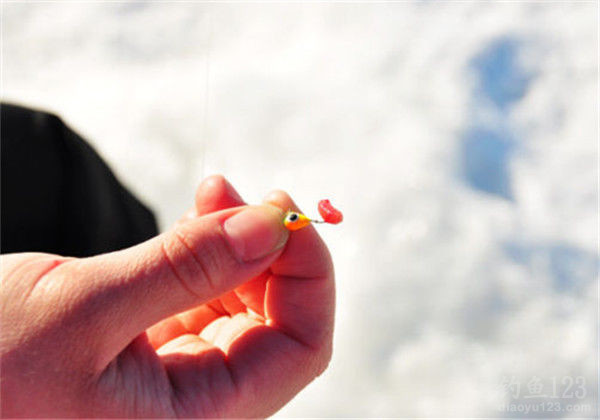
In winter, crucian carp go crazy for heavy, protein-packed baits like red worms. In spring, they’ll still eat red worms, but they also love lighter, sweeter dough baits. Experiment with both—sometimes a change in bait is all it takes to turn a slow day into a productive one. And don’t overdo it with bait! A small, pea-sized ball is enough—crucian carp have tiny mouths, and a big bait will just scare them off.
Final Thoughts (From a Fellow Wild Fishing Addict)
Wild crucian carp fishing is equal parts skill and luck. You can follow all the rules, but sometimes the fish just don’t want to bite. That’s part of the fun! The key is to adapt: if your float marks are off, don’t panic—roll with it. If your winter spot is dead, go explore new shallow spots with sun and weeds. And always remember to share your own tips and tricks in the comments below—we’re all here to learn from each other. Now grab your rod, hit the river, and let’s catch some crucian carp!