Introduction: Let’s Get Back to Yellow Catfish Action!
Hey there, fellow anglers! If you’re like me, summer is all about chasing that big catch—especially when it comes to yellow catfish. These spiny, feisty fish are a blast to reel in, but only if you know where to find them and how to target them right. In my first article, I covered the basics: best weather, prime times, and bait recipes. Now, let’s dive into the secret sauce of yellow catfish success: choosing the perfect spots and mastering the right tackle. Trust me, by the end of this guide, you’ll be hooked (pun intended) on landing more yellow catfish than ever before!
Section 1: The Golden Rule of Yellow Catfish Fishing—Choose the Right Spot!
Before you even think about casting your line, remember this: yellow catfish hate sunlight and love hiding spots. These aren’t the wanderers of the lake—they stick to their “home bases” once they find a shady, food-rich area. So, if you don’t pick the right spot, you might as well be fishing in an empty tank. Let’s break down why location is everything and where to find these elusive fish.
Why Location = Success for Yellow Catfish
- Light-Averse: Yellow catfish have poor eyesight and rely on their whiskers (barbels) to find food. Bright sunlight makes them skittish, so they’ll bolt to shaded areas like bridges, overhanging trees, or deep rock formations.
- Slow Swimmers, Slow Eaters: They’re not the fastest fish in the water—they prefer calm, slow-moving currents where they can ambush prey without expending energy. Fast rapids? Not so much.
- Cover Cravers: Think of yellow catfish as underwater ninjas—they hide in rocks, weeds, and sunken debris to catch smaller fish or insects. If you can’t spot a “shadowy nook,” they’ll likely ignore your bait.
I speak from experience here. Last summer, I spent two hours in a sunny open bay and caught zilch. Then I moved to a shaded bridge piling, and in 30 minutes, I had 4 yellow catfish on the line. Moral of the story: find the shadows, and the fish will find you.
Top 5 Yellow Catfish Hotspots for Summer
After years of trial and error, I’ve narrowed down the best spots. Here’s where I always start first:
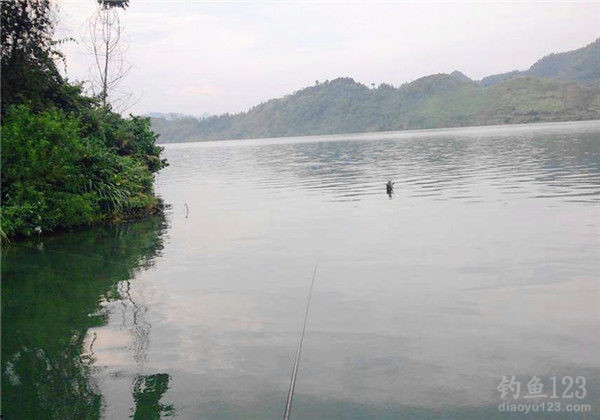
- Flooded River Bays & Eddies – When rivers rise in summer, slow-moving bays near the shore turn into catfish magnets. The murky water hides them, and the gentle current brings food right to their lair. I once found a hidden bay off the main river and bagged 5 fish in an hour. Pro tip: Look for areas with dead water (no current) near moving water—fish love the contrast.
- Weed Beds & Rock Piles – Underwater vegetation and rocks create perfect ambush zones. Yellow catfish lurk here to pounce on unsuspecting minnows or insects. I use a simple underwater camera (okay, a cheap phone holder!) to scout these spots, but you can also cast a small jig and feel for structure. If you feel a “bump” or resistance, that’s your sign!
- Bridges & Culverts – Bridges cast massive shadows, and culverts (those concrete pipes under roads) create dark, cool water pockets. I remember a bridge near my hometown with a culvert opening—every time I fished there, I caught at least 3 fish within 10 minutes. The key? The water flows through the culvert, bringing food, and the bridge blocks sunlight.
- Steep Banks & Drop-Offs – Steep banks drop sharply into deep water, creating a “drop zone” where catfish hang out. I once fished a steep bank at dusk and caught a 2kg catfish that hit my bait right at the water’s edge. These areas are like catfish “restaurants”—they can watch for prey without being seen.
- Submerged Logs & Debris – Old logs, sunken trees, or even discarded fishing nets become home to yellow catfish. These spots break up the water and create hiding places. I once fished near a submerged tree and pulled up a 4kg monster—just by dropping my bait near the log’s roots. Don’t overlook “junk”—it’s often gold!
Remember: Yellow catfish stick to these spots once they find them. So if you catch one in a spot, stay there and fish for 30+ minutes. You might just get a feeding frenzy!
Section 2: Tackle Up! Hand Rod, Spinning Rod, or Longline—Which One Wins?
Now that you know where to fish, let’s talk tackle. Yellow catfish aren’t picky, but using the right gear can make or break your day. Here are the three most effective methods, based on my personal trips and what works for other anglers:
1. Hand Rod Fishing: Traditional & Reliable
Hand rod (or “float rod”) is my go-to for small spots and casual fishing. It’s simple, portable, and perfect for beginners. Let’s break down the essentials:
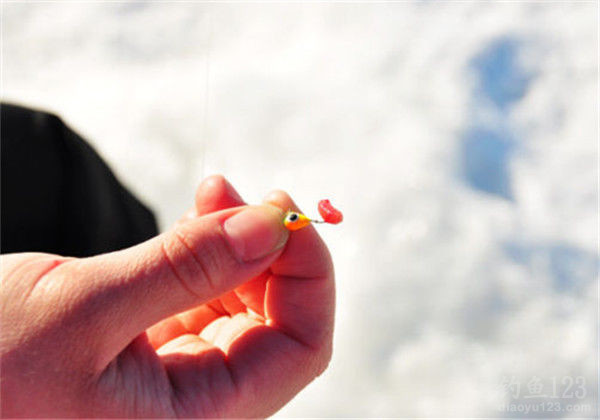
- Bait: Live, Fresh, and Wiggling! Yellow catfish are obsessed with live bait. Earthworms, red worms, or even nightcrawlers work best. I once used a worm that was still wiggling, and it immediately attracted a bite. Pro tip: If your bait dies, fish won’t care. Always keep a small container of live worms in your tackle box—refrigerate them if you’re out in high heat!
- Float & Hook Setup – Use a slip float set 10-15cm above the hook. Yellow catfish hit hard, so a 2/0 or 3/0 circle hook is ideal (they’re less likely to gut the fish). I tie the hook so the barb is pointing outward—less chance of deep hooking.
- Strike Early, Strike Fast! Yellow catfish don’t “nibble”—they pounce. If you see the float start to rise sharply or disappear underwater, strike immediately. I’ve lost count of how many times I hesitated, and the fish swallowed the hook so deeply I had to use pliers. Trust me, the faster you strike, the easier the catch!
- Move That Bait! Even if the float is still, give the rod a gentle twitch or “drag”—like you’re pulling the bait along the bottom. This mimics a wounded minnow, and catfish can’t resist. I once did this and caught a 1.5kg fish that I’d been waiting on for 20 minutes!
Personal story: Last summer, I forgot my live bait and used a prepared dough bait. Big mistake! The catfish ignored it for 45 minutes. Then I ran to the tackle shop for fresh worms and caught 6 fish in the next hour. Lesson: always prioritize fresh live bait.
2. Spinning Rod Fishing: For Deep Water & Big Fish
Spinning rods are great if you’re in deeper water or want to cast farther. They’re also handy for multiple rods (great if you’re fishing alone!). Here’s how to maximize your success:
- Line: Thick is Non-Negotiable! Yellow catfish are often in deep water with other predators (like carp or bass). Use 2.0-2.5mm braided line for spinning rods—it’s stronger and less visible than mono. I once used 1.5mm line and lost a 3kg catfish to a carp. Now I always carry 2.5mm as a backup!
- Rod & Reel: Medium-Heavy Power – A 6-7ft spinning rod with a 2000-3000 size reel works best. Pair it with a 5-10g weight to keep the bait in place. I prefer “finesse” rods for accuracy, but heavy power helps when a big catfish hits!
- Bells for Multi-Rod Angling – If you’re fishing 2+ rods, tie a small bell to each rod tip. This way, even if you’re walking around, you’ll hear the bell ring when a fish takes the bait. I once missed a catch because I didn’t hear a bell, and the fish swam off—now I never go without bells!
- Drag & Tickle – If no bites after 10 minutes, give the rod a slow, gentle pull (like you’re dragging the bait along the bottom). This mimics a wounded animal, and the catfish will rush to attack. I’ve caught multiple fish this way, even when I thought the spot was dead!
I recommend spinning rods for larger bodies of water or when I’m targeting bigger catfish. They’re more versatile than hand rods and can handle deeper drops and bigger fish.
3. Longline Fishing: The “Fish Factory” Method
Longline fishing is my secret weapon for big catches—especially at night! Here’s how to set it up like a pro:
- Line Setup – Use a 30-50m main line with 5-10 hooks tied 1-2m apart. I use a small boat or inflatable raft to launch this, but even a pole with a rope works. Tie the line to a tree or anchor on the shore.
- Bait & Hooks – Use the same live bait as hand rods (worms or red worms). Thread the worm through the hook multiple times to make it look “juicy.” Size 4/0 circle hooks are ideal—they’re easier to remove and reduce deep hooking.
- Night Fishing Magic – Yellow catfish are nocturnal, so evening to dawn is prime time. I start setting the line at 7 pm and collect it at 6 am. By then, I’ve caught 10-25 fish (depending on the area). The darkness makes them bolder, and they hit the bait without hesitation.
- Check & Repeat – Every 2-3 hours, row along the line and check for fish. If you’re on foot, cast a few extra lines nearby. I once fished a longline near a bridge and caught 18 fish in 3 hours—total game-changer!
Pro tip: If you don’t have a boat, use a “ground line”—tie the line to a stick stuck in the ground and let it drape over the water. It’s not as effective as a boat, but it works for shallow areas.
Section 3: Safe Hook Removal & Handling Yellow Catfish Spines
Yellow catfish are known for their sharp spines—three of them, in fact! These spines are venomous, and if a fish swallows the hook, removal becomes a nightmare. Here’s how to stay safe and avoid disaster:
Why You Need Caution
Yellow catfish have three venomous spines: one on their back and two on their pectoral fins. When stung, the area becomes painful, numb, and swollen—some people even get infections. Worse, if the fish swallows the hook deeply, it’s nearly impossible to remove without tools. I once got stung and had to cut the line because the hook was stuck in the fish’s throat—long story short: always use a hook remover.
Essential Gear: The Hook Remover
Invest in a small hook remover (like a metal rod with a curved end) and keep it in your tackle box. Here’s how to use it safely:
- Hold the fish firmly behind the head (away from the spines). Use a towel or glove to avoid slipping.
- Find the hook point—usually near the fish’s mouth or under the jaw if it’s swallowed deeply.
- Insert the remover’s curved end under the hook, lifting the barb slightly to free it.
- Gently pull the hook out in the same direction it went in (never force it!).
- Release the fish immediately—they’re tough, but quick release helps them survive!
Pro tip: If you don’t have a remover, use pliers with padded jaws. But even better, keep a pair of needle-nose pliers in your first-aid kit for emergencies.
First Aid for Spine Stings
Accidents happen! If you get stung, follow these steps to reduce pain and swelling:
- Squeeze Out Venom: Squeeze the wound to push out venom and blood. This reduces swelling.
- Saliva as Antidote: Spit into your hand and rub it on the sting. The enzymes in saliva neutralize the venom—swelling goes down in 30-60 minutes.
- Clean & Cover: Wash the area with soap and water, apply antiseptic, and cover with a bandage. If swelling worsens, seek medical help.
I once got stung on my thumb and panicked. I tried pulling the spine out, which only made it worse. After squeezing and using saliva, the swelling went down in an hour. Trust me, the saliva trick works—no magic, just science!
Storing Your Catch
Yellow catfish spines are brutal on nets. I use a large plastic bucket with 1-2 inches of water. It keeps them alive longer and prevents hook injuries. I’ve also used a live well (a small tank with an air pump) for bigger catches. Never use a net—your catfish will get stuck and bleed out. Buckets = safety!
Final Thoughts: Your Summer Yellow Catfish Adventure Awaits
Summer yellow catfish fishing is all about knowing their habits, choosing the right spots, and using the right tackle. Whether you’re using a hand rod in a shaded culvert, a spinning rod in deep water, or a longline at night, these methods have worked for me and countless anglers. Remember: patience, fresh bait, and safety first will make your trip a success.
Have you tried any of these spots or techniques? Did you have a wild catfish story? Drop a comment below—I’d love to hear your tips! And if you missed Part 1, check out the first article on weather, timing, and bait recipes to complete your summer toolkit. Tight lines, and may your next catch be a big one!