Proven Surf Casting & Sea Rod Fishing Techniques From Seasoned Anglers
Let’s be real—there are a million ways to reel in a big fish, but few beat the laid-back thrill of surf casting (or sea rod fishing, whatever you wanna call it). You’re in control: pick your spot, cast near or far, reel in or let line out, and just soak up the vibe while waiting for that bite. It’s pure, unadulterated fishing joy. As someone who’s spent way too many weekends camped out by lakes and reservoirs chasing big catches, I’ve picked up a ton of tricks from old-timers that actually work. Today, I’m spilling all the tea on the most essential techniques to step up your surf casting game. Trust me, your next big catch is just a few tweaks away!

1. Master Your Casting Stance (Yes, It Matters!)
If you wanna hurl that bait as far as possible without straining your back or sending your tackle flying into the next county, nailing your stance is non-negotiable. I’ve seen so many newbies flail around like they’re trying to swat a wasp, wasting energy and missing their target entirely. Let’s fix that.
For most reservoir or open-water spots, here’s the move that never fails:
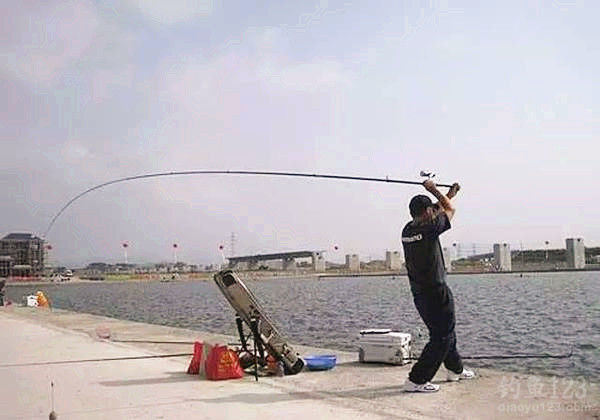
- Plant your feet shoulder-width apart, one slightly forward for balance (like you’re getting ready to swing a baseball bat).
- Hold the rod behind your head, keeping the line and bait clear of your body (no one needs a hook to the shoulder, trust me).
- Swing the rod forward in a smooth, fluid motion, using your whole body—not just your arm—to generate power. Release the line at the top of the swing to send that bait sailing exactly where you want it.
This stance lets you put all your weight into the cast, so you can reach those deep-water spots where the big boys hide, without tiring out after three casts.
2. Rigging Done Right: Stop Losing Fish (and Your Sanity)
Rigging is where most anglers mess up. I’ve lost more than my fair share of trophy fish because I didn’t set up my line correctly. But after years of trial (and way too much error), I’ve got the two most common rigs down pat: the string hook rig and the explosion hook rig. Let’s break ’em down.
String Hook Rig Basics
For string hooks, the golden rule is: weight below the hooks. This keeps your baits at the right depth and lets them move naturally in the water, which drives fish crazy. It’s simple, but get this wrong, and you’ll be reeling in empty lines all day.
Explosion Hook Rig (The Big Catch Favorite)
Explosion hooks are perfect for luring in big carp or catfish, but they’re a bit finicky. Here’s the key:
- Weight goes above the hooks, not directly on the main line. If you thread the weight straight onto the main line, you’ll either snap the line when a big fish hits, or your bait and weight will separate, sending your lure floating off-target. Not ideal.
- Here’s the pro trick I learned from an old reservoir angler: for summer fishing (when fish are extra skittish), add two fixed loops to either end of the weight, leaving 2-3 inches of slack between the loops and the weight. Then, tie a loop on your main line, and slip the weight’s loop through your main line’s loop. It’s a quick connect that doesn’t damage your main line, and it keeps your bait and weight synchronized. When you’re done fishing, just untie the loop—no cut lines, no wasted gear.
3. The Correct Way to Stick Your Rod in the Ground
After you’ve cast your line, the last thing you wanna do is hold the rod for hours on end. That’s why knowing how to set up your rod properly is a game-changer. It saves your arms, keeps your rig stable, and makes it easier to spot bites. But there’s a method to the madness—different rigs need different angles.
- For string hook rigs: angle the rod at about 30 degrees from the ground. This keeps your line tight enough to feel bites, but loose enough that you don’t yank the bait away when a fish takes a tentative nibble.
- For explosion hook rigs: go steeper, at around 60 degrees from the ground. This helps keep your bait anchored in place, even if there’s a bit of current.
And one critical rule: don’t crank the wind line too tight. I made this mistake early on, and I scared off so many fish. If the line is too taut, the rod will jerk back as soon as a fish touches the bait, spooking it before it even commits. Instead, leave a little slack—about half a turn of the reel for string hooks, or a full turn for explosion hooks. This gives the fish time to take the bait properly before you set the hook.
4. Pre-Fishing Prep: Find the Perfect Spot (No More Guesswork)
Even if you’ve got the best rig and the perfect cast, you won’t catch anything if you’re casting into a barren patch of water. That’s why pre-fishing scouting is non-negotiable, especially if you’re fishing a new spot.
Here’s how I find my honey holes:
- Test the bottom first: Cast an empty hook with a weight into the spot you’re eyeing. Reel in slowly, feeling the line as you go. If the line stays smooth, the bottom is flat and even. If you feel sudden drops or bumps, you’ve found a hole or a ridge—and those are prime fish spots. Fish love hiding in holes or cruising along ridges to hunt for food.
- Avoid the crowd: I know it’s tempting to set up next to a group of anglers who are catching fish, but trust me—fish get spooked by commotion. If everyone’s crowded into one spot, move 50-100 feet away. You’ll often find a better spot with less competition, and you won’t have to worry about tangling lines with the guy next to you.
5. Bite Alerts: Don’t Miss a Single Catch
Let’s face it: sitting there staring at your rod tip for hours is boring. And if you zone out for two seconds, you might miss the bite of a lifetime. That’s where bite alerts come in—they’re your fishing sidekick, letting you know when a fish is on the line without you having to stare nonstop.
- Bite bells: These are cheap, easy, and great for daytime fishing. A little jingle means a small fish is nibbling, so you can take your time reeling in. But fair warning: big fish often pull the rod down slowly, so the bell might not ring. Keep an eye on your rod tip too!
- Night lights or glow sticks: For summer night fishing (my absolute favorite), glow sticks are a must. Clip one to your rod tip, and you can see even the tiniest twitch in the dark. Nothing beats watching that glow stick dip down in the middle of the night—knowing a big fish is on the line is the ultimate rush.
6. Bonus Rigs to Mix Up Your Game
If you’re tired of the same old rigs, here are two combo setups that I’ve used to catch everything from small crucian carp to monster catfish:
Small Weight, Double Hook Rig for Carp
This rig is perfect for targeting smaller, skittish carp in summer. Here’s how to set it up:
- Use a small weight, with 3 inches of slack between the weight and the main line.
- Tie on two hooks: one with a meaty bait (like worms or shrimp) and one with a plant-based bait (like corn or dough). This covers all bases, since carp can be picky depending on the day.
String Hook + Explosion Hook Combo (The Ultimate Catch-All)
For days when you don’t know what’s biting, this combo is unbeatable. It targets both bottom-feeding fish and mid-water cruisers:
- Tie string hooks on the upper part of the main line, using plant-based baits to lure in carp or bream.
- Add an explosion hook with a messy, smelly dough bait below the string hooks, with the weight at the very bottom.
- Keep the distance between string hooks to three hooks max—this prevents tangling, which is the last thing you want when a big fish hits.
- Pro tip: Use a rod that’s at least 3 meters long for this setup. It gives you the leverage you need to cast the heavy combo far and fight big fish without breaking your rod.
And a quick note for small pond fishing: since space is tight, always attach your bait first, loosen the line, flip the line stopper, and then cast with your free hand holding the bait. When you get a bite, reel in straight—no zig-zagging, or you’ll tangle lines with every other angler within 10 feet. Trust me, I’ve been there.
At the end of the day, surf casting is all about having fun and learning as you go. I still mess up casts, lose rigs, and spook fish sometimes—but that’s part of the adventure. These techniques have saved me countless hours of frustration and helped me land some of my favorite catches. Give ’em a try on your next trip, and let me know what you reel in. Tight lines, everyone!