
How to Catch Silver and Bighead Carp in a Reservoir on a Rainy Day: A Practical Guide from a Fellow Angler
Man, summer is brutal. The sun just beats down, and it feels like the whole world is melting. On days like these, most fish—like carp, bream, and crucian—they all just vanish into the deepest, coolest parts of the water they can find. It’s like they’re on a permanent vacation in the deep. But you know who loves this heat? Silver carp and bighead carp, collectively known as “filter feeders” or “Asian carp” in many places. Summer, my friends, is prime time for targeting these powerful fighters. And let me tell you, fishing for them on a day after some rain? That can be a game-changer.
Now, there are a bunch of ways to go after them. You’ve got float fishing with a pole, or you can use a method with a fixed-point setup on a spinning rod. Me? I’m a hand-line float fishing guy through and through. Some people say it’s more “technical.” Honestly, I just never really got the hang of those other methods, so I stick with what I know and love! There are tons of expert videos and courses online that go super in-depth, and they’re fantastic. I’m not here to replace those masters. I’m just a regular guy who loves to fish, and I want to share a real, boots-on-the-ground (or waders-in-the-water) experience I had recently. Think of this as a fishing story with some hopefully useful tips sprinkled in.

Gearing Up for the Reservoir Battle
Alright, let’s set the scene. This was a specific trip, but the principles apply, especially for that post-rain scenario the title mentions.
The Day and The Setup
Date: July 12, 2025
Weather: Sunny, but following a night of rain. This is key!
Temperature: 28°C to 34°C (82°F to 93°F)
Wind: Light southerly breeze, 1-2 on the scale.
See that? “Following a night of rain.” Rain does something magical. It cools the surface, adds oxygen, and can stir up nutrients. For fish that filter feed on plankton, this can make them more active, sometimes at slightly different depths than on a blistering hot, stable day.
Here’s what I had in my arsenal:
- Rod: A 4.5-meter (about 15-foot) telescopic fishing pole. Sturdy, with a good backbone.
- Line Setup: Main line at 2.5#, leader line at 2.0#. You need strength for these fish; they fight like crazy.
- Hook: Size 6 Issei hook. A good, strong, sharp hook is non-negotiable.
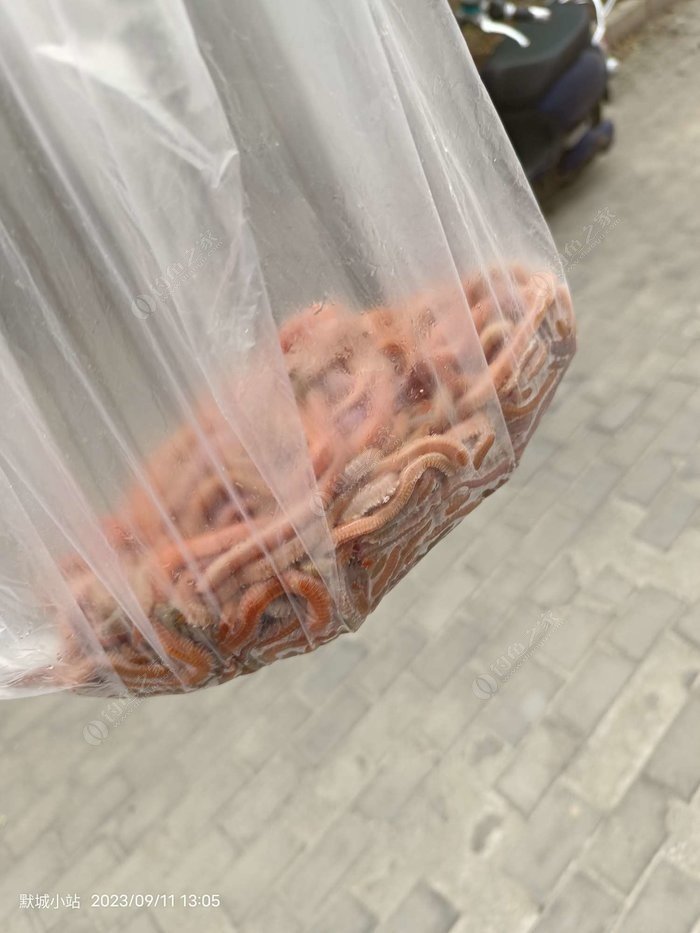
- Bait: This is the fun part. I used a mix of commercial baits specifically designed for silver carp and bighead carp. Think fluffy, cloud-creating baits. I had “Tian Yuan Float Fishing for Silver/Bighead Carp” and “Peng’s Silver/Bighead Carp Bait” in my bag.
Finding the Spot and Setting the Mood
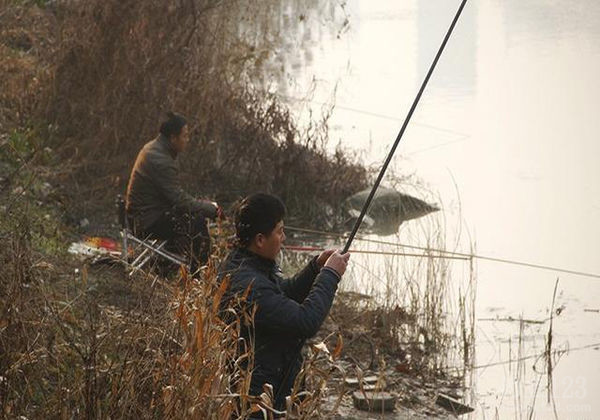
I rode my motorcycle out to the reservoir. First order of business? Park in the shade. Nobody wants to come back to a seat hot enough to fry an egg. Even with the heat, there’s a special beauty to a summer day at the water. The sky is blue, the trees are a vibrant green, and the water… well, it looks inviting. Setting up my umbrella, sitting by the water, casting a line with the breeze – it’s pure therapy. Only another angler gets it.
Choosing the Fishing Spot (The “Where”)
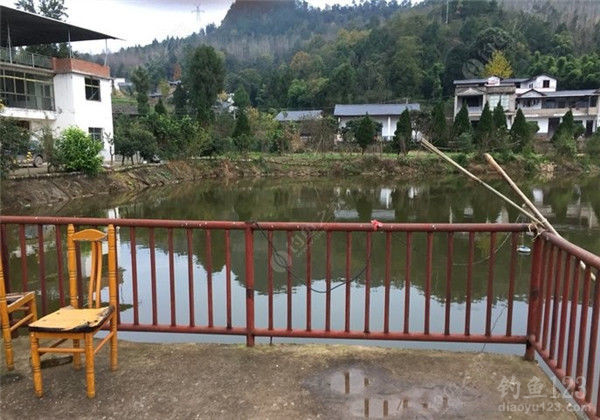
For these fish, especially in a reservoir, depth and structure matter. I picked a spot where the water was about 4 meters (13 feet) deep. This particular spot was also in a slightly narrower channel of the reservoir. Why? Narrower areas can sometimes funnel plankton and, consequently, the fish that eat them. It just felt like a good spot for suspended fish like silver carp.
The Action Begins: Patience, Surprises, and Lessons
Because it had rained the night before and the morning was relatively cooler, I started my float a bit deeper—around 1.5 meters (5 feet) down. I began casting frequently, creating a cloud of bait in the water to attract them. It didn’t take long for the small fish to find it. They were going nuts, pecking and dancing around. It’s easy to get frustrated, but you just have to ignore them and keep casting. That cloud is your main tool.
Here’s a pro-tip: Watch the small fish. They’re your little scouts. When you see them suddenly scatter and vanish? Get ready. That often means a bigger predator—or in this case, a big filter-feeder—has just cruised into your bait zone. It’s like the music just stopped.
Surprise Guest Number One
My float dove under with a solid “bloop!” I set the hook, and the fight was on. But it felt… different. Not the steady, heavy pull of a bighead carp. This thing was darting. I heaved back, knowing you need to set the hook firmly with these larger fish, or they’ll just run you ragged. I was using a decent rod, but let’s be honest, for real monsters, a dedicated, powerful carp rod over 4.5 meters is a safer bet. It has the backbone to handle the initial, heart-stopping runs.
After a good fight, I got a glimpse of silver. It was a grass carp! A beautiful one, about 2-2.5 kg (41/2 pounds). In my excitement, I realized my net was still collapsed on the bank. Rookie move. I tried to swing it in… and you can guess what happened. One powerful thrash, and ping – it was gone. I just stood there, watching the ripples, letting out the biggest sigh known to mankind. Lesson learned the hard way: Always have your net ready and assembled. Fishing is full of these “what if” moments.
Bait-Saving Tactics and The Real Target
Float fishing for these guys is a bait-heavy game. You’re constantly casting to maintain that cloud. To save a bit of bait, I often just put a bait ball on the upper hook. The magic usually happens on the lower hook anyway. The commercial baits work perfectly for creating that essential cloudy trail.
Finally, the small fish truly disappeared. The water went quiet. My focus was laser-sharp. Then, the float gave a decisive, confident dip. I struck. This time… it felt like I’d hooked the bottom of the lake. That unmovable, heavy feeling. That’s the feeling of a proper bighead carp. My heart started pounding.
The Big One That Got Away (A Tale of Woe)
The fight was on. The fish surged, and I leaned back, trying to keep the rod high. But my gear, while okay, was being tested to its absolute limit. I couldn’t quite lift the rod to properly control the run. And I had made another critical mistake: no safety line (or “breakaway line” setup). It all happened in slow motion. A final, powerful surge, a line singing through the water, and then… slack. The line had snapped. I was left holding my rod, feeling a mix of adrenaline and utter disappointment. So, let’s add another lesson to the board: For big reservoir fish, use a safety line or make sure your main line and drag are perfectly balanced for the rod’s power. Don’t be like me.
Success and Adapting to Conditions
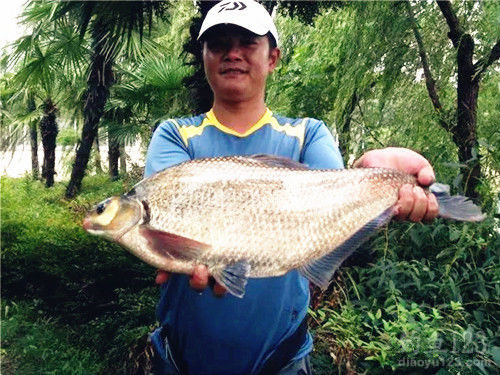
I took a deep breath, tied on a new leader, and got back to it. You can’t dwell on the losses. Soon enough, another bite. This one felt more manageable. A careful, patient fight later, and I slid the net under a beautiful silver carp (hypophthalmichthys molitrix), around 2.5 kg (5ish pounds). Success!
Now, here’s an interesting observation. Silver carp often feed higher in the water column than bighead carp. But this one came from the deeper zone I was fishing. Why? My theory: the previous night’s rain had mixed the water layers and maybe brought food sources down a bit, or the morning hadn’t heated up enough to push them to the very top. It’s a reminder: Be flexible. Don’t just fish at one depth because a chart says so. Start where you think is right, but be prepared to adjust up or down. The hottest part of the afternoon is often the most predictable for shallow fishing, but weather changes everything.
Wrapping It Up: Rainy Day Reservoir Tactics for Silver and Bighead Carp
So, pulling it all together for that “rainy day” scenario the title promises:
- Embrace the Post-Rain Window: Fishing after rain can be fantastic. The water is oxygenated, and fish may be more active. Don’t let a morning drizzle keep you home.
- Depth is a Guiding Light, Not a Rule: Start in deeper water (2-4 meters) in the morning, especially after a cool night. As the sun heats up, be ready to move your float shallower. Use the small fish as your activity indicator.
- Gear Matters, But So Do Fundamentals: A strong rod (4.5m+), reliable line (2.0#-3.0# range), sharp hooks, and a good net are your base. But the real fundamental is patience and creating that consistent bait cloud.
- Learn from My Mistakes! Have your net ready. Seriously. And if you’re targeting potential monsters, consider a safety line or ensure your setup is balanced to prevent break-offs. It hurts less to lose a leader than your whole rig.
- Bait Smart: Use specialized fluffy baits. You can put bait just on the upper hook to save material once you’re confident fish are in the area.
- Location, Location: Look for deeper areas, points, or channel narrows in the reservoir where plankton and fish might congregate.
That’s it. That was my day. Some frustration, a great learning experience, and one beautiful fish to take home. Fishing for silver carp and bighead carp is active, engaging, and when it all comes together, incredibly rewarding. It’s not just about sitting and waiting; it’s about creating the conditions and then reacting. Next time you see a forecast for a summer rain followed by sun, consider heading to your local reservoir. You might just find the filter feeders are ready to play. Tight lines, and may your net always be ready!