Imagine Having a Reservoir in Your Backyard—Sounds Dreamy, Right? (Until You Hit the “Fat Water” Wall)
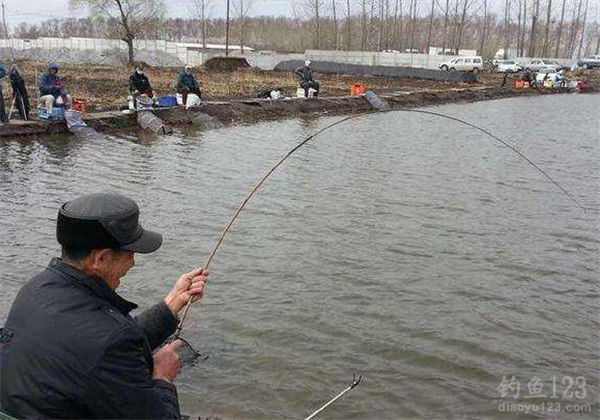
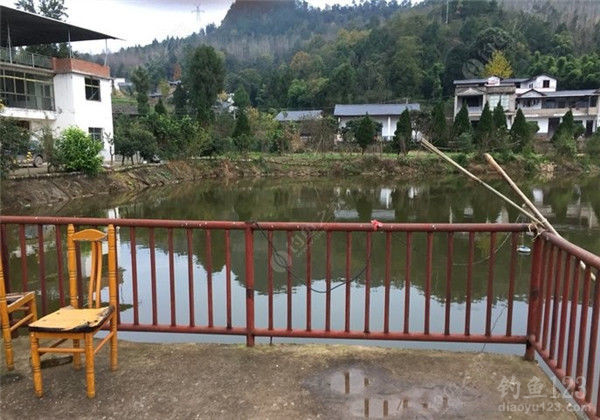
Let’s start with some serious fishing envy. Down in the southern US, where water access is basically a birthright, I’ve seen anglers on social media post about walking 2 minutes from their front door to a prime wild fishing spot. Some even have a small reservoir literally in their backyard! Cue the jealous sighs—getting to cast a line whenever the urge strikes is every angler’s fantasy. But here’s the catch: reservoirs near residential areas almost always turn into “fat water,” and catching those trophy carp or crucian carp hiding in there? It’s way harder than it looks.
A while back, an angler reached out with exactly this problem. His backyard reservoir is surrounded by homes, and local folks wash potatoes and sweet potatoes in the water regularly, turning the water super murky and nutrient-heavy. Everyone knows there are big crucian carp and carp in there, but hardly anyone catches them—only the occasional silver or bighead carp makes an appearance. He wanted to know how to crack this code, and honestly? I get it. Staring at a reservoir full of fish you can’t catch is the most frustrating thing in the world.

First, Let’s Break Down Why Fat Water Makes Fishing So Tough
Before we dive into tactics, let’s get one thing straight: fat water is an oxygen thief. I’ve covered this in detail in past posts, but it’s worth repeating because it’s the root of every problem you’ll face here.
Fat, nutrient-rich water is loaded with algae, decaying plant matter, and dead microbes that pile up on the bottom. All that gunk uses up tons of oxygen just breaking down, so the bottom of the reservoir is almost always low on oxygen—like, suffocatingly low. The middle and upper layers only get decent oxygen levels when the sun is blazing (so algae can photosynthesize and produce oxygen) or when a good wind stirs up the surface, mixing oxygen into the water.
That’s why the fish in these reservoirs are always ditching the bottom. Imagine being stuck in a stuffy room with no windows—you’d climb the walls to find fresh air too, right? Fish do the exact same thing. They leave the oxygen-starved bottom and hang out in the middle or upper layers where they can breathe. That’s why so many anglers cast to the bottom and get nothing but weeds and empty hooks.
Tactics for Catching Bottom Fish in Oxygen-Depleted Fat Reservoirs
Since the angler didn’t share details like the reservoir’s depth map, which side is shallow or deep, or even the exact location, we’re skipping seasonal spot selection for now (though that’s a game-changer once you have the data). Instead, let’s focus on the big-picture strategies that work for fat, low-oxygen water—you can tweak these based on the season, weather, and what the fish are doing that day.
Option 1: Still Want to Fish the Bottom? Timing is Everything
If you’re set on targeting bottom dwellers like crucian carp and carp, you can’t just fish the bottom whenever. You have to pick the days and times when the bottom has enough oxygen to keep fish there.
- Pick bright, sunny days: When the sun is out, algae near the bottom can photosynthesize, which boosts oxygen levels right where the fish normally feed. This is your best bet for catching bottom fish in fat water.
- Fish on windy days: A steady wind stirs up the surface, pushing oxygen down into the lower layers. Just make sure you’re fishing the downwind side—that’s where food gets pushed, and oxygen levels are highest.
- Stick to early morning or late evening: Before the sun gets too hot or after it starts to set, the water temperature cools down a bit, and oxygen levels are more stable near the bottom. Midday? Forget it— the bottom is a dead zone for fish.
And when you do pick your spot, prioritize areas that get the most sun (for algae growth) or places like inlets and outlets, where fresh, oxygen-rich water flows into the reservoir. Those spots are like oxygen oases for fish.
Option 2: Fish the Middle (Or Even the Surface) With Float or Suspended Fishing
Let’s be real—most days, the bottom is just too low on oxygen for fish to stick around. That’s when you need to meet them where they are: in the middle or upper layers of the water.
The goal here is to train the fish to come up and eat your bait by creating a steady supply of food in their oxygen-rich zone. Here’s how to pull it off:
- Use the “suspended fishing” method: This involves setting your hook to hang in the middle of the water column instead of resting on the bottom. The key is to slow down how fast your bait sinks so fish have time to notice and grab it.
- Tweak your float setup for slower sinking: Try adjusting your float to a high setting with a low hook—like setting the float to mark 8 and hooking at 2, or even setting it to the fat part of the float if you’re using heavy carp bait. This makes the bait sink way slower, giving fish more time to strike.
- Extend your leader line: Slide the two stops holding your sinker up a bit to make your leader longer. This makes the bait swing more as it sinks, which looks more natural and attracts curious fish.
Option 3: Nail Your Bait and Casting Routine for Suspended Fishing
Suspended fishing isn’t just about setup—it’s about keeping the fish interested enough to bite. Your bait choice and casting frequency make all the difference.
- Use light, easy-to-eat bait: Fish in low-oxygen water are sluggish, so they don’t want to waste energy on heavy, hard-to-swallow bait. Stick to soft pull bait or small roll bait that’s easy to inhale—they’ll be way more likely to bite.
- Keep your bait light: Heavy bait sinks too fast, skipping past the suspended fish. Use lighter bait so it drifts slowly through the water column, right where the fish are hanging out.
- Cast frequently and consistently: You need to create a steady “rain” of bait in the same spot to train the fish to come there to eat. Cast every 1-2 minutes, even if you don’t get a bite. After a while, the fish will associate that spot with food and start hanging out there waiting for your bait.
Final Thoughts (And a Call for Pro Tips)
Fat, low-oxygen reservoirs are tricky, but they’re not impossible. The key is to stop fighting the water and start working with it: fish where the oxygen is high, and adjust your bait and setup to meet the fish where they’re at.
Of course, every reservoir is different. Maybe you’ve got a secret spot in a fat reservoir that always produces, or a bait trick that gets sluggish fish to bite? Drop a comment below—we’re all here to learn from each other. And if you have more details about your local reservoir (like depth maps, water clarity, or seasonal fish patterns), you’ll be able to tweak these tactics even more to catch those trophy carp and crucian carp you’ve been chasing.
Happy fishing, and may your lines always be tight!