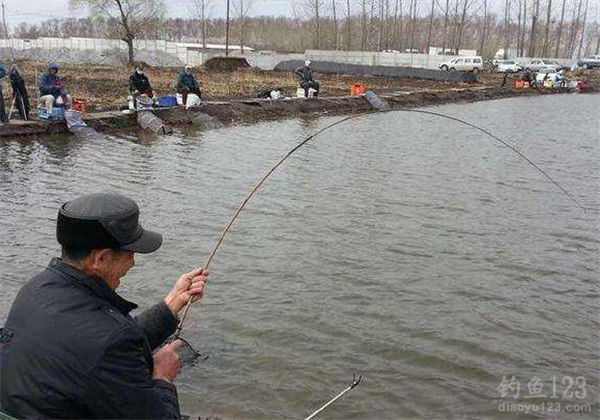
Let’s be real—if you’ve ever swapped a quiet lake morning for a chaotic weekend at a “black pit” (those commercial fishing ponds), you’ve probably noticed they’re like two totally different sports. From the gear you grab to the bait you mix, black pit fishing feels way more “calculated” than winging it in the wild. Today, I’m breaking down the nitty-gritty differences between these two fishing styles so you don’t show up to a pit with a wild fishing setup (we’ve all seen that guy—don’t be that guy).

Water & Fish Conditions: Night and Day
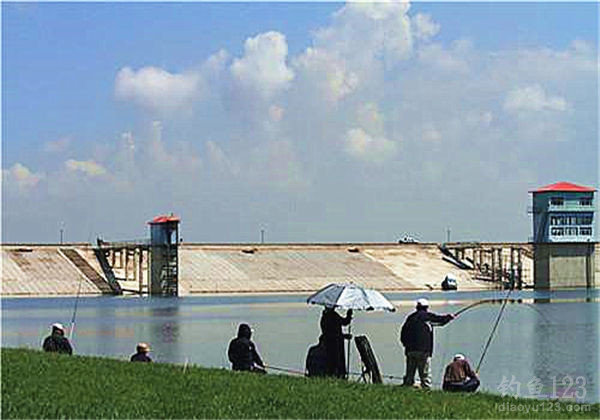
First up, let’s talk about where you’re actually casting your line. Wild fishing spots are natural—think reservoirs, rivers, lakes. These places are huge, right? So if you’re chasing big fish like carp or bass, good luck—their density is super low. I once spent 3 days at a reservoir and only caught one tiny bass… and it probably felt sorry for me. Black pits? Total opposite.
Black Pit: Stocked, Dense, and (Usually) Murky
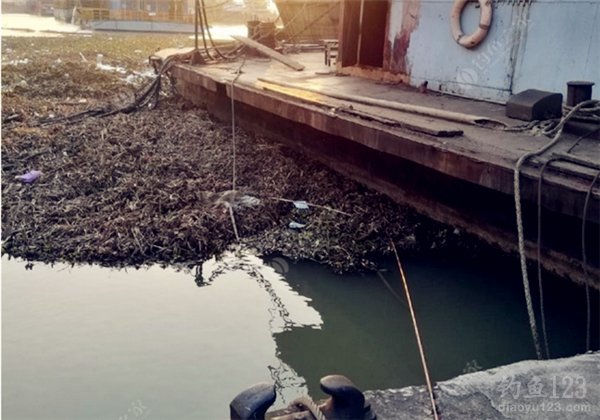
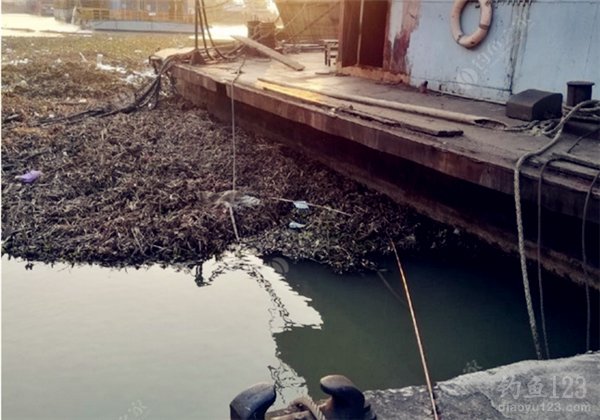
Pit owners dump fresh batches of fish regularly—so the density is way higher, and the fish sizes are pretty consistent (no surprise 2-pounders here). But here’s the catch: pits are basically “dead water” (no natural flow). Add in tons of bait from daily anglers rotting at the bottom, and you get this thick, gross “muck layer” (I’ve lost hooks in that stuff—never fun). All that decay makes the water super nutrient-heavy (read: murky and stinky). Your lures might even get lost in the muck if you’re not careful!
Wild Fishing: Vast, Unpredictable, and Clearer
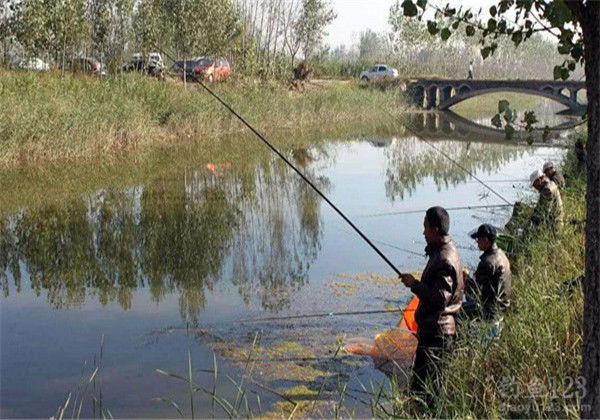
Wild waters have natural flow, so the water’s usually clearer (unless it’s a muddy river after rain). But since it’s so big, fish spread out. You might cast for hours and not get a nibble—then suddenly, a monster hits out of nowhere. It’s a rollercoaster, but that’s part of the fun, right?
Fish Species: Farmed vs. Wild—Big Difference in Fight
Black pits almost always stock farmed fish (think: tilapia, catfish, or farm-raised bass). Wild fishing? You’re going after fish that grew up fending for themselves. And let me tell you—same species, totally different fight.
Wild fish have to swim miles every day to find food—so they’re built like little bodybuilders. I once hooked a wild bass that pulled my rod so hard I almost fell in the water. A farmed bass from a pit? It fights, but it’s like comparing a high school athlete to a pro—no contest. Farmed fish are used to being fed, so they don’t have that same “survival strength.”
Environmental Impact: Wild Fish Are Drama Queens
Both fish react to changes (temperature drops, rain, weird weather), but wild fish overreact. Let’s say a cold front hits:
- Wild fish? They shut down. They’ll swim to deep water and stop eating for days until things stabilize. I once went wild fishing after a storm and didn’t get a single bite—total waste of bait.
- Farmed pit fish? They care way less about the weather. Yeah, they might slow down, but they’re still hungry. The pit’s water conditions (like muck or murk) affect them more than a little rain. So you don’t have to cancel your pit trip just because the forecast says “cloudy.”
Bait: Wild Fish Love Natural, Pit Fish Love… Whatever Their Farm Fed Them
This is where most new anglers mess up. Bait for farmed vs. wild fish is not interchangeable—trust me.
Wild Fishing Bait: Keep It Simple (and Natural)
Wild fish eat whatever’s around: bugs, plankton, seeds that fall in the water. So your bait should mimic that. I swear by corn (cheap, easy, and wild carp go crazy for it) or worms. Even bread works if you’re in a pinch. Keep it light, keep it natural—no fancy smelly stuff needed.
Black Pit Bait: Think Like a Farm
Farmed fish are raised on specific feed (pellets, usually). So if you want to catch them, you need to match that feed. First, ask the pit owner: “What do you feed these guys?” If they say “wheat pellets,” grab wheat-scented bait. Also, since the water’s murky, you need stronger scents—garlic, anise, or even fish oil. I once used a vanilla-scented lure in a pit and caught 5 fish in 20 minutes—game-changer.
Pro tip: If the pit has a thick muck layer, use floating bait. You don’t want your bait sinking into the muck where fish can’t find it!
Gear Setup: Pit Fishing = Fast & Furious; Wild = Slow & Steady
Your rod and line make all the difference. Let’s break it down:
Black Pit Gear: Hard Rods for Fast Bites, Soft Rods for Shy Fish
Pits get busy—especially on “stock days” (when they add new fish). Those first few hours? Fish are going crazy for food. So most anglers start with a stiff rod (fast action) and thick line (10-15 lb test) to reel them in quick. But once the active fish are gone? The remaining ones get shy (they’ve seen their friends get hooked!). That’s when you switch to a soft rod (slow action) and small line/hooks (4-6 lb test). It’s more sensitive, so you can feel even tiny nibbles, and the small gear doesn’t scare the shy fish.
Wild Fishing Gear: Soft Rods for Big (Rare) Fish
Wild fish are rare, so you’re waiting for that one big bite. Soft rods are better here—they’re more flexible, so when a big fish pulls, you don’t snap your line. I use a medium-action rod with 8-12 lb test for wild bass. It gives me enough strength to fight them without losing the sensitivity to feel nibbles.
At the end of the day, both styles are fun—they just need different approaches. If you want fast, consistent action? Hit a black pit. If you love the thrill of the unknown? Grab your gear and head to a wild lake. Me? I switch between both—sometimes I want to catch 10 fish in an hour, sometimes I want to sit quiet and wait for that monster. Whatever you choose, just remember: adapt your gear and bait to the water. And don’t forget to bring snacks—fishing is hungry work.