



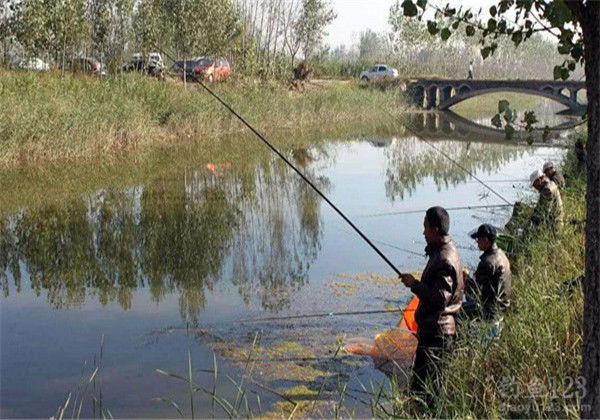
Spring Fishing Spot Selection: All the Pro Tips You Need to Land More Fish
Let’s be real—after hibernating through a long, cold winter, every angler’s fingers are itching to grab their rod, tie on a lure, and head to the water. But here’s the thing: even if you’ve got the fanciest gear or the best bait, if you pick the wrong spot, you might as well just sit there and watch the clouds go by. Spring fishing spot choice isn’t just a guess—it’s a science, and I’m here to break down all the tricks I’ve learned over years of chasing bites when the weather warms up.
First, Understand What Drives Fish in Spring
Before we dive into the nitty-gritty of spot selection, let’s get one key fact straight: in early spring, water temperature is the boss of where fish hang out. Sure, barometric pressure matters sometimes, but in the first few weeks of spring, that pressure stays pretty stable. So the number one factor dictating a fish’s mood, activity level, and feeding habits is how warm the water is. Fish are cold-blooded, remember? When the water’s too cold, they’re sluggish, lazy, and not interested in chasing food. But once that temp creeps up, they wake up from their winter nap, get hungry, and start moving around like crazy.
Small Water = First Priority in Early Spring
If you’re staring at a map with ponds, mountain reservoirs, rivers, and lakes, here’s your golden rule: start with the smallest body of water you can find. Trust me on this—smaller water heats up way faster than big, deep lakes or wide rivers. I’ve wasted so many early spring afternoons casting into a massive reservoir only to get zero bites, just to drive 20 minutes to a tiny farm pond and catch more fish than I could carry. It’s night and day.
Why is small water so much better? Let’s break it down:
- Shallow, small areas absorb sunlight way more efficiently than deep, large bodies of water. That means the water temp rises quicker, which kicks fish into feeding mode sooner.
- Small ponds and tiny creeks are usually sheltered, so the wind doesn’t whip through and cool the surface down as much. No more watching your float bob around in cold, dead water with zero action.

But what if you don’t have a small pond nearby? Maybe you’re stuck fishing a huge lake or river. Don’t panic—you just need to think like a fish and find the “small water” within the big water. That means heading straight for coves, inlets, or back bays. These little nooks act exactly like tiny ponds within the larger body of water, and they’re magnets for hungry spring fish.
Why Coves and Back Bays Are Spring Fishing Goldmines
If you’re fishing a large lake, reservoir, or river, skip the main channel and beeline for the coves. I can’t count how many times I’ve ignored the “prime” deep spots other anglers were crowded into, set up in a weedy cove, and outfished everyone within a mile. Here’s why these spots are unbeatable:
- Faster warming water: Just like small ponds, coves are shallow and enclosed, so they soak up sunlight and heat up way faster than the open main channel. Fish will swarm these areas as soon as the temp climbs a few degrees—they’re not dumb, they want to be where it’s warm and food is easy to find.
- Free food everywhere: Most lakes and reservoirs drop their water levels in winter, but spring brings melting snow and irrigation needs, so they start filling back up. That rising water floods the shoreline, covering grass, dead leaves, and even small fields of leftover crops from the previous year. For fish that’ve been surviving on minimal food all winter, this stuff is a five-star buffet. They’ll hang out in these flooded areas all day, munching on bugs, seeds, and tiny aquatic life that comes with the flooded vegetation.
- Wind protection: Spring winds can still be brutal, and while a little wind adds oxygen to the water, too much can cool things down and make fish skittish. Coves are usually tucked between hills or shorelines, so they’re way calmer than the open water. Plus, let’s be honest—sitting in a sheltered cove is way more comfortable than getting blasted by wind in the main channel when it’s still a little chilly out.
- No boat traffic chaos: The main channel of a lake or river is where all the speedboats and jet skis zoom around, creating huge wakes that disrupt the water and scare fish away. Coves are usually off the beaten path, so you won’t have to deal with boats crashing through your fishing spot or stirring up mud that blocks fish from seeing your bait. I’ve had days where a passing boat in the main channel shut down the bite for an hour—never had that problem in a quiet cove.
Depth Matters (But Not How You Think in Spring)
Here’s another myth I want to bust: a lot of anglers think you need to fish deep in spring because it’s still cold. Wrong—at least, not after the first couple of weeks of thaw. Once the sun starts sticking around, shallow water (think 1.5 to 2.5 feet deep) is where it’s at. I know, that sounds crazy—shallow water feels too exposed, right? But fish don’t care about that in spring—they care about warmth and food.

Why Shallow Water Is King in Spring
Let’s break down the top reasons to fish shallow in spring:
- Warmest water around: Shallow water is the first to heat up in the morning sun. By mid-morning, that shallow spot near the shore can be 5 to 10 degrees warmer than the deep water 20 yards out. That temperature difference is like a neon sign for fish that says “EAT HERE—WARM FOOD AVAILABLE.”
- Food is everywhere: As I mentioned earlier, rising spring water floods shoreline vegetation, which brings tons of food. All that grass, algae, and tiny bugs end up in the shallow areas, so fish don’t have to swim far to fill their bellies after a long winter fast.
- Spawning season is coming: Once spring hits, fish start prepping to spawn, and most species head to shallow, protected areas to lay their eggs. They’ll hang out in these spots for weeks, feeding heavily to build up energy for spawning. That means they’re extra aggressive and will bite almost anything you put in front of them.
Now, I will say this: if there’s a random cold snap or a windy, cloudy day where the sun’s not out, you might need to move to slightly deeper water—maybe 3 to 4 feet. But on most sunny spring days, stick to that 1.5 to 2.5 foot sweet spot. Just be careful to stay quiet! Fish in shallow water are super skittish—they can see and hear you way easier than in deep water. I always use a longer rod (at least 7 feet) to cast farther from the shore, so I don’t scare them off. And I never, ever stomp around or talk loudly—you’d be shocked how far sound travels through shallow water.
Quick Cheat Sheet for Spring Fishing Spot Selection
Let’s wrap this up with a quick, easy-to-follow list so you don’t have to remember every single detail:
- If you have multiple options: Pick the smallest body of water first (pond > small creek > reservoir > river > large lake).
- If you’re fishing a large lake/reservoir: Head straight for the most sheltered cove with flooded vegetation.
- If you’re fishing a river: Skip the fast, open main channel and look for slow-moving backwaters, eddies, or areas where the river widens and slows down.
- On sunny days: Fish shallow (1.5-2.5 feet) near flooded grass or shoreline vegetation.
- On cold, cloudy days: Move to slightly deeper water (3-4 feet) but still stay near sheltered areas.
- Always stay quiet and use a longer rod if you’re fishing super shallow—no spooking the fish!
Before I sign off, I want to leave you with a quick reminder: most fish are gearing up to spawn in spring, which means a lot of the ones you catch will have eggs. I always practice catch-and-release for any fish I don’t plan to eat, especially in spring. We need to keep these populations healthy so we can all keep fishing for years to come. Trust me, releasing a big female bass with eggs means more fish to catch next spring.
Now go grab your gear, hit the water, and put these tips to the test. I promise you’ll notice a huge difference in how many bites you get. And if you have any spring fishing spot tips of your own, drop them in the comments—I’m always down to learn a new trick!


