Spring River Fishing Bait Tips: A Real Angler’s Guide to Catching More Fish
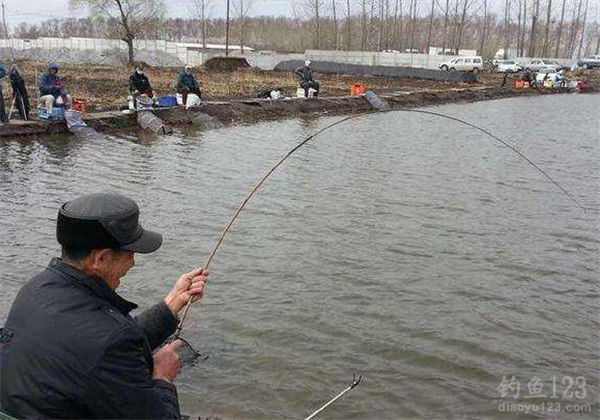
Okay, let’s be real—winter feels like it drags on forever, right? When that first hint of spring hits, I’m already digging my rods out of the garage, counting down the days to hit the rivers. I used to be a total pond guy, but these days? Wild rivers are my jam. There’s nothing like hooking into a monster that’s been chowing down in the current—way more fun than those stocked pond fish. But here’s the thing: spring river fishing isn’t just “cast and hope.” The water’s still chilly, the fish are finicky, and if you don’t get your bait right? You’ll be sitting there staring at a still float all day. Let’s break down what actually works, based on my own messy, trial-and-error days on the water.

First Stop: Pick the Right Spot (Because Bait Won’t Matter If You’re Fishing in the Wrong Place)
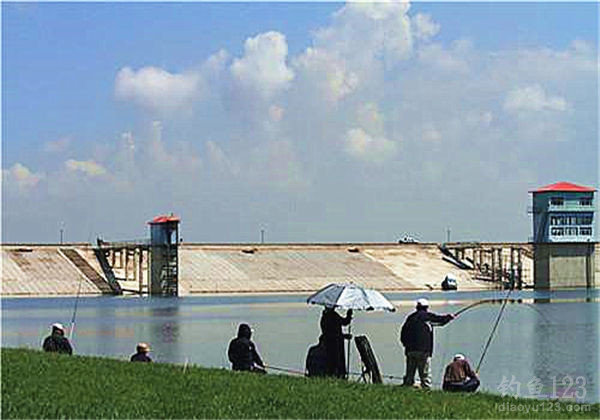
Before we even talk about bait, let’s get one thing straight: your spot is make-or-break. Spring rivers are tricky—water’s cold, currents shift, and fish are hiding where it’s warm and safe. I’ve wasted hours fishing in fast current because I was too lazy to walk 100 yards to a calmer spot. Don’t be me.
Sun, Currents, and Cover: The Trifecta of Spring River Spots
Here’s what I look for, every single time:
- Sun-facing banks (northwest in the northern hemisphere): Water warms up faster here—fish love it. I once caught 12 bass in 2 hours on a northwest bank that got morning sun, while my buddy (fishing the shaded side) caught zilch. Nada. Zero.
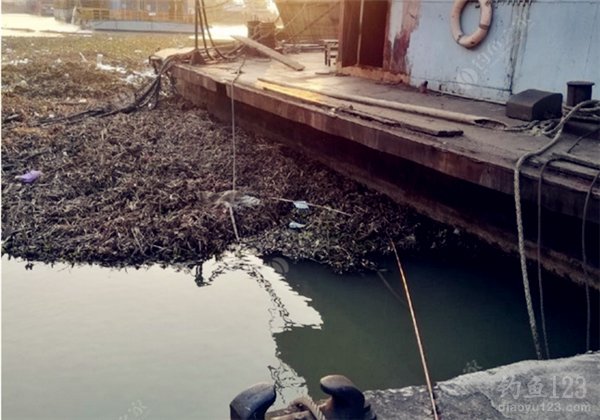
- Slow current or eddies: Fast water is too much for spring fish—they’re still recovering from winter. Look for eddies (those calm spots behind rocks or bridges) or shallow bays where the current slows down. I’ve had insane luck in eddies near boat docks—fish hang there to rest and grab food floating by.
- Cover (but not too much): Fish need hiding spots, but too much junk on the bottom means you’ll lose 10 rigs before you catch one. I target areas with:
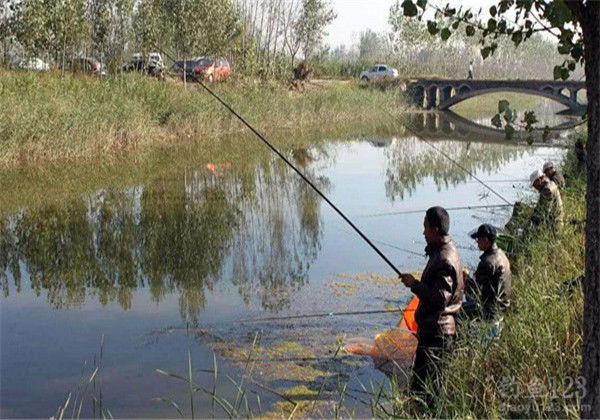
- Bridges (the shadow is perfect, and fish love hanging under them)
- Lightly weeded areas (not thick mats—just enough to hide)
- Rocks that break the current (but not a jumble of rocks that’ll snag your line)
Pro Move: Scout the Bottom First
Here’s a tip I learned the hard way: always check the bottom before you set up. Rivers have hidden snags—logs, old tires, whatever. I’ll tie a heavy sinker to my line and drag it along the bottom for 10 minutes before I even put a hook on. If it snags 3 times? Move. I once lost a $20 hook set in a log because I skipped this step. Never again.
Bait 101: What Actually Works (And What’s a Waste of Money)
Spring fish are cold—their metabolism is slow, so they want food that’s easy to catch and high in protein. Forget those fancy artificial lures that look like neon rainbows. We’re talking simple, stinky, or wiggly. Let’s break it down.
Live Bait: The Undisputed King (But You Have to Use It Right)
Live bait is non-negotiable for spring river fishing. But here’s the catch: if you just toss a worm in fast water? It’ll be gone in 2 seconds. I’ve tried everything—worms, minnows, crickets. Here’s what sticks:
Red Worms (But “Meat Wrap” Them)
Red worms are classic, but in current? They get ripped off the hook. My go-to hack is “meat wrap” (or “worm and dough” if you want a fancy name). Here’s how I do it:
- Take a small ball of cheap white bread (or store-bought dough bait)
- Push a red worm through the center—leave a little tail hanging out
- Wrap the dough around the worm so it’s covered (but the tail wiggles)
This works because the dough sticks to the hook, and the wiggling tail drives fish crazy. I once caught 8 smallmouth bass in an hour with this—my buddy was using plain worms and caught nothing. Suckers.
Maggots (Yes, Maggots—Don’t Be a Baby)
Maggots are gross, but fish love them. Especially for panfish (bluegill, crappie) and small trout. I’ll thread 3-4 maggots on a small hook—they wiggle like crazy, and the current doesn’t wash them away. Pro tip: keep them in a container with a little cornmeal—they stay fresh longer. Just don’t leave them in your car in the sun. Trust me.
Artificial Bait: When Live Bait Isn’t an Option
Sometimes you can’t find live bait (or you’re too lazy to dig for worms). Here’s what works:
- PowerBait (but only the smelly stuff): The neon colors don’t matter—fish care about the scent. I use the garlic or shrimp flavors. Mold a small ball around a hook—just enough to cover it. It sticks better than plain dough.
- Small Jigs (1/16 to 1/32 ounce): For trout or bass, a small jig with a rubber tail works. Keep it slow—jig it up and down every 10 seconds. The slow movement mimics a dying minnow.
The Big Mistake: Forgetting to Add Weight
Rivers have current—if your bait isn’t on the bottom, fish won’t see it. I use a split shot sinker 6-12 inches above my hook. How much? Start with a small one (size 4) and add more if your bait drifts too fast. I once used a sinker that was too light—my bait was floating 2 feet above the bottom, and I caught nothing. Duh.
Chumming (Yes, Even in Rivers—You Just Have to Do It Right)
Here’s a hot take: most people think chumming rivers is useless because the current washes it away. They’re wrong. I chum every time, and it makes a huge difference. Here’s how:
What to Use for Chum
Skip the fancy chum blocks—they’re too expensive. I make my own:
- 1 part bread crumbs (stale bread works best)
- 1 part cornmeal
- A handful of dog food (yes, dog food—fish love it)
- A splash of vanilla extract (the scent draws fish in)
Mix it with water until it’s the consistency of mud. It sinks fast and sticks to the bottom. I once chummed a spot and 10 minutes later, I had a 5-pound catfish on the line. Game. Changer.
How to Chum Without Wasting It
Don’t just toss a handful in the current—you’re wasting money. Here’s my method:
- Find a spot with slow current (eddie or bay)
- Toss 2-3 small balls of chum (tennis ball size) right where you want to fish
- Every 30 minutes, toss a small handful (baseball size) to keep the scent going
Pro tip: Chum 10-15 minutes before you start fishing. It gives the fish time to find the spot.
Pro Tips to Catch More Fish (That No One Tells You)
Okay, let’s get to the good stuff—my secret tricks that have made me the “lucky” guy at the river.
1. Slow Down
Spring fish are lazy. They don’t want to chase fast-moving bait. I cast my line, let it sit for 10 seconds, then slowly reel it in 6 inches. Repeat. I once caught a 3-pound bass by moving my bait so slow, I thought I was doing nothing. Patience pays off.
2. Change Bait Every 15 Minutes
Fish get bored. If you’re using the same worm for 30 minutes, it’s dead and doesn’t wiggle. I swap my bait out every 15 minutes—even if it looks fine. I’ve had more bites after switching to a fresh worm than I can count.
3. Watch the Water
Don’t just stare at your float—look at the water. If you see small ripples (fish feeding), cast right there. I once saw a school of bluegill feeding near the surface—cast a maggot there, and caught 5 in 5 minutes. Easy.
4. Don’t Be Afraid to Move
If you’re not getting bites in 30 minutes? Move. I once sat in the same spot for 2 hours and caught nothing. Walked 50 yards to a new eddie, and caught 6 fish in 45 minutes. Don’t be stubborn—fish move, so you should too.
Alright, that’s all my spring river fishing bait secrets. I’ve spent years messing up, losing gear, and going home empty-handed—so these tips are battle-tested. Next time you hit the river, try the meat wrap, chum a spot, and slow down. You’ll be surprised how many more fish you catch. And hey, if you do catch a monster? Tag me—I’d love to see it. Happy fishing!