River Fishing Tips: Essential Knowledge & Methods for Success
Let me tell you—there’s nothing like river fishing. I’m a total sucker for wild angling, but these days? Finding a good spot feels like hunting for a needle in a haystack. Between the “electricians” (you know, the guys zapping fish with electricity) and netters ruining every quiet creek? Ugh. Total buzzkill. So I’ve had to level up—ditching tiny streams for big reservoirs and flowing rivers. Why rivers? Because they’re packed with monster fish and tons of species. Want bass? Catfish? Carp? Maybe even a surprise pike? Rivers have it all. Lately, I’ve been obsessed with river fishing for river fishing for crucian carp (wait, no—wait, crucian carp is a type, but in English, we usually say “crucian carp” or just “carp” for common types). Wait, actually, in the US, we might call them “golden carp” but let’s stick to “crucian carp” since that’s the target here. Anyway, river fishing isn’t just “cast and wait”—the current changes everything. You need tricks up your sleeve. Today, I’m spilling all my go-to river fishing tips, methods, and secrets so you don’t have to fumble like I did at first. Let’s dive in!

Why Rivers Are My Obsession (And Why You’ll Love Them Too)
First off—rivers are alive. The current, the way fish adapt to moving water, the hidden spots where big fish hide? It’s way more dynamic than still lakes. Plus, let’s be real: the “no-take” zones or untouched stretches? The fish here haven’t seen every bait under the sun. That means you can actually outsmart them with the right moves. But here’s the catch (pun totally intended): rivers don’t play nice. The current will yank your line, drag your bait away, and make you question your entire angling career if you don’t know what you’re doing. So let’s start with the most important part of river fishing: timing and spots.
Best Seasons for River Fishing: Spring & Fall = Game On
Forget summer midday or winter ice (unless you’re into that, but let’s be real—no). The sweet spots? Spring and fall. Why? The water temperature is just right—fish are active, feeding like crazy to bulk up (spring for spawning, fall for winter prep). The current is also less brutal than summer’s high runoff or winter’s frigid flows. I’ve had days in spring where I limited out on crucian carp before noon—total magic. Fall? Even better. The leaves are turning, the water’s clear, and big fish are cruising shallow spots to feast. Mark your calendar: spring (March-May) and fall (September-November) are non-negotiable for river fishing success.
River Fishing Spot Selection: Where the Fish Actually Hide
Okay, let’s get real: 90% of river fishing failure is bad spot choice. You can’t just cast into the middle of a fast current and hope for the best. The key? Slow water + food. Here are my top go-to spots:
- Slow Water Zones (Riffles & Pools): Look for areas where the current slows—like behind boulders, below small waterfalls, or in eddy lines (the calm water next to fast current). Fish hate fighting strong flows 24/7, so they’ll hang here to rest and ambush food.
- Sunny Spots in Deep Water: Fish are cold-blooded! They love warm water. So find deep holes (5-10 feet) that get direct sunlight. The sun heats the water, and fish will cluster here to stay comfy.
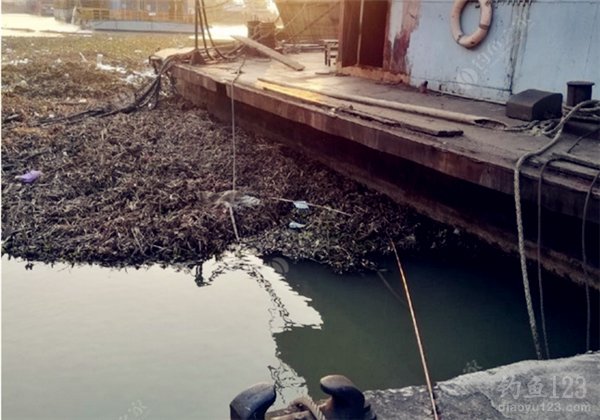
- Boat Docks & Permanent Mooring Spots: Boats leave behind scraps, bait, and even small organisms that stick to the hull. Fish know this—they’ll hang under docks like it’s a all-you-can-eat buffet. Pro tip: Cast right next to the dock posts, not in the open water nearby.
- Residential Wash Areas (But Be Respectful!): Okay, hear me out—if there’s a spot where locals wash clothes, dump kitchen scraps, or fill buckets? That’s a goldmine. All that organic matter attracts bugs, which attract fish. Just make sure you’re not trespassing or disturbing anyone. Common sense, people!
And a quick rule: avoid fast, turbulent water unless you’re targeting super strong fish (like salmon). For crucian carp or most freshwater species? Slow is your friend.
Tackle & Rigging for River Fishing: Beat the Current
Here’s the thing: river current is a bully. It will steal your bait, tangle your line, and make your float dance like a maniac. So you need tackle that fights back. Let’s break down the essentials:
Rods: Go Long (But Not Too Long)
For most river fishing, 5.4 meters (18 feet) or longer is non-negotiable. Why? Because rivers are wide, and you need to reach those far-off slow spots. But don’t go crazy—18 feet is manageable; 20+ is just a pain to cast. I use a 5.4m carbon fiber rod—light enough to feel bites, strong enough to haul in big carp. Pro tip: Match your rod to the fish size. If you’re targeting small panfish, 4.5m is fine. But for crucian carp or catfish? 5.4m+ all the way.
Line & Rigs: Ditch the Light Stuff (For Now)
Current = abrasion. Rivers have rocks, logs, and debris—so your line needs to be tough but not too thick (thick line scares fish). Here’s my setup:
- Main Line: 0.3-0.4mm monofilament (strong enough for current, thin enough to not spook fish).
- Leader/Subline: 0.2-0.25mm (shorter = better for current—10cm is perfect. Long sublines get tangled in current fast).
- Weights: Run ‘Em Heavy (For Run-Off Fishing): If the current is strong, you need to keep your bait on the bottom. I use a running sinker rig (or “slip sinker” in US terms). Here’s how it works:
- Add a sinker 2x heavier than your usual (e.g., 10g instead of 5g).
- Slide the sinker onto your main line, then add a swivel (to stop the sinker from hitting your leader).
- Tie your short leader (10cm) to the swivel, then your hook.
Wait, let’s get specific about the running sinker rig—it’s a game-changer for river fishing. The sinker slides down the line, so when a fish bites, it doesn’t feel the weight (well, not as much). That means more bites! I’ve caught 3x more crucian carp using this rig than any other. Trust me.
Floats: Fast Sink = Less Drift
Floats in rivers? You need one that sinks fast to beat the current. Look for long-bodied, short-stem floats (like a “stick float” but with a longer body). They cut through the water quickly, so your bait hits the bottom before the current drags it away. My go-to? A float with a 1.5g or less weight capacity. Too heavy, and it’s hard to cast; too light, and it drifts too much.
Baits & Lures: Stay Sticky, Stay Put
Current washes away light baits—so you need something that sticks. For crucian carp (my main target), I use:
- Crucian Carp Bait: A soft, sticky dough bait. Mix flour, cornmeal, and a little honey—then add gluten or bread crumbs to make it extra sticky. The key? Make it just big enough to cover the hook (size 6-8). Too big, and fish can’t bite; too small, and current washes it away.
- Alternative Baits: If dough isn’t working, try:
- Boiled corn (add a little vanilla extract—fish go crazy for it).
- Worms (thread them onto the hook so they’re tight—no loose ends).
- Maggot clusters (tie 3-4 maggots together with a little thread).
Pro tip: Avoid “fluffy” baits (like loose breadcrumbs). They dissolve in 2 seconds and feed the current, not the fish.
River Fishing Techniques: How to Actually Catch Fish
Okay, you’ve got the tackle, the spot, the bait—now what? Let’s talk how to fish in rivers. These tricks are what separate the pros from the guys going home empty-handed.
Step 1: Prebait (But Don’t Overdo It)
Rivers are big—you can’t just cast and hope fish find your bait. You need to prebait (chum) the spot 1-2 hours before fishing. Here’s what I use:
- Coarse corn (dried, not canned—adds bulk).
- Wheat (soak in water overnight to soften).
- Cornmeal mixed with sand (sand makes it heavy so it sinks fast).
Throw 2-3 handfuls into your spot. The sand makes it sink, so it doesn’t drift away. The corn and wheat attract small fish, which attract big fish (like crucian carp). Pro tip: Don’t prebait too much—you don’t want to fill the fish up before you even cast!
Step 2: Casting & Drift Control
Casting in rivers is tricky. You don’t want your bait to drift too far. Here’s my method:
- Cast upstream (above your spot) so your bait drifts down into the slow water.
- Keep your rod tip low to the water—this reduces drag from the current.
- When your float hits the spot, reel in slowly (1 turn every 2 seconds) to keep the bait from drifting too fast.
If the current is super strong, cast slightly downstream and let the bait sit. The sinker will hold it in place.
Step 3: Reading the Float (The Most Important Skill)
Fish bites in rivers are different than lakes. The current makes the float move—so you need to tell the difference between “current” and “fish.” Here’s what to look for:
- Subtle Dips: The float dips 1-2cm and stays down (not just bobbing). That’s a bite!
- Sideways Drift: The float moves sideways (not with the current). That means a fish is pulling it.
- Slow Rise: The float rises slowly (not popping up from current). That’s a fish lifting the bait.
Don’t set the hook on every bop—you’ll miss more than you catch. Wait for that definite movement. I’ve missed so many bites by being too eager—learn from my mistakes!
Step 4: Fighting Fish in Current
When you hook a fish in a river, don’t reel it in straight away. The current will pull the fish downstream, and if you fight it, you’ll break your line or lose the fish. Instead:
- Keep your rod tip up (to keep the line out of the current).
- Let the fish run with the current for 2-3 seconds (this tires it out).
- Then reel in slowly, keeping tension on the line.
For crucian carp, they’re strong—so don’t rush. Let them fight, then bring them in. I’ve had 2lb crucian carp pull my rod into the water before—embarrassing, but a lesson learned!
My Worst River Fishing Mistakes (So You Don’t Make Them)
Let’s be real—no one gets it right the first time. Here are my biggest fails, so you can avoid them:
Mistake 1: Using Too Light a Sinker
First time I fished a river, I used a 3g sinker. The current dragged my bait 10m downstream before it hit the bottom. Total waste. Now I use 10g+—problem solved.
Mistake 2: Not Prebaiting
I once fished a spot for 3 hours without prebaiting. Caught zero fish. The next day, I prebaited—caught 12 crucian carp. Duh.
Mistake 3: Using Fluffy Bait
I tried using loose breadcrumbs once. The current washed them away before they hit the water. Stick to sticky baits—trust me.
Mistake 4: Casting Too Far
I thought “farther = better.” Nope. I cast 20m out into fast water—no bites. When I cast 5m out into slow water? Bites galore. Keep it close to the bank in slow spots.
Final Thoughts: River Fishing Is All About Adaptation
Here’s the thing: river fishing isn’t about having the fanciest tackle or the most expensive bait. It’s about reading the water—knowing where the fish hide, how the current moves, and what they’re eating. I’ve had days where I used a $5 rod and caught more fish than the guy next to me with a $500 setup. Why? Because I paid attention to the river, not the price tag.
Next time you hit a river, start small: pick a slow spot, prebait, use a running sinker rig, and wait for the float to move. Don’t get frustrated if you don’t catch anything the first hour—fish are smart, and rivers take time. But when you land that first big crucian carp? It’s worth every second of waiting.
Oh, and one last thing: respect the river. Don’t litter, don’t disturb the banks, and release small fish (unless you’re keeping them for food). Rivers are our playground—let’s keep them clean for the next guy.
What’s your go-to river fishing spot? Drop a comment below—I’d love to hear! And if you try these tips, let me know how it goes. Tight lines, everyone!