When a Winter Black Pond Trip Goes From Exciting to Heartbreaking
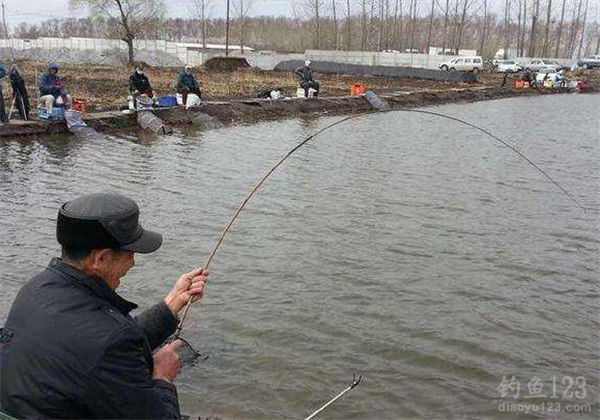
Imagine this: You’re up bright and early, hyped to head to a paid black pond (those stocked, fee-based fishing spots we all love to hate sometimes) because it’s been way too long since you reeled in a solid big fish. The weather’s a bit chilly but nothing you can’t handle, and you’ve got your go-to gear all packed. But by the end of your four-hour, 50-dollar trip? You’ve only landed a tiny grass carp and a tiddler of a crucian carp. Yeah, that’s the exact nightmare a fellow angler recently posted about on a fishing community, and I feel that pain so hard.
This poor guy showed up with a tried-and-true fishy-sweet formula lure, a 5.4m 28-action rod, 1.0 main line paired with 0.4 leader, and size 4 sleeve hooks. He chummed with grain mix and rice wine-soaked rice, and even kept up a steady casting rhythm with his lure. The temperature was 7°C—no snow, just crisp winter air. He couldn’t figure out why the fish weren’t biting, and honestly, who wouldn’t question their life choices after a day like that? If you’ve ever left a fishing spot feeling defeated, you know exactly how he’s feeling right now.

First, Let’s Set the Scene: Winter Fishing Differences by Region
Before we dive into fixing his problem, let’s take a second to acknowledge the massive gap between northern and southern anglers in winter. Up north, outdoor black ponds are frozen solid by this time of year—your only option is to fish for crucian carp or carp in heated greenhouses. But down south? They’re out there fishing open water like it’s any other season! A 7°C day might feel nippy, but it’s totally doable for open-water fishing, and us northern anglers would trade a whole tackle box for that opportunity.
At 7°C, crucian carp are still active enough to bite, but carp? Forget about it. Carp slow down hard once the water drops below 10°C, so targeting them in winter is usually a losing battle. That’s the first big clue we can give this angler: he might have been targeting the wrong species without realizing it.
Breaking Down Why the Fish Weren’t Biting
It All Starts With the Fish’s Winter Behavior
Here’s the cold hard truth (pun totally intended): when the water’s cold, fish don’t move much, and they don’t bite fast. Even if they do swim into your chummed area, they won’t start feeding right away. Their metabolism slows down, their willingness to chase food drops way off, and they’re super picky about what they’ll put in their mouths. If you’ve ever fished in winter, you know this isn’t just a myth—it’s the reality we all have to work with.
Lure and Bait Issues in Winter
The angler stuck with his go-to lure, which worked fine in warmer months, but winter calls for a total shift in bait strategy. Cold-water fish crave high-protein foods to keep their energy up, and they love live, wriggly baits far more than artificial lures right now.
- High-Protein Boost: Your artificial lure needs an extra punch of protein. Add things like silkworm chrysalis powder, fish bone meal, or shrimp powder to your mix to make it more appealing to hungry, cold fish.
- Live Bait is Your Secret Weapon: Worms, red worms, or even small shrimp will outperform most artificial lures in winter. The movement and natural scent drive fish crazy when their senses are dulled by the cold.
- Don’t Skip the Additives: A small dose of fishing attractant (the good, subtle kind, not the overpowering chemical stuff) can make all the difference. It helps your bait stand out in cold, murky water and lures fish into your area faster.
Tackle Sensitivity: Winter Demands Precision
The angler’s tackle setup wasn’t terrible, but it wasn’t optimized for winter fishing either. When fish are nibbling gently rather than striking hard, you need gear that can pick up the tiniest nibble.
- Downsize Your Line: His 0.4 leader is okay, but if you’re targeting small to medium crucian carp, you can go even thinner—0.2 or 0.3 leader paired with a 0.8 main line will make your setup way more sensitive. Thinner line is less visible to fish in cold, clear water too.
- Keep Hooks Small and Thin: Size 4 sleeve hooks are alright, but thinner, smaller hooks (size 5 or 6 sleeve hooks) are easier for cold, slow fish to suck into their mouths. Their mouths aren’t opening wide in winter, so bulky hooks are a major turn-off.
- Shorten Your Leader: A shorter leader (10-15cm) transfers bite signals way faster than a long, floppy one. When a fish takes a tiny nibble, you’ll feel it immediately instead of missing the chance to set the hook.
- Lighten Your Float: Switch to a float with a lead weight of around 1g. Lighter floats sit higher in the water, so you can spot even the most subtle dips or twitches that mean a fish is testing your bait.
Chumming and Fishing Rhythm: Winter’s All About Patience and Consistency
The angler chummed with grain mix and kept up a casting rhythm, but winter chumming needs a softer touch.
- Less Chum, More Often: Don’t dump a huge pile of chum all at once—fish can’t eat that much in winter, and it might even scare them off. Instead, use the lead weight to carry a small amount of chum with every cast, or toss a tiny handful of bait into your spot every 10-15 minutes. Keep the chum light and high-protein too, not just grain mix.
- Master the Chum and Lure Combo: Try using a lure on your upper hook and a small chunk of chum or particle bait on your lower hook. This way, you’re fishing while you’re chumming, keeping bait in the water at all times to hold fish in your area.
- Adjust Your Casting Rhythm: You don’t need to cast super fast, but you do need to be consistent. If you’re getting no bites, don’t just sit there staring at your float—recast every 5-8 minutes to refresh the bait and keep the scent spreading. But if you do get a fish to nibble, slow down and wait—remember, fish take their time in winter.
Location, Location, Location: Winter Fish Have Favorite Spots
Picking the right spot in winter is 50% of the battle. The angler didn’t mention his exact spot, but here are the places you should always prioritize:
- Near Aerators: Aerators keep the water moving and oxygen levels high, which fish love in cold, stagnant winter water. Fish will cluster around these areas to stay active.
- Sun-Soaked Banks: South-facing banks (in the northern hemisphere) get the most sunlight, so the water here warms up a little more than other spots. Even a 1°C difference can make fish way more active and willing to bite.
- Proven Old Spots: If you’ve caught fish in a spot before, go back there! Fish remember safe, food-rich areas, and they’ll return to them in winter when they’re looking for reliable meals.
A Final Word to the Frustrated Angler (And Anyone Else Feeling Defeated)
Winter black pond fishing isn’t easy—it takes patience, adaptation, and a willingness to tweak your setup when things aren’t working. That slow 50-dollar trip doesn’t mean you’re a bad angler; it just means you need to adjust your game for the cold. Next time you head out, target crucian carp instead of carp, downsize your tackle, boost your bait’s protein, and pick a sunny, high-oxygen spot.
And hey, if you still struggle? You’re not alone! We’ve all left a fishing spot scratching our heads, wondering what we did wrong. The best part of the fishing community is that we’re all here to help each other out. Drop a comment below if you’ve got your own winter black pond hacks, or if you’ve been in this exact situation and found a fix. Let’s get each other back to reeling in fish this winter!